Steam Machine Launch in Jeopardy as RAM Costs Skyrocket
Valve's highly anticipated Steam Machine console is facing significant challenges, with its release timeline and pricing under threat due to a dramatic surge in memory costs. The rapid expansion of AI datacentres has more than doubled the price of RAM, creating a supply chain crisis that could derail Valve's plans to compete with PlayStation and Xbox in the living room gaming market.
Component Shortages Impact Valve's Hardware Lineup
Originally targeting a first-quarter 2026 launch, Valve has been forced to revisit the Steam Machine's schedule and cost structure. In early February, the company acknowledged that rising memory and storage expenses were complicating production, though it initially maintained a goal for a first-half release. This optimism now appears increasingly unrealistic.
The severity of the situation is underscored by recent stock issues with the Steam Deck OLED. All variants of this handheld device sold out on Valve's US website earlier this week, a rare occurrence since its 2022 debut. A note on the product page warns of intermittent shortages in some regions due to memory and storage constraints, with even the older LCD model currently unavailable.

This supply chain strain bodes ill for the Steam Machine, which relies on similar RAM and storage components. If Valve is struggling to keep its established handheld in stock, launching a more powerful living-room console amid a turbulent memory market could prove exceptionally difficult.
Pricing and Release Strategy Under Scrutiny
Announced in November, the Steam Machine is part of a trio of new hardware from Valve, including the Steam Controller and Steam Frame VR headset, all of which have been delayed. Unlike previous attempts, this console is purpose-built for compact TV-side gaming, powered by a custom AMD chip to deliver smooth 4K performance with upscaling technology.
Valve has stated that the Steam Machine will arrive in the first half of 2026, but this has been pushed back slightly due to global component shortages driven by AI datacentre demand. The company plans to distribute it similarly to the Steam Deck, selling directly through Steam and via regional partners, potentially with a gradual, invitation-based rollout rather than a traditional global launch.
In terms of pricing, Valve initially suggested the console would be comparable to a PC with similar specs, positioned at the entry level of the PC space and in the same ballpark as other consoles. However, skyrocketing RAM prices have impacted production costs, delaying any concrete price announcements. Speculation from a Czech retailer's listings suggests models could cost around £708 for 512GB and £796 for 2TB, though these are unofficial estimates likely including mark-ups.
Technical Specifications and Design Features
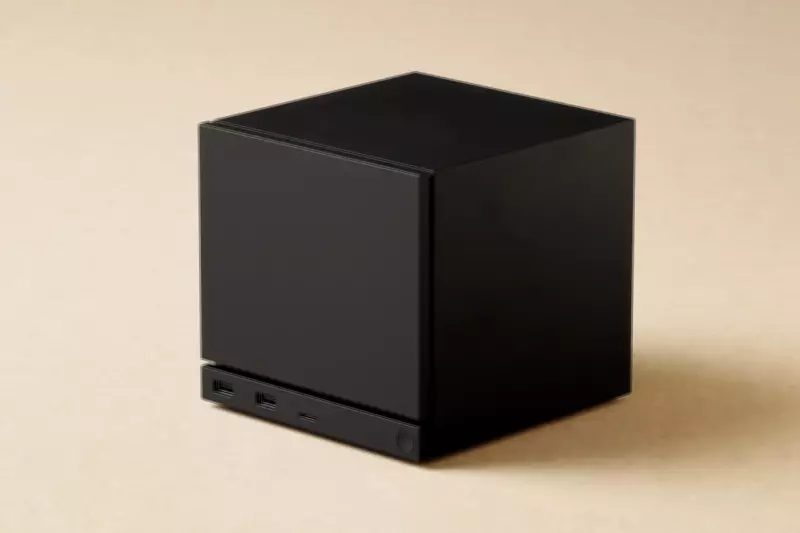
The Steam Machine is designed as a tiny living-room PC, roughly the size of a 6-inch cube, running SteamOS with features like fast suspend and resume, cloud saves, and a Steam Deck-style interface. It includes a customisable LED light strip, built-in power supply, and numerous ports such as HDMI 2.0, DisplayPort 1.4, USB-A, USB-C, and Gigabit Ethernet. Wi-Fi 6E and Bluetooth 5.3 are built in, along with a dedicated wireless receiver for the new Steam Controller.
Notably, the console won't be locked down like traditional consoles; users can install other operating systems and run third-party apps, offering PC-like flexibility. The Steam Controller features magnetic thumbsticks for responsiveness and durability, with support for motion controls via Grip Sense technology.
In terms of specs, Valve claims the Steam Machine delivers over six times the horsepower of the Steam Deck, built to run the entire Steam library, including modern AAA games. It uses a semi-custom AMD processor and graphics chip, supporting 4K gaming at 60fps through FSR upscaling. Two models will be available at launch: 512GB and 2TB versions, both with 16GB of RAM and support for microSD card storage expansion. Features like ray tracing, HDR, and variable refresh rate are included, aiming to match the performance of consoles like the PS5 or Xbox Series X.

However, compatibility may not be perfect at launch, particularly for multiplayer games with kernel-level anti-cheat software that can hinder operation on SteamOS. As the memory market crisis deepens, Valve's ambitious entry into the console arena faces an uphill battle, with fans eagerly awaiting further updates on this gaming innovation.