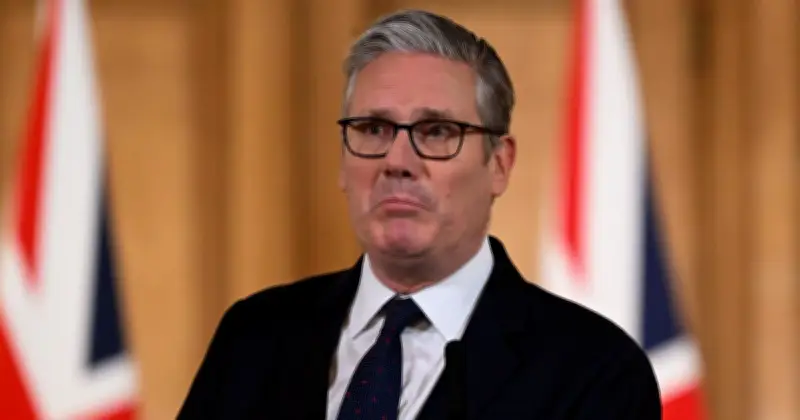
Prime Minister Sir Keir Starmer has confirmed that children under 16 will be banned from accessing social media by spring next year, as part of a drive to improve children's safety online. The announcement follows months of campaigning from parents and MPs.
Starmer's Announcement
In a speech at Downing Street, Sir Keir said he was responding to fears that social media sites were harming children's mental health and leaving them miserable. "We're giving children their childhoods back," he stated. The Prime Minister, a father of two teenagers, added that parents can see with "their own eyes" that social media "is making children unhappy."
He highlighted that social media is "making it easier for bullies to harass and abuse" children and "could even be harming their mental health – exposing them to content that is dangerous, because that's what grabs the attention."

Scope of the Ban
The ban is expected to cover platforms such as Snapchat, TikTok, YouTube, Instagram, Facebook, and X, but not messaging services like WhatsApp and Signal.
Political Reactions
Conservative Party leader Kemi Badenoch welcomed the ban but claimed that Labour had been forced into making it because of her party. She said: "If the imperfect social media ban is his legacy, I think that says a lot about the Prime Minister, and he would not even be having this ban in place if it wasn't for the Conservatives." She added that the proposal was "not perfect" and that she would work with Labour "to get it into a better place."
Emotional Response from a Bereaved Mother
Ellen Roome, whose son Jools Sweeney took his own life at age 14 in 2022, said she and other parents shed a tear when Sir Keir announced the ban. She believes her son's death could have been linked to an online challenge gone wrong. "We shouldn't be having to be in this position, but we all lost our children and campaigned to make a difference for other people's children, so it was a very powerful but important moment. So delighted to hear it," she said.
Criticism of the Ban
Critics have warned the ban is "impractical, illiberal and ultimately undesirable." Dr Christopher Snowdon of the Institute of Economic Affairs urged people to "stop judging new legislation by the good intentions of its advocates rather than its likely consequences." He added: "We know from Australia that most teenagers will get around the ban and that those who are not able to do so will suffer from social isolation." Dr Snowdon said the Government's action was "reminiscent of attempts to ban the printing press" and cautioned that tech-savvy teens would find ways around the ban.