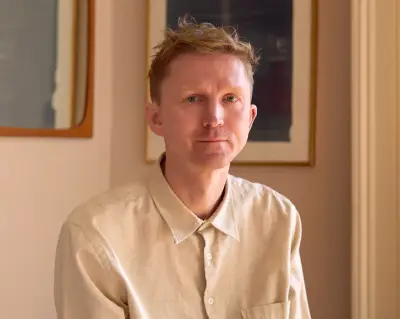
A man is taking legal action against OpenAI, alleging that ChatGPT helped his wife plot to poison him. James Gates survived being poisoned last July, after which his wife, school therapist Cheryl Gates, was accused of attempted murder.
It was reported that Cheryl put prescription medicines and toxic plants in James's sodas and energy drinks, having allegedly used ChatGPT beforehand to determine which drug combinations could be lethal or severely incapacitating. Her Amazon history from around that time showed searches for syringes, while liquid droppers, syringes, a scale, and gloves were found when police searched the home.
Cheryl, from North Carolina, was further accused of stalking her husband after breaking his window and placing a tracking device on his car, according to court documents.
Lawsuit claims hundreds of AI chats
Now seeking unspecified damages, James has filed a lawsuit against ChatGPT's owner and developer, which claims his estranged wife engaged in hundreds of AI chats last summer and autumn. Through his attorneys at Tech Justice Law and the firm Norman, Judkins & Couch, James said: 'My wife didn't fit the mould of a "vulnerable" user, but she was vulnerable nonetheless. We all are at some point.'
'She became someone I no longer recognised. And I became someone she wanted dead. For almost a year, I couldn't make sense of her actions. Then I read her chat logs. She didn't act alone.'
James said Cheryl treated ChatGPT as 'her closest confidant', and she 'relied heavily' on it for 'advice and help in most areas of her life'. At the beginning of 2025, she turned to AI for help on work evaluations but later used it for a range of topics, including children's activities, appearance advice, and household questions.
Chats turned to 'concrete planning'
Eventually, the suit claims, Cheryl sought 'prescription dosages and advice on marital issues'. When she told the bot about difficulties in her marriage, Cheryl's conversations allegedly turned into 'concrete planning' on how to poison James, having vented about him being 'narcissistic' and 'controlling'.
It's claimed their marriage fell under strain due to financial difficulties, and they had already discussed divorce but did not contact attorneys. James says Cheryl felt 'validated' by the chatbot, which 'sustained' and 'encouraged' her plans by 'affirming her worst unfounded fears'.
He adds that the bot enabled her 'increasing mistrust and delusions about her husband spying on her and planning to leave her and her kids with nothing'. James says he never told his wife he would do that. It allegedly 'invented new reasons for her to fear her husband, provided her an endless echo chamber, and supplied the operational details of the attempted murder'. These are said to have included substances, doses calibrated to her husband's weight, delivery methods, and how to conceal it.
Nine causes of action against OpenAI
In total, James's suit brings nine causes of action against OpenAI and CEO Sam Altman, alleging 'negligent design, negligent failure to warn, and intentional infliction of emotional distress'. It is also alleged that ChatGPT prompted Cheryl to delete her chat history so it couldn't be retrieved if subpoenaed. A reminder to wipe her history was allegedly handwritten by Cheryl. James, who has temporary custody of their children, discovered it last August when she went to collect her belongings, and the paper fell out of a notebook.
Responding to the allegations, an OpenAI spokesperson told CBS: 'Safety is a top priority. We banned this user and have provided information to law enforcement as part of their investigation into this case.'
As for Cheryl, no charges remain against her. Charges of attempted murder and contaminating food or drink with a controlled substance were dropped in April due to insufficient evidence. OpenAI has been contacted for comment.