Instagram and TikTok Harm Youth Mental Health More Than WhatsApp, Study Reveals
Instagram, TikTok Worse for Mental Health Than WhatsApp, Study Finds

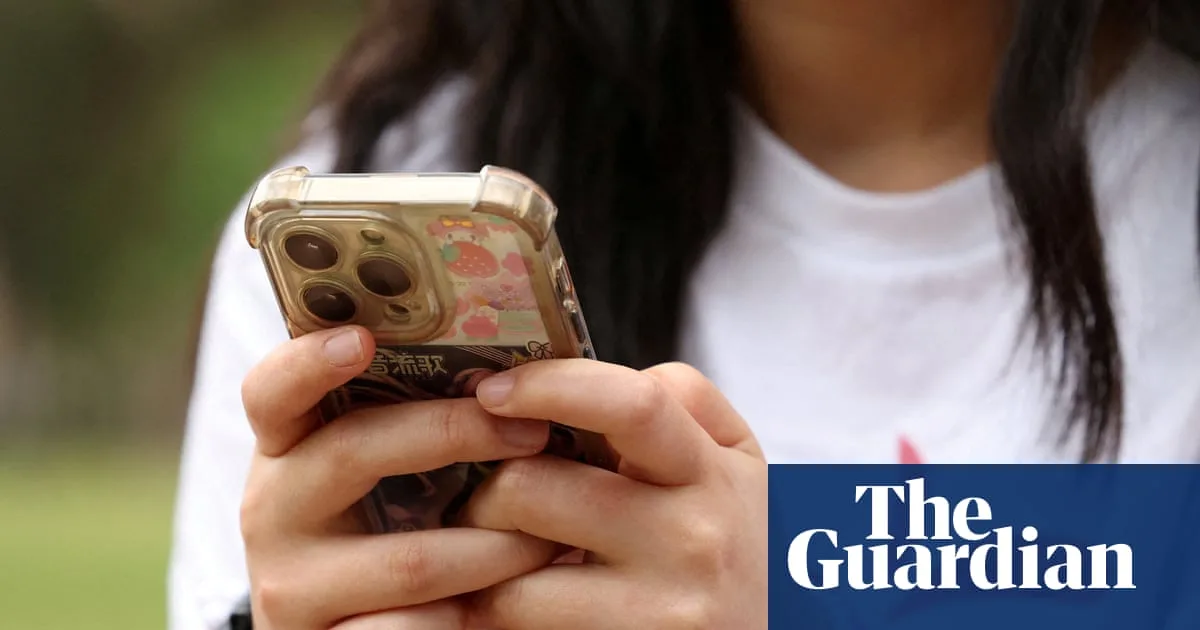
The World Happiness Report has uncovered a stark contrast in the impact of different social media platforms on the mental wellbeing of young people across the globe. According to the annual study, apps such as Instagram and TikTok, which rely heavily on algorithm-driven scrolling, are significantly more detrimental to mental health than platforms like Facebook and WhatsApp that prioritise social connection.

Excessive Social Media Use Linked to Rising Unhappiness

The report, led by the Wellbeing Research Centre at the University of Oxford, found that excessive use of social media is a key driver of unhappiness among youth worldwide. This effect is particularly pronounced in English-speaking countries and western Europe, where the negative impacts are more severe. Overall happiness levels in the UK have plummeted to their lowest point since the report's inception in 2012, highlighting a growing crisis.

Algorithm-Driven Platforms Versus Social Connection

A comprehensive study across 17 Latin American countries revealed that frequent use of WhatsApp and Facebook is associated with higher life satisfaction. In contrast, platforms like X, Instagram, and TikTok, which are dominated by algorithms and influencer content, lead to lower happiness and increased mental health problems. Another study in the Middle East and north Africa corroborated these findings, noting that passive, visual apps filled with influencer material are particularly problematic.

Wide Pickt banner — collaborative shopping lists app for Telegram, phone mockup with grocery list

Professor Jan-Emmanuel De Neve, director of the Wellbeing Research Centre and an editor of the report, emphasised the need for change. "It suggests we need to put the social back into social media, and nudge both the providers of these platforms, as well as the users, to leverage these tools for social purposes and connecting with real people," he stated.

The Goldilocks Principle of Social Media Use

Research also indicated that moderate social media use—specifically, an hour or less per day—results in higher life satisfaction compared to no use at all, excluding those without internet access. "There's a bit of a Goldilocks proposition here – not too much, not too little. Positive moderate use seems to be optimal," De Neve explained. However, he noted that the average usage time in the data is around two-and-a-half hours, far exceeding this ideal limit.

Global Implications and Policy Considerations

These findings are especially relevant in light of Australia's recent total ban on social media for under-16s, which includes platforms like Facebook, Instagram, TikTok, and X, but excludes messaging apps such as WhatsApp. De Neve cautioned against hasty decisions, saying, "This is really critical – it's the biggest test of a complete ban of social media for under-16s, and all other countries really should take note of the results and not jump the gun."

Happiness Rankings and Youth Wellbeing Disparities

The report includes a global happiness ranking, with 2026 marking the second consecutive year without any English-speaking countries in the top 10. Finland retained its position at the top for the ninth year in a row, while the UK fell to 29th place, down from 23rd the previous year. Other notable rankings include the US at 23rd, Australia at 15th, and Ireland at 13th. Countries like Costa Rica, Kosovo, Slovenia, and the Czech Republic saw significant improvements in their standings.

Youth happiness varies dramatically across regions, even in nations where social media is widely accessible. For instance, Lithuania reports much higher youth wellbeing than the US or the UK, despite similar social media usage. De Neve pointed out that broader societal issues are at play: "American youth or British youth will say things such as affordability, anxiety relating to the future of work and having jobs vanish before their eyes, also really concern them."

The study, created in collaboration with analytics company Gallup and the UN sustainable development solutions network, underscores the complex interplay between social media, mental health, and global happiness trends. As digital platforms evolve, these insights call for a balanced approach to usage and regulation to safeguard the wellbeing of younger generations.

Pickt after-article banner — collaborative shopping lists app with family illustration