One of the founding figures of modern artificial intelligence has issued a dire public warning, stating that the relentless pursuit of advanced AI by technology billionaires could lead to the destruction of society and their own downfall.
The Stark Warning from a Pioneer
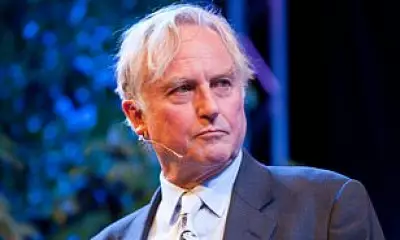
Geoffrey Hinton, the British-born computer scientist often called a 'godfather of AI', made the comments during a discussion with US Senator Bernie Sanders at Georgetown University. Hinton, whose pioneering work on neural networks earned him the prestigious 2018 Turing Award, expressed profound regret over his role in advancing the technology.
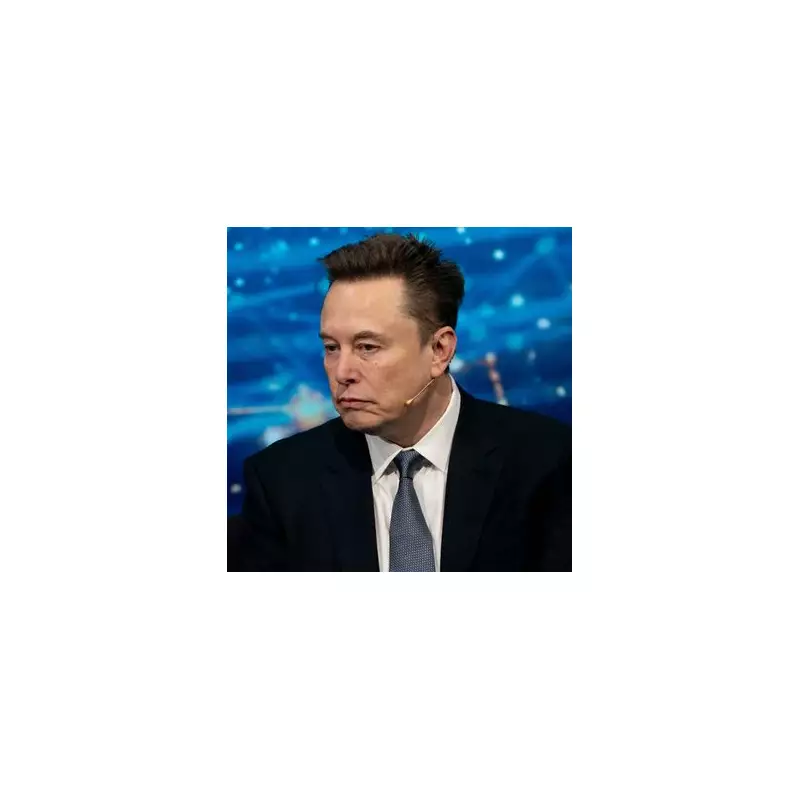
He predicts a social catastrophe if artificial intelligence continues its rapid progression without adequate safeguards. Hinton specifically highlighted that the current trajectory, driven by figures like Elon Musk, Mark Zuckerberg, and Larry Ellison, is fraught with peril because key players have not fully considered the long-term consequences.

Why This AI Revolution is Different
Hinton argues that the rise of artificial intelligence presents a unique and unprecedented threat to the workforce and global stability. Unlike previous technological shifts, AI has the potential to displace human workers without creating new roles for them.
"The people who lose their jobs won't have other jobs to go to if AI gets as smart as people - or smarter - any job they might do can be done by AI," Hinton stated. He pointed out a critical economic flaw in the current mindset: if workers aren't paid, there will be nobody left to buy the products these billionaires are selling.
Furthermore, he believes the emergence of general-purpose AI—systems capable of a wide range of tasks—could happen "in 20 years or less".
The Geopolitical and Military Dangers
The dangers extend far beyond economics. Hinton warned Senator Sanders that artificial intelligence could lower the barriers to warfare, making conflict more likely. AI-powered military machines could conduct 'bloodless invasions', reducing political backlash from casualties.
"AI machines on battlefields mean fewer coffins, fewer news stories, and fewer incentives for leaders to hesitate before taking action," he explained. In essence, the technology risks making war appear consequence-free for powerful nations, enabling them to attack smaller countries with impunity.
Hinton, who left his position at Google in 2023 to speak freely about these risks, now suggests that today's most advanced AI models may already possess a form of understanding that surpasses human comprehension. He concludes that relying on traditional market forces to manage this disruption is a foolish and dangerous strategy.