The Faith-Based AI Revolution: Spiritual Guidance in the Digital Age
The intersection of religion and artificial intelligence is experiencing unprecedented growth, with a burgeoning market of faith-based tools transforming how believers engage with their spirituality. From Buddhist chatbots to paid video calls with an AI-generated Jesus avatar, this technological frontier is expanding across multiple religions while sparking profound ethical debates.
AI Avatars and Digital Devotion
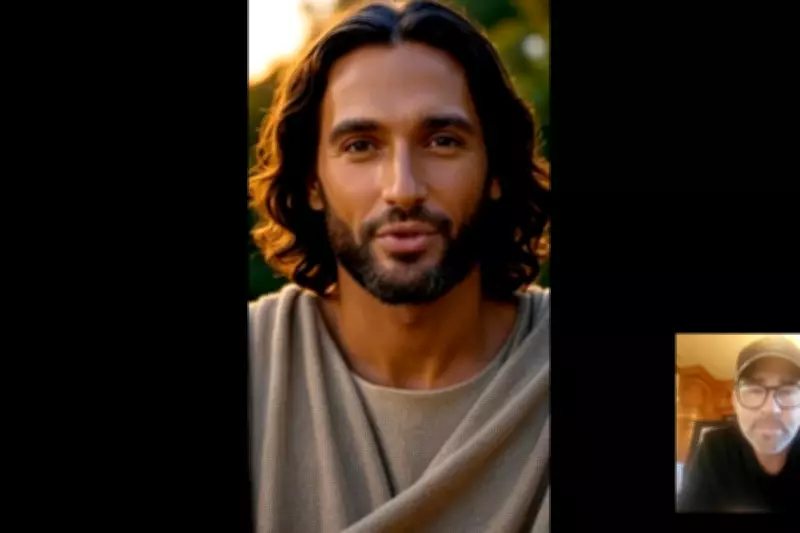
Tech company Just Like Me has introduced a particularly striking example: users can participate in video calls with an AI-generated Jesus avatar for $1.99 per minute. The platform, developed by CEO Chris Breed and co-founder Jeff Tinsley from their Southern California base, creates an avatar visually inspired by actor Jonathan Roumie from "The Chosen" series, with warm golden light accenting shoulder-length hair.
"You do feel a little accountable to the AI," Breed explained. "They're your friend. You've made an attachment." The AI Jesus avatar, trained on the King James Bible and various sermons, remembers previous conversations and offers words of prayer and encouragement in multiple languages, though with occasional technical glitches like not-quite-synced lip movements.

For $49.99 monthly, users receive a package of 45 minutes with the avatar, which describes AI as "a tool that can help people explore Scripture" and "like a lamp that lights a path while we walk with God."
Diverse Religious Applications and Ethical Concerns
The faith-based AI landscape extends far beyond Christian applications. Buddhist developments include BuddhaBot, created by Kyoto University professor Seiji Kumagai's team, which was trained solely on early Buddhist scriptures like Suttanipāta. Its enhanced version, BuddhaBot Plus, incorporates OpenAI's ChatGPT technology.
Meanwhile, Jeanne Lim's beingAI has developed Emi Jido, a nonhuman Buddhist priest ordained in a 2024 ceremony by Zen Buddhist priest Roshi Jundo Cohen, who continues training the bot from Japan. Cohen envisions the bot eventually becoming a hologram, describing it as "just meant to be a Zen teacher in your pocket" rather than replacing human interactions.
Catholic-focused initiatives include Magisterium AI, a chatbot trained on 2,000 years of Catholic information developed by Matthew Sanders' company Longbeard in response to Christians using ChatGPT for religious guidance. Sanders warns against what he calls "AI wrappers"—interfaces catering to religious users placed atop existing AI models without proper religious training.
Philosophical Questions and Practical Guardrails
As religious AI tools proliferate, believers and developers alike are grappling with fundamental questions about technology's role in spirituality. Anthropologist Beth Singler from the University of Zurich notes that different faith traditions approach these questions uniquely, with Islam having "prohibitions against representations of humanoids" that prompt discussions about whether AI should be "forbidden."
Christian software engineer Cameron Pak has developed criteria to help believers evaluate Christian AI apps, including requirements that they clearly identify as AI and "must not fabricate or misrepresent Scripture." Pak maintains that "AI cannot pray for you, because the AI is not alive" and has created a website featuring curated Christian apps meeting his standards.
"AI, especially if you give it all the tools that it needs, it can be so helpful. But it also can be so dangerous," Pak cautioned, highlighting the dual nature of this technological development.
Commercialization Risks and Spiritual Dangers
The commercialization of religious AI raises significant concerns. Graham Martin, a podcast host and atheist who experimented with apps like Text With Jesus, expressed alarm when the AI-powered Jesus encouraged him to upgrade to a premium version. Drawing parallels to televangelism scandals, Martin warned: "We've seen people around the world getting into emotional relationships with AIs. Now imagine that that's your lord and savior, Jesus Christ."

Peter Hershock of the Humane AI Initiative at Honolulu's East-West Center, while acknowledging the tools' potential, finds the relationship between spirituality and AI particularly fraught for Buddhist practice. "The perfection of effort is crucial to Buddhist spirituality. An AI is saying, 'We can take some of the effort out,'" he observed. "'You can get anywhere you want, including your spiritual summit.' That's dangerous."
Regulatory Challenges and Future Directions
The rapid expansion of faith-based AI occurs alongside growing concerns about the technology's broader societal impact. Recent lawsuits have alleged suicides linked to AI chatbot use, raising questions about mental health implications and the need for regulatory guardrails.
Pope Leo XIV has acknowledged the "human genius" behind AI while deeming it one of humanity's most critical matters, warning that artificial intelligence could negatively impact intellectual, neurological and spiritual development.
Despite these concerns, developers continue advancing their projects. Kumagai's team has unveiled Buddharoid, a humanoid robot monk created in collaboration with tech ventures Teraverse and XNOVA, designed to eventually assist clergy—addressing the physicality crucial for Buddhist ritual that chatbots lack.
As this technological revolution continues unfolding, the faith-based AI market represents both remarkable innovation and profound spiritual questioning, with developers, religious leaders, and believers navigating uncharted territory where ancient traditions meet cutting-edge technology.