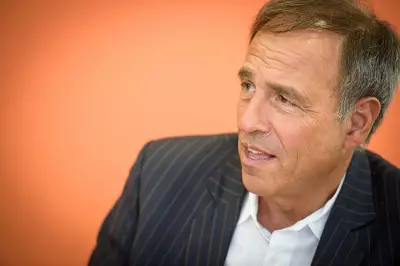
Child Actor Archie Yates Details Devastating Social Media Addiction
In a revealing exclusive interview, former child star Archie Yates has opened up about his battle with social media addiction that consumed nine hours of his daily life from the age of 13. The 17-year-old actor from Sevenoaks, Kent, known for roles in Jojo Rabbit and Home Sweet Home Alone, describes how his addiction left him feeling he was "throwing my life away" during his teenage years.
Landmark Legal Verdict Against Tech Giants
Yates' revelations come just weeks after a landmark legal decision in Los Angeles, where a 20-year-old woman known as Kayley was awarded $6 million (£4.5 million) in damages after successfully suing Meta and Google. The jury determined that the social media giants had intentionally designed addictive platforms that caused her childhood addiction.
Meta and Google have announced their intention to appeal the verdict, but the case has ignited global debate about social media's impact on young users. In the UK, the NSPCC estimates that over 2.5 million children are accessing social media despite being below the minimum age requirements.

Archie's Descent Into Addiction
"I first got a phone at high school, aged around 11, and started using social media in lockdown to connect with friends," Yates explains. "By 13, it had spiralled into a full blown addiction and I was using it for nine hours a day or more. Social media has rewired our brains. It's designed to be addictive, and I was very much addicted."
The actor describes how his addiction manifested:
- Endless YouTube video consumption and Snapchat communication with peers
- Significant weight gain due to sedentary lifestyle
- Destroyed attention span from constant doom scrolling
- Social isolation and strained family relationships
- Exposure to problematic "manosphere" content from influencers like Andrew Tate and Hamza Ahmed
"At the height of my addiction I felt dreadful," Yates admits. "I was tired from scrolling when I should have been sleeping and had zero confidence, because I didn't look like the people I was watching online. It was all about being an alpha male. I viewed myself as beta."
The Turning Point and Recovery
At age 16, Yates reached a breaking point. "I was really miserable. I told my mum I was addicted. She was so proud of me for admitting it and wanting to change," he recalls.
With his mother Julie's encouragement, Yates began replacing phone time with healthier activities:
- Going outside and socializing with friends
- Regular gym attendance
- Taking up photography
- Writing scripts for his acting career
"Once I did, it was like night and day," Yates says of his recovery. "It was like coming up for air. I stopped comparing myself to others. I felt so free. I was happy to live in my own skin. Now my friendships are better. My acting career is flourishing."
Parental Perspective and Regulatory Response
Julie Yates, 52, who works for a housing association, describes the challenges of parenting a teenager with social media addiction. "How do you police what your child watches when it's so available?" she questions. "These influencers target vulnerable children. It's so scary that these men have such power over them."
The family's experience comes as UK regulators take action. Last week, Ofcom and the Information Commissioner's Office issued a joint statement demanding that online platforms implement more effective age verification methods to prevent under-13s from accessing platforms.
Meanwhile, in the United States, parents are increasingly sending screen-addicted children to digital detox camps charging $2,000 per week, with 70% of attendees being boys.
Expert Analysis and Industry Response
Dr Emily Crosby, a Child and Educational Psychologist, explains why children are particularly vulnerable: "Children are particularly at risk of addiction, because they have not yet formed their self identity and look to outside influences to shape and form this."

A YouTube spokesperson responded to concerns, stating: "We've invested for more than a decade in building tailored products like YouTube Kids, supervised experiences and robust parental controls, in line with child development experts."
Yates, who now stars in Clout, a coming-of-age drama exploring social media's dark side, offers advice to others struggling: "Stop doomscrolling. Don't seek validation through social media. You can use it to communicate without it taking over your life."
His mother adds a crucial perspective for parents: "We need to educate children that what they're seeing on social media isn't reality. You can't just take the phone away. It is a part of life now unfortunately. It's about educating our children into the damages of scrolling constantly."