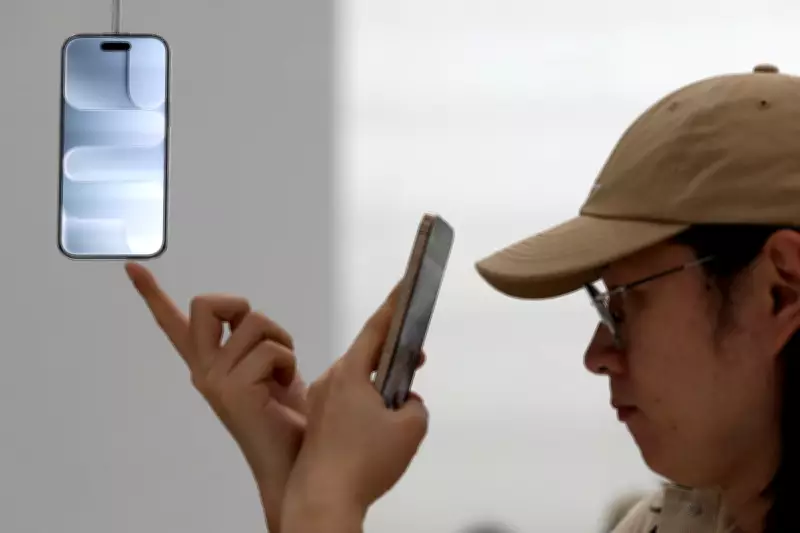
Apple Defends Controversial Liquid Glass iPhone Design Amid User Criticism
Apple is reportedly maintaining its commitment to the controversial Liquid Glass redesign for the iPhone, despite ongoing user complaints and speculation about a potential reversal. According to a new report from Bloomberg, the tech giant will not roll back the design decision introduced with iOS 26 last year.
Background on the Liquid Glass Controversy
In 2025, Apple launched iOS 26 alongside the Liquid Glass design, which significantly altered the visual appearance of the iPhone and other operating systems. The company stated that the redesign aimed to enhance content visibility and modernize the interface. However, many users expressed dissatisfaction, arguing that the design was aesthetically unappealing and reduced readability on their devices.
The criticism intensified towards the end of last year when Apple's head designer, Alan Dye, departed for Meta. His replacement by long-time Apple designer Steve Lemay fueled rumors that Apple might reconsider the Liquid Glass implementation and possibly reintroduce older design elements.

New Report Confirms Apple's Stance
Bloomberg's latest report indicates that Apple will not abandon the Liquid Glass design. Steve Lemay, who has been described as a "driving force" behind the redesign, played a key role in its development and continues to support it. This suggests that Apple is doubling down on its design philosophy rather than retreating from it.
Potential Compromise in iOS 27
While Apple is sticking with Liquid Glass, the upcoming iOS 27 update might offer users more control over the design. Bloomberg reports that iOS 27 could include a slider feature allowing users to reduce or turn off the glass effect. This would mark a significant shift, as Apple previously struggled to implement such a slider comprehensively.
In iOS 26, Apple introduced a slider to adjust the glass effect, but it was limited to the lock screen. The company faced technical challenges in integrating the slider with other menu designs. Since then, Apple has added a "reduce transparency" setting that partially mitigates the glass effect, but a full-fledged slider for the entire interface has remained elusive.
Implications for Future Design Discussions
Bloomberg's Mark Gurman, known for accurately predicting Apple updates, suggests that bringing this slider feature to the broader design, along with other improvements, could dramatically alter the conversation around Liquid Glass. This move might appease critics by offering customization options while preserving Apple's design vision.
The decision reflects Apple's broader strategy of balancing innovation with user feedback, even in the face of controversy. As iOS 27 development progresses, users will be watching closely to see if the promised slider materializes and how it impacts the overall user experience.