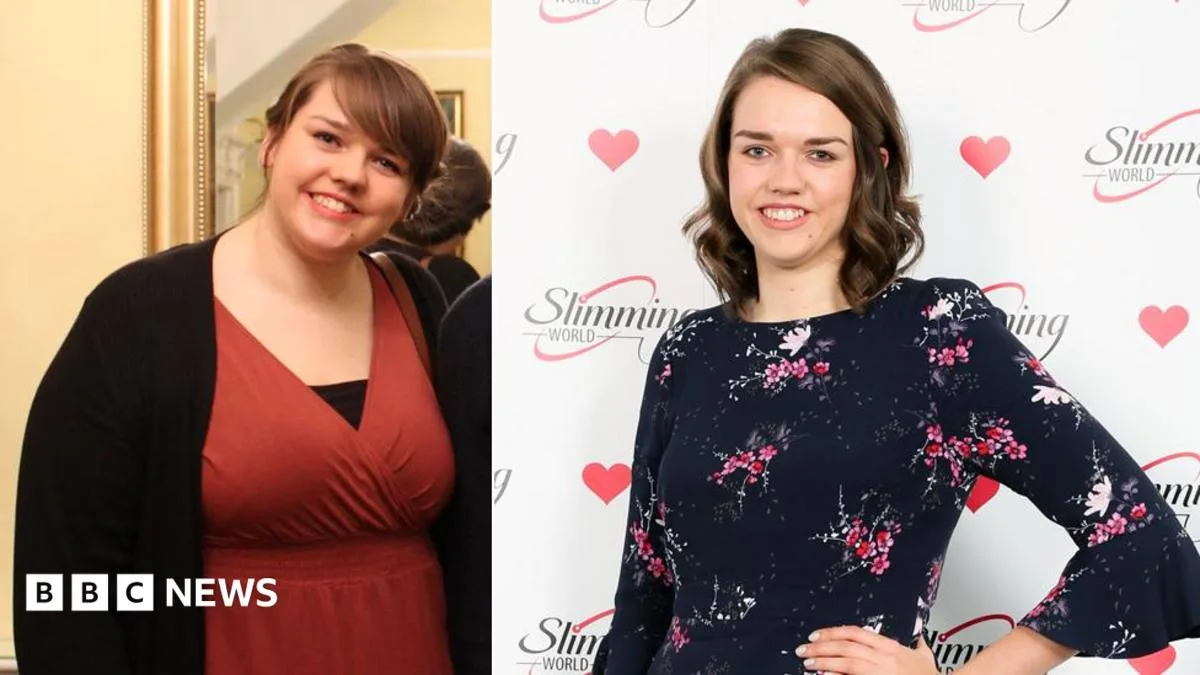
Fay Marshall, 24, lost 8st 8lbs (54kg) over two years, dropping from 21st 5lbs (136kg). She credits Slimming World, which combines private weigh-ins with group sessions on healthy cooking and weight loss challenges. Her transformation included moving from London to Lancashire, socialising more, and even skydiving. 'I've completely overhauled my life,' she said.
Britain is the sixth fattest nation globally, according to Mintel. Yet the term 'dieting' is increasingly seen as outdated or anti-feminist. Weight Watchers recently rebranded as WW, dropping 'weight' to focus on 'wellness.' Gwyneth Paltrow's Goop opened its first UK shop in Notting Hill, promoting holistic health.
Mintel research shows that diets boosting energy are now nearly as appealing as those leading to weight loss. Body positivity and hashtags like #StrongNotSkinny and #FitNotThin dominate social media. Cosmopolitan's cover featuring UK size 26 model Tess Holliday sparked debate between acceptance and concerns over encouraging obesity.
Dr Matthew Capehorn, a GP and medical director for Lighter Life, warns that wellness-focused messaging may cause people to overeat healthy foods and gain weight. 'If someone is overweight, they need to lose weight,' he said. He notes that the NHS uses 'very overweight' for clinically obese children, which can lead to awkward conversations with parents.
NHS dietitian Helen Barrett advocates reframing weight loss goals. She focuses on what patients want to achieve, like energy to play with grandchildren. 'Weight is connected, but it's not the primary driver,' she said. She emphasises mental wellbeing, noting that 'losing weight won't make someone happy.'