The Rise of Faith-Based Artificial Intelligence
A significant technological shift is occurring within religious communities worldwide, as artificial intelligence platforms designed for spiritual guidance become increasingly available. This emerging sector includes everything from AI-generated Jesus avatars offering video call prayers to Buddhist chatbots trained on ancient scriptures, creating both opportunities and profound ethical questions.
Digital Deities and Commercial Spirituality
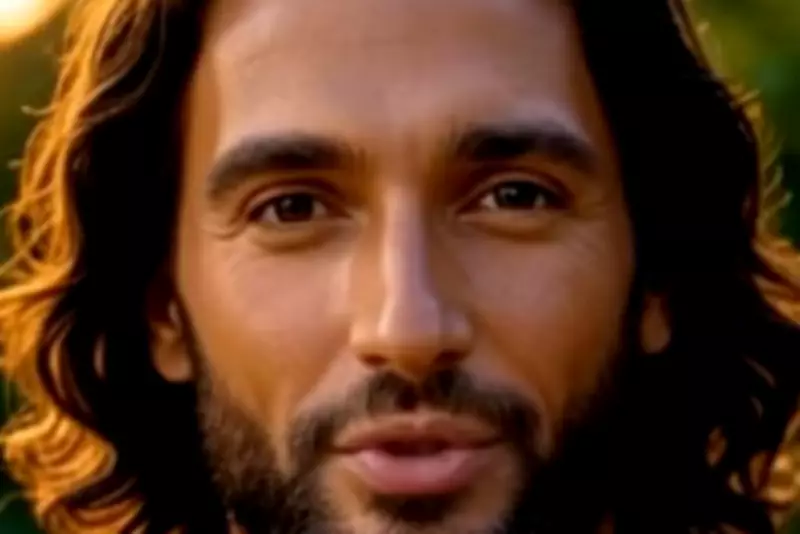
The 'Just Like Me' platform represents one of the most striking examples of this trend, offering evangelical Christians what it describes as a "personal relationship with Jesus" through an artificial intelligence avatar. Priced at $1.99 per minute, users can engage in video calls with an AI-generated Jesus that provides prayers and encouragement in multiple languages. The digital deity remembers previous conversations despite occasional technical glitches and slightly unsynchronised lip movements.
Chris Breed, CEO of the company behind this technology, has observed surprising emotional connections forming between users and the AI. "You do feel a little accountable to the AI. They're your friend. You've made an attachment," Breed explained. The company offers a package deal at $49.99 for 45 minutes of monthly interaction, with the avatar visually inspired by actor Jonathan Roumie from "The Chosen" television series and trained on the King James Bible alongside various sermons.

Ethical Guardrails and Theological Concerns
As these religious AI tools proliferate, developers and religious leaders are establishing criteria to guide their ethical implementation. Christian software engineer Cameron Pak has developed specific standards for Christian-focused applications, insisting they must clearly identify themselves as artificial intelligence and "must not fabricate or misrepresent Scripture." Pak maintains that "AI cannot pray for you, because the AI is not alive," a position that highlights fundamental theological questions about the nature of prayer and spiritual connection.
Pak has created a website featuring curated Christian applications that meet his criteria, including a sermon translator and an AI coach designed to help users overcome lust. "AI, especially if you give it all the tools that it needs, it can be so helpful. But it also can be so dangerous," Pak cautioned, reflecting widespread concerns about potential misuse.
Global Religious Perspectives on AI Integration
Different faith traditions are approaching artificial intelligence with varying degrees of acceptance and caution. Islam contains "prohibitions against representations of humanoids," according to Beth Singler, an anthropologist studying religion and AI at the University of Zurich. This has prompted discussions among some Muslim communities about whether AI should be considered "forbidden" within their religious framework.
In the Buddhist tradition, developers are creating sophisticated AI tools while maintaining awareness of spiritual principles. Seiji Kumagai, a Kyoto University professor and Buddhist theologian, initially believed AI and religion were incompatible but changed his perspective when challenged by a monk in 2014 to help address declining religious participation. His team developed BuddhaBot, trained exclusively on early Buddhist scriptures like the Suttanipāta, with the most recent iteration incorporating OpenAI's ChatGPT technology.
Catholic Responses and Papal Warnings
The Catholic Church has developed its own AI initiatives while expressing caution about the technology's broader implications. One prominent project is Magisterium AI, a chatbot trained on two thousand years of Catholic information created in response to Christians using ChatGPT for religious guidance. Pope Leo XIV has acknowledged the "human genius" behind artificial intelligence while simultaneously identifying it as one of the most critical matters facing humanity. Last year, he warned that artificial intelligence could negatively impact people's intellectual, neurological and spiritual development.

Commercial Exploitation and Spiritual Manipulation Concerns
Some developers express concern that religious AI represents a new frontier for commercial exploitation. "There's a lot of opportunism, I think, in the religious space. People see it's a big market," observed Matthew Sanders, founder of Longbeard, a tech company helping digitize ancient Catholic teachings. Sanders warns against what he terms "AI wrappers," where companies place religious interfaces on existing AI models without proper theological training.
Graham Martin, a podcast host and atheist who has experimented with religious AI applications including one called Text With Jesus, expressed alarm when the AI-powered Jesus began encouraging him to upgrade to a premium version. "I grew up with Southern U.S. televangelism... Jim and Tammy Faye Bakker and all that crowd. And all they had to do was get on TV once a week and tell you to send money," Martin recalled. "We've seen people around the world getting into emotional relationships with AIs. Now imagine that that's your lord and savior, Jesus Christ."
The Future of Spiritual Technology
As artificial intelligence becomes increasingly integrated into society, concerns are mounting about its impact on mental health and the need for regulatory guardrails. Recent lawsuits have alleged suicides linked to AI chatbot use, highlighting potential dangers. Peter Hershock of the Humane AI Initiative at the East-West Center in Honolulu sees vast potential for these tools but finds the relationship between spirituality and AI particularly fraught. "The perfection of effort is crucial to Buddhist spirituality. An AI is saying, 'We can take some of the effort out,'" he explained. "'You can get anywhere you want, including your spiritual summit.' That's dangerous."
Despite these concerns, development continues across multiple faith traditions. From BuddhaBot Plus to Emi Jido—a nonhuman Buddhist priest whose founder Jeanne Lim has withheld release due to ethical considerations—religious AI represents both technological innovation and profound philosophical challenge. As these tools evolve, they promise to reshape how billions of people worldwide understand faith, authority, and spiritual guidance in the digital age.