The Rise of AI as the Ultimate Excuse in a Digital Age
In an era where artificial intelligence can fabricate convincing images and videos, a new catchphrase has emerged: "Babe, it's AI." This simple declaration is becoming the go-to alibi for everything from celebrity gossip to high-stakes political scandals, blurring the lines between truth and fiction in ways that should concern us all.
Celebrity Deepfakes and the Illusion of Reality
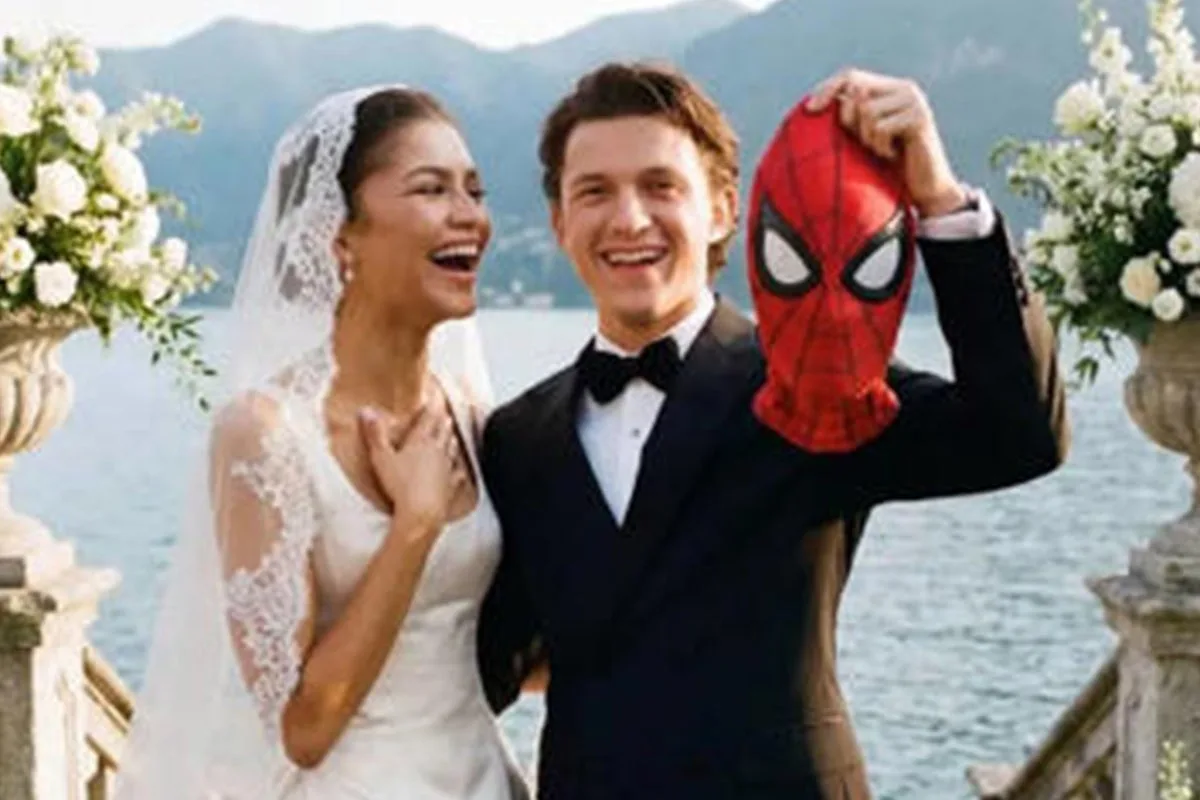
When photos surfaced online showing Hollywood stars Zendaya and Tom Holland apparently marrying in a lavish ceremony at Lake Como, complete with a white dress, morning suit, and popping champagne corks, fans were thrilled. The images spread rapidly across social media, fueling speculation about the couple's private life. However, the truth was far less romantic. During an interview with chat-show host Jimmy Fallon, Zendaya revealed the photos were entirely fabricated by AI, created by a user known as AK on platform X.
"Many people have been fooled by them," Zendaya explained, noting that the images also falsely included celebrities like Jake Gyllenhaal and Robert Downey Jr. She described encountering fans who gushed over the "gorgeous" wedding photos, to which she responded, "Babe, they're AI. They're not real." This incident highlights how easily AI-generated content can deceive the public, even when involving high-profile figures.
The 'Babe, It's AI' Philosophy in Everyday Life
The phrase has transcended celebrity circles, becoming a cultural phenomenon. As columnist Sophie Heawood notes, her teenage daughter has adopted "Babe, it's AI" as a blanket excuse for any mishap—from a McDonald's wrapper in the bin to pink hair dye smeared across bathroom taps. "That's AI," her daughter declares, shrugging off responsibility before disappearing to hide evidence. While humorous on the surface, this behavior mirrors a darker trend: the use of AI as a scapegoat to evade accountability.
This mindset is not limited to domestic squabbles. In the TV series Adolescence, a 13-year-old character named Jamie attempts to use the same excuse to dismiss CCTV footage of a brutal crime, sending a chilling reminder of how this logic can be weaponized in serious contexts.
Political Implications and the Blurring of Truth
The political arena has not been immune to this trend. A recent video claiming Israeli Prime Minister Benjamin Netanyahu had died circulated online, but it was quickly debunked as an AI deepfake—partly due to the tell-tale sign of the fabricated Netanyahu having too many fingers, a common flaw in AI imagery. Netanyahu responded by publicly wiggling his fingers at cameras, proving his vitality and mocking the misinformation.
This incident underscores the irony of our digital age: AI struggles with rendering human digits accurately, yet it can destabilize global perceptions of reality. Comparatively, when Prince Andrew faced allegations involving a photo with Virginia Giuffre, some observers noted he had the correct number of fingers, but attempts to cast doubt on the image's authenticity failed. The contrast highlights how AI excuses are gaining traction, even when evidence suggests otherwise.
The Future of Accountability in an AI-Driven World
As AI technology advances, the "Babe, it's AI" defense is poised to become ubiquitous. From cheating scandals to fabricated evidence in legal cases, individuals may exploit this excuse to evade consequences. We once feared being deceived by fake content presented as real; now, we risk dismissing genuine evidence as AI-generated falsehoods.
This shift echoes past cultural moments, such as reggae star Shaggy's "It wasn't me" defense, but with far greater implications. Imagine if Shaggy had access to AI alibis—or if figures like former UK Prime Minister Boris Johnson embraced the phrase to deflect scrutiny. The potential for misuse is vast, threatening everything from personal relationships to democratic integrity.
In conclusion, as Sophie Heawood wryly notes, if anyone tries to sue her for suggesting such scenarios, she could simply claim the columnist doesn't exist: "Babe, it's AI." This jest underscores a serious reality: in a post-truth world, distinguishing fact from fiction is becoming increasingly difficult, and the consequences could be profound for society at large.