International Fact-Checking Day: Enhancing AI Content Identification Skills
As AI-generated content proliferates across digital platforms, distinguishing fact from fiction has become increasingly challenging, especially during breaking news events. This issue is starkly illustrated by the recent Iran conflict, where misinformation has spread rapidly.
The Iran Conflict: A Case Study in AI Misinformation
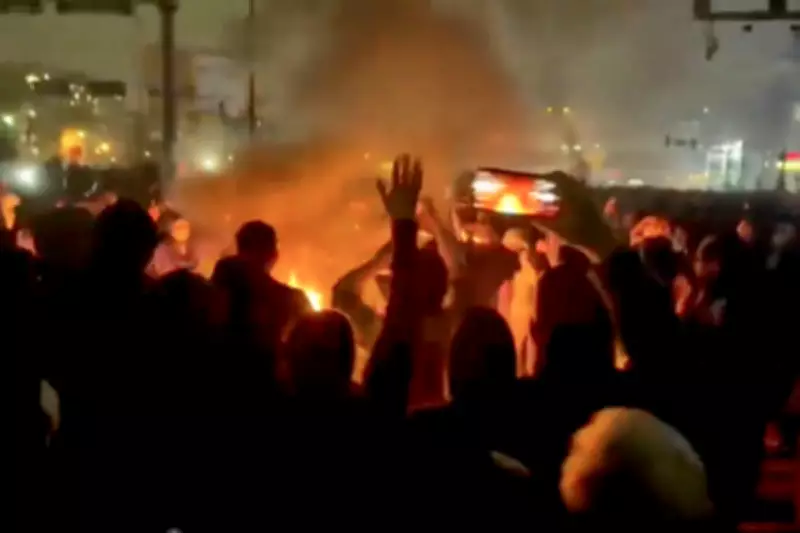
Following the U.S. and Israeli attack on Iran on February 28, researchers have documented an unprecedented surge in false and misleading AI-generated images. These have reached global audiences, including fabricated footage of non-existent bombings, images of purportedly captured soldiers, and propaganda videos from Iran depicting figures like President Donald Trump as blocky, Lego-like miniatures.
Today marks the 10th annual International Fact-Checking Day, offering a timely opportunity to examine these evolving challenges. AI-driven misinformation is being disseminated at unprecedented speeds from countless sources. From the onset of the Iran war, accounts on all sides of the conflict have promoted such content.

The Institute for Strategic Dialogue, which monitors disinformation and online extremism, has analyzed social media posts related to the Iran war. Their findings reveal a group of X accounts that regularly post AI-generated content, collectively amassing over one billion views since the conflict began. This activity involved roughly two dozen accounts, many of which were verified with blue checks.
Practical Tips for Distinguishing AI-Generated Content
In an online environment where verification grows harder, here are essential strategies to identify AI-generated content:
- Look for Visual Cues: Early AI images often had obvious flaws, such as incorrect finger counts, out-of-sync audio, nonsensical text, or distorted objects. While these clues are less common as technology advances, remain vigilant for inconsistencies like disappearing objects in videos or actions defying physics. Some images may appear overly polished or have an unnatural sheen.
- Seek Out a Source: AI-generated images are frequently shared repeatedly. To assess authenticity, hunt for their origin using reverse image searches. For videos, take a screenshot first. This can lead to accounts dedicated to AI content, older images being misrepresented, or unexpected discoveries.
- Listen to the Experts: Rely on multiple verified sources for authentication, such as fact-checks from reputable media outlets, statements from public figures, or posts from misinformation experts. These sources often have advanced techniques or access to information not available to the general public.
- Make Use of Technology: AI detection tools can be a helpful starting point, but exercise caution as they are not infallible. For instance, images generated or altered with Google's Gemini app include an invisible digital watermark called SynthID, detectable by the app. Other tools add visible watermarks, though these are often easily removed, so their absence does not guarantee authenticity.
- Slow Down: Return to basics by pausing, taking a breath, and refraining from immediately sharing unverified content. Bad actors often exploit emotional reactions and pre-existing viewpoints. Checking comments may provide clues, as other users might spot details you missed or find the original source. Ultimately, while 100% accuracy is not always possible, staying alert to the possibility of falseness is crucial.
If you encounter content that appears false or misleading, consider reporting it to fact-checking organizations. This proactive approach supports efforts to combat misinformation in the digital age.