Shares in chipmakers that underpin the artificial intelligence boom have rocketed in the first half of 2026, driving Asia Pacific stock markets sharply higher, according to an analysis by the London Stock Exchange Group.
Investors have piled into semiconductor and memory chip manufacturers, whose profits have soared during 2026, at the expense of some large software companies that have fallen out of favour this year. The share price of some chip companies has tripled or more since the start of January.
South Korea's Kospi surges 123%
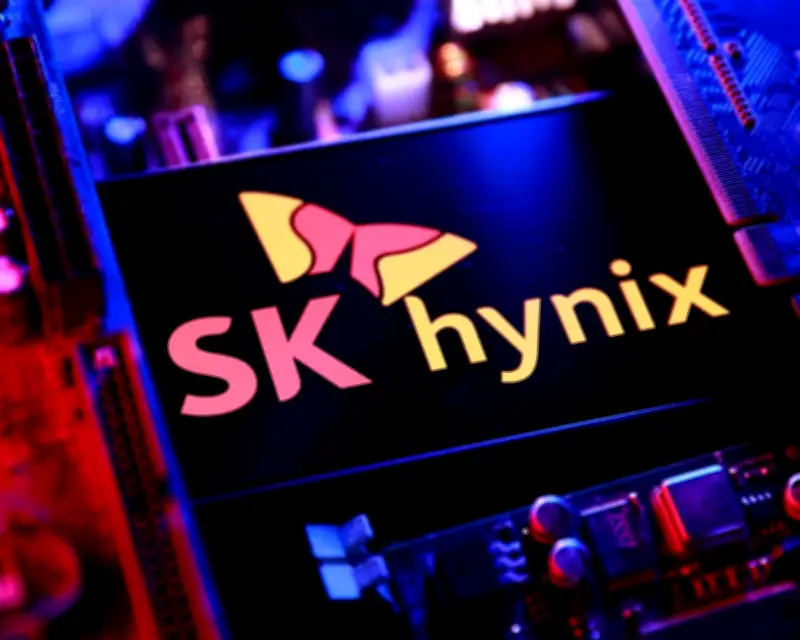
South Korea’s Kospi index is up 123% this year, its strongest first half since at least 1990, according to the analysis. This was driven by electronics group Samsung, whose share price jumped 169% so far this year, and SK Hynix, which rose 303% since the start of January. Both companies have reported a big increase in demand as AI companies compete for chips to power their datacentres.

On Monday, South Korean President Lee Jae Myung pledged to cement the country’s leadership in the industry with investments worth more than $576 billion over several years, covering semiconductors, AI datacentres and robotics. Under the plan, Samsung and SK Hynix will build a total of four fabrication plants in the country’s south-west region.
US chipmakers see massive gains
US chipmakers have also been in great demand. Shares in Sandisk are up 780% in 2026 and have rocketed by 4,510% over the last 12 months. Western Digital has gained 240% this year, while Micron is up 296% and Seagate has risen 226%, with two trading days left until the second half of the year begins.
Dan Coatsworth, head of markets at the investment platform AJ Bell, said the four US companies had produced the “kind of gains in six months you might normally expect over decades with investing”. He added: “Demand exceeding constrained supply led to a surge in memory chip prices and took suppliers’ shares on a spectacular ride upwards. Higher selling prices and greater demand is a powerful cocktail for explosive earnings growth.”
Apple blames chip costs for price rises
Apple blamed the rise in the cost of memory chips for an increase in its iPad and MacBook prices last week. The company is also reportedly asking the Trump administration for clearance to buy memory chips from CXMT, a Chinese company blacklisted by the Pentagon.
Shares in the hyperscalers, which are rolling out AI services, have fallen in recent weeks as investors shifted their holdings out of software and into hardware stocks. Microsoft is down 24% during 2026 and hit a one-year low last week. Some investors have balked at the huge spending plans announced by leading AI companies, which have led to higher borrowing and will eat up firms’ cashflow, making them more capital-intensive.
Signs of faltering boom
There have been signs in recent days that the chip stock boom is faltering, with shares falling from their recent highs as investors rotated out of tech into other sectors. Chris Beauchamp, chief market analyst at the trading and investment platform IG, said: “Having piled in to AI and tech since the end of March, there is a desire to protect profits, and investors continue to be in a mood to sell first and ask questions later.”
Broader market gains
Generally, there have been solid stock market gains over the first half of 2026. Japan’s Nikkei climbed 38%. The UK’s FTSE 100 gained 5.8%, having fallen back from a record high at the end of February as the Iran war hit share prices. The London stock market was lifted by takeover offers for several companies, including Beazley, DCC, Glencore, Schroders, Segro and Intertek.
Brent crude oil began the year at $60 a barrel and is ending June about $12 higher. However, at the end of April its price had doubled to more than $120 as the closure of the Strait of Hormuz fuelled supply shortages. The US S&P 500 share index gained 7.4% so far this year, to 7,354 points at the end of last week.

Mark Haefele, chief investment officer at UBS Global Wealth Management, predicts the US market will climb over the next year, lifting the S&P 500 to 8,200 points by June 2027. “Our base case sees continued strength in AI capital expenditure, a resilient US economy, ongoing fiscal spending around the world, and strong credit creation continuing to support corporate earnings growth and markets more broadly,” he said.