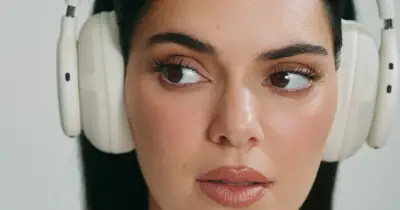
The emergence of Tilly Norwood, an AI-generated screen star created by digital studio Xicoia, has sparked concerns about the future of film. Launched in a comedy video mocking AI's soullessness, Tilly appears convincingly realistic, resembling a polished iPhone 17 compared to older tech. However, critics argue that such figures plagiarise the performances of countless real actors.
Guardian film critic Peter Bradshaw warns that the technology improves relentlessly, but also that real-world acting and writing are becoming more programmatic, lowering standards to meet AI's capabilities. He notes that this creates a seamless uncanny-valley context where AI can thrive, affecting not just female beauty standards but all on-screen aesthetics.
Bradshaw points to the recent recreation of Ian Holm's AI avatar in Alien: Romulus as evidence of a growing trend. While that attempt looked unrealistic a year ago, Tilly's creators have refined the technology. Xicoia CEO Eline Van Der Velden has defended Tilly, but Bradshaw questions the ethics of the development team, likening them to Victor Frankenstein's grave-robbing.
The critic calls for industry pushback, refusing to work with hyper-plagiarism models. He advocates for a movement akin to Dogme 95, which prioritised realism, or the Campaign for Real Ale, which resisted bland, mass-produced alternatives. Without such resistance, he warns, cinema faces a blandified future dominated by AI-generated performers.