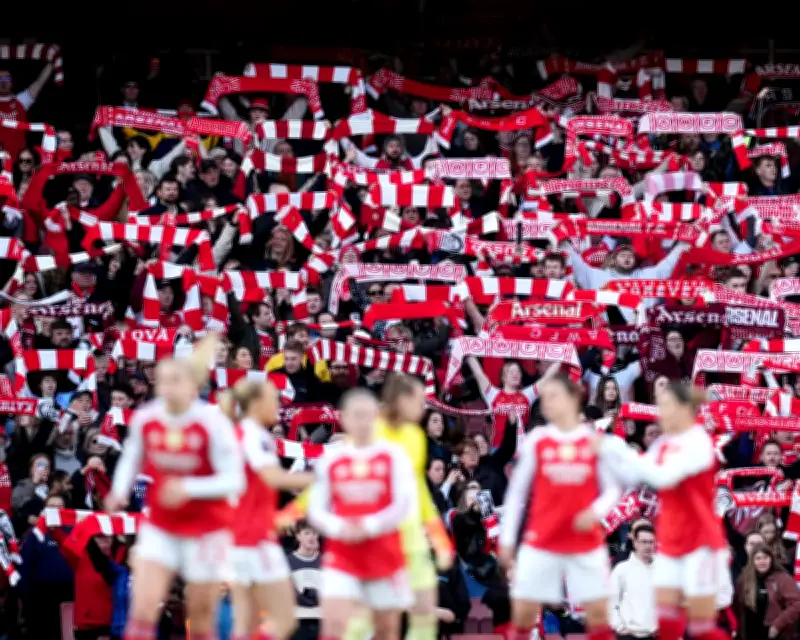
The Women's Super League (WSL) and Women's Championship will permit fans to consume alcohol in their seats from the 2026-27 season, the Football Association (FA) announced on Tuesday. The decision follows a pilot programme during the 2025-26 campaign that tested the policy across select matches.
Successful Trial Paves Way for Permanent Change
The FA's pilot scheme ran at 10 WSL and five Championship fixtures between September 2025 and May 2026. According to the FA, the trial reported no significant increase in disorder or safety incidents at the participating grounds. Data from the pilot showed that alcohol-related ejections were less than 0.1% of total attendees, a figure comparable to or lower than matches where alcohol was restricted to concourses.
Baroness Sue Campbell, the FA's director of women's football, said: "The trial's success demonstrates that our fans can enjoy a drink responsibly while watching elite women's football. We are delighted to extend this policy across both leagues."
Policy Details and Implementation
Starting in August 2026, all WSL and Championship clubs may allow alcohol consumption in seated areas, though individual clubs retain the right to opt out. The FA recommends that clubs continue to monitor behavior and may impose local restrictions if needed. The change does not affect the ban on drinking within view of the pitch in the men's Premier League, EFL, and National League, which remains in place under the Sporting Events (Control of Alcohol etc.) Act 1985. However, women's football matches are exempt from this legislation, as are rugby union and rugby league fixtures.
Clubs will be required to ensure that alcohol is served in plastic or paper containers to minimize risk of injury, and that stewarding levels are maintained. The FA also plans to issue updated guidance on responsible alcohol management before the new season.
Fan and Club Reactions
The decision has been welcomed by many supporters' groups. Emma Hayes, manager of Chelsea Women, commented: "It's a sensible move that treats women's football fans with the same trust as those attending other sports. The trial showed it works." Some clubs, however, have expressed caution. A spokesperson for Arsenal Women said the club would "review the policy carefully before implementation."
The move is expected to boost matchday atmosphere and potentially increase attendance, as fans may find the experience more relaxed. According to a survey conducted by the FA during the trial, 78% of attendees supported the change.
Context and Comparisons
The policy aligns women's football with other major UK sports, including men's and women's rugby union, rugby league, and cricket, where drinking in seats is permitted. It also reflects a broader trend toward liberalizing alcohol rules at sporting events, as seen in the United States and Australia. However, the men's professional game in England remains bound by stricter laws, a disparity that some campaigners argue is outdated.
The FA emphasized that the permanent change is contingent on continued cooperation from clubs and fans. A review will be conducted after the first full season to assess any long-term impacts on safety and crowd behavior.