Twenty years ago, Turkish carpet dealer Ömer Tosun received a call from the British Embassy: the then Prince Charles wanted to see his rugs during an official visit to Turkey. Tosun packed a van with his finest carpets and drove to the ambassador's residence in Ankara, where the Prince was staying.
For hours, they discussed Islamic art and weaving traditions. Charles chose two 19th-century indigo carpets. Weeks later, a British dealer called Tosun, saying, "Prince Charles recommended you."
From Carpets to Caves
For many, such royal approval would be a lifetime highlight. For Tosun, it was just another chapter. His greatest creation would not grace a palace floor but stand high among Cappadocia's fairy chimneys.
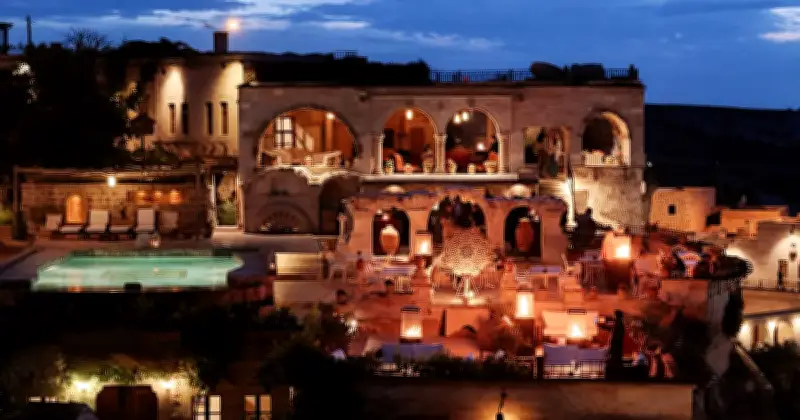
Museum Hotel, perched above one of the world's most extraordinary landscapes, transforms abandoned cave homes into a luxury experience. Carved into caves where families lived until the late 1990s, it houses nearly 600 authenticated artefacts spanning over 4,000 years.
"I never wanted to build a modern hotel," Tosun says. "I wanted people to experience Cappadocia."
Preserving History
Around 13 million years ago, volcanic eruptions shaped the region. Rain and wind sculpted the soft rock into fairy chimneys and cave dwellings, now a UNESCO World Heritage Site. In 1996, three families still lived in the caves. Tosun waited until they chose to move to modern homes, then began restoring the dwellings.
"I told the builders and architect not to change the caves," he says. "Just bring luxury into them."
Each of the 34 rooms tells a different story. Some feature private pools carved from stone, while others have ceilings marked with soot from ancient fires. Persian carpets soften stone floors, and lighting creates a monastic calm.
A Living Museum
The hotel's name is literal. Ancient Hittite pottery, Roman mosaics, Seljuk carvings, and Ottoman costumes are displayed under an agreement with the Turkish government. Unlike conventional museums, these treasures are not behind ropes; guests encounter them everywhere. Government officials regularly inspect the artefacts.
Outside, peacocks wander through lavender gardens, and tortoises roam freely. "They were here before the hotel," Tosun says. "So we let them stay."
Culinary Heritage
At Lil'a, the Michelin Key-recognised restaurant, Anatolian traditions are reimagined. Morel mushrooms from the mountains arrive in a velvety cream with Tulum cheese, and filet mignon is paired with grape molasses. Most ingredients come from the hotel's 100-acre ecological farm, which also helps preserve rare garlic and ancient wheat.
Even cocktails begin in the gardens, with estate-grown lavender and strawberries. Furkan, the bartender, explains the "farm-to-bar" philosophy, praising Tosun as a boss who "worked like us before."
Community and Legacy
Beyond the hotel, the Göreme Open-Air Museum reveals Byzantine cave churches, and underground cities shelter ancient communities. Taxi driver Haluk, who lived in a cave as a child, recalls the first television in his village: "Dallas... JR... Bobby... and Lassie."
Some hotel profits help educate local children, and Tosun is restoring a nearby village and church believed to be the birthplace of St George. He hopes King Charles might one day open it.
"What you give to society is the amount you get back from it," Tosun reflects. Long after the balloons fade, it's not the luxury that stays with you—it's the feeling of becoming part of Cappadocia's story.