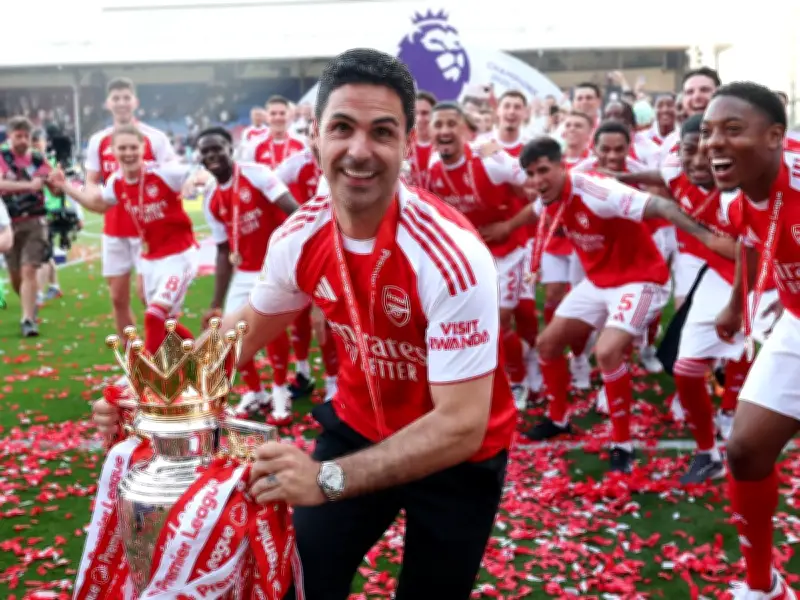
The Premier League fixtures for the highly-anticipated 2026-27 season will be released at 10am on Friday. Here is everything you need to know about how the schedule is determined.
Early Planning
The scheduling process begins at the start of the calendar year. The compiler first integrates international dates from FIFA, European club competitions, and FA Cup dates to see what remaining slots are available for league games.
Managing Local Pairs
Most clubs are assigned a specific partner team with whom they cannot clash at home on the same weekend. This scheduling constraint is primarily implemented to manage city traffic and prevent stretching local police resources too thin.

Applying Golden Rules
The fixture list is carefully structured using a specific sequencing methodology to ensure competitive fairness. Within any block of five consecutive matches, a team is restricted to a split of three home fixtures and two away, or vice versa.
Avoiding Consecutive Streaks
A team will never be forced to play more than two consecutive home or away matches throughout the season. Furthermore, the computer ensures that no club starts or finishes the campaign with two consecutive home or away games.
Distributing Holiday Games
Festive fixtures are tightly linked to balance travel and stadium requirements over the Christmas period. If a club is assigned a home match on Boxing Day, they are automatically scheduled to play away on New Year’s Day.
Gathering Club Requests
Every March, the Premier League distributes a questionnaire to all participating clubs to collect specific scheduling feedback. Teams can request certain dates to avoid being at home, usually decided in conjunction with local police forces.
Randomising the Matrix
Once the league's final membership is confirmed after the Championship play-off final, teams are placed into a pairing grid. The fixture computer then randomly mixes the teams to determine the exact matches while maintaining all pre-defined rules.
Reviewing the Draft
A dedicated working party consisting of league officials, club representatives, and transport police checks the final schedule draft. Moving just one problematic match can create a massive domino effect that requires altering up to 40 other fixtures.