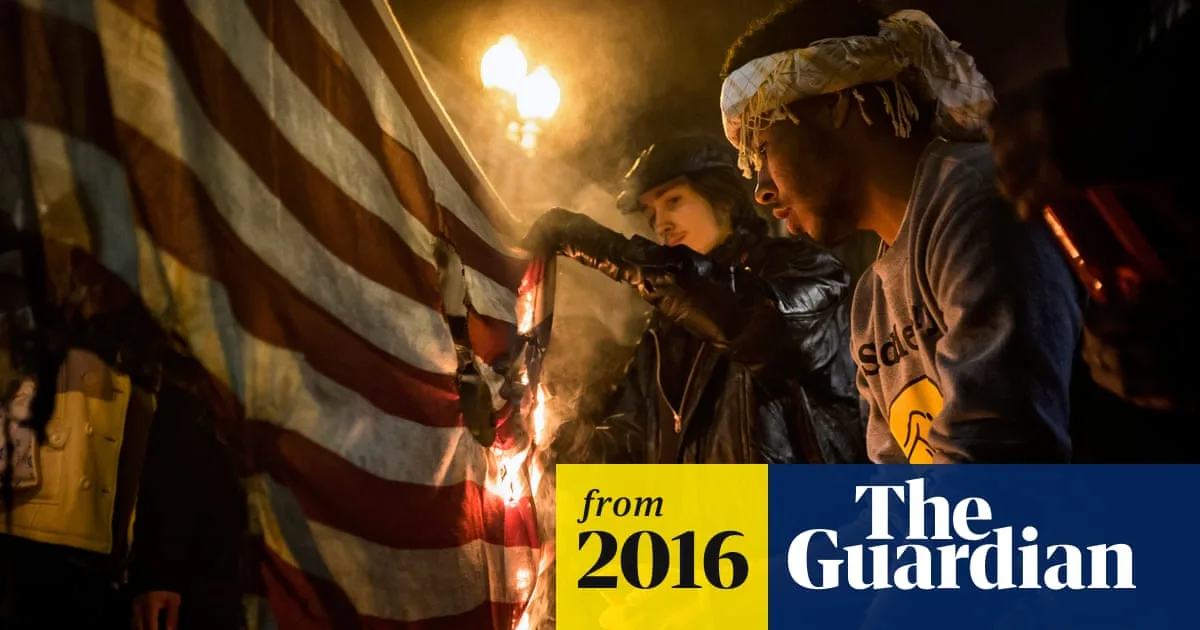
Donald Trump has sparked controversy by tweeting that anyone who burns the American flag should face consequences, including loss of citizenship or a year in jail. The early morning post reignites a long-standing debate over free speech and patriotism in the United States.
Flag burning has a deep history in American protest culture, from anti-war demonstrations in the 1960s to earlier acts of defiance. The US Supreme Court has upheld flag burning as protected free speech under the First Amendment in landmark rulings in 1989 and 1990, a position supported by the late Justice Antonin Scalia.
Critics argue that Trump's tweet is more about provocation than policy, tapping into cultural divisions. While many countries impose penalties for burning their own flag, the US Constitution's free speech protections make such bans difficult to enforce.
The first recorded American flag burnings occurred before the Civil War, when Southerners protested against Abraham Lincoln. After the Union victory, the stars and stripes became a revered national symbol, making its desecration a powerful act of dissent.