Rugby's TV Revolution: Streaming Giants Challenge Traditional Broadcasters
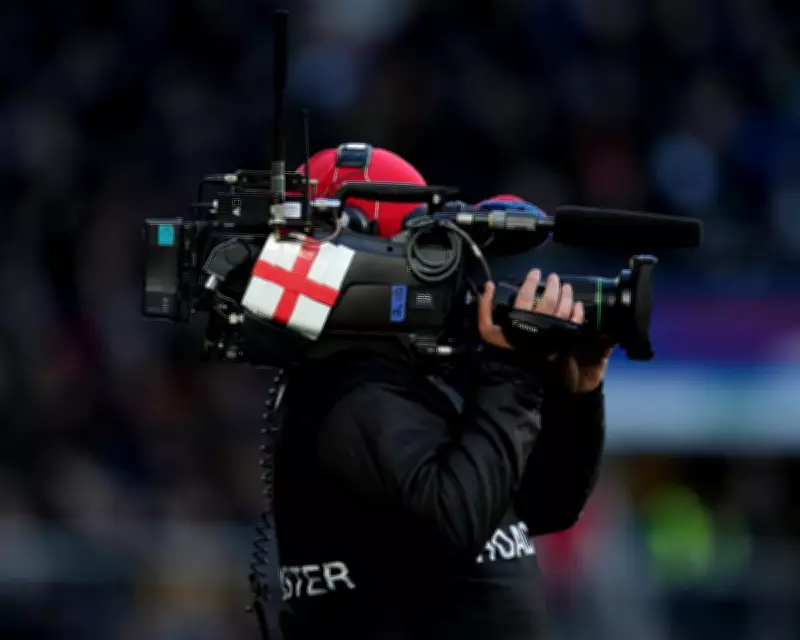
The way audiences consume rugby on television is undergoing a profound transformation. With satellite channels facing uncertainty and free-to-air networks evolving, the emergence of streaming platforms like Netflix and Amazon Prime is reshaping the sports broadcasting market. This shift places established players such as TNT Sports under significant pressure to retain their subscriber bases in an increasingly competitive environment.
The Rise of Streaming in Sports Broadcasting
Netflix and Amazon, once known primarily for entertainment, have become formidable forces in sports broadcasting globally. Their entry has disrupted traditional models, compelling networks to reassess strategies. For instance, during a recent off-season, one fan managed to access live rugby union, football, cricket, NFL, and NBA content through free-to-air networks and subscriptions to Premier Sports, Prime Video, and Netflix—all at a cost lower than a standard Sky Sports or TNT subscription. This highlights how increased competition among broadcasters could benefit viewers of both rugby league and union.
ITV's Strategic Moves and TNT's Response
ITV has significantly bolstered its rugby union coverage by acquiring rights to 10 Six Nations matches, with the remaining five on BBC, and the new Nations Championship featuring the world's top 12 teams. This move came as a surprise, as TNT, which previously aired autumn internationals, was expected to secure the Nations Championship rights. In response, TNT reported a 35% growth in Premiership audiences earlier this season, leading to a deal increase from £33 million to £40 million annually to secure Premiership games for five years. However, with losses including the Champions League to Paramount and European club competitions to Premier Sports, TNT has acknowledged the need to reduce subscription fees to remain competitive.

Rugby League's Broadcasting Future
The Rugby Football League aims to balance free-to-air, subscription TV, and streaming rights to enhance broadcast revenues. While Sky has been a loyal partner since the Super League's inception 30 years ago, viewing figures surged by 52% in 2025, prompting negotiations for the next rights deal. The BBC currently shows 15 games per season, and a third party like DAZN, which holds NRL rights, is creating what RL Commercial chief Nigel Wood describes as "a competitive market." Sky subscribers enjoy comprehensive coverage, including every Super League match, NRL games, State of Origin, and internationals. RL Commercial hopes to secure a marginal increase from Sky's £21 million annual payment, with potential deals involving the BBC and DAZN aiming for closer to £30 million yearly.
Cost Comparisons and Viewer Accessibility
British rugby league fans currently spend around £500 annually, but costs may rise to approximately £700 next season, similar to union fans who pay for two subscriptions and the BBC licence fee. This remains reasonable compared to Premier League fans facing up to £1,000 for Champions League matches, contributing to the prevalence of illegal streaming devices. The NFL's strategy of selling games to multiple broadcasters has proven successful, with each game generating nearly $50 million in global TV revenue—surpassing combined deals for Super League and Premiership Rugby last year.
Terrestrial Channels' Scheduling Challenges
Terrestrial broadcasters like the BBC and ITV face criticism for sporadic scheduling. For example, the BBC's first five Super League games this season were spread across different days and channels over 11 weeks, with key matches like Castleford v Wigan hidden on iPlayer and competing against Six Nations coverage. Similarly, ITV's seven live Premiership games suffer from inconsistent timing, missing opportunities to attract young viewers without satellite sports channels. In contrast, NFL coverage on free-to-air in the UK benefits from consistent Sunday slots, outperforming club rugby union and league combined.

Premier Sports' Role and Challenges
Premier Sports secured European club rugby union competitions for £6 million annually, positioning itself as the "Home of Rugby" with extensive coverage including the United Rugby Championship and French Top 14. However, the business reported losses exceeding €4 million last year, and its subscriber base is a fraction of TNT's 4.3 million or Sky's 6.4 million. While all-Irish URC matches attract six-figure audiences, early Champions Cup games with British or Irish teams drew only around 25,000 viewers, highlighting the need for broader reach.
Potential Game-Changers: Netflix and Prime
Streaming giants Netflix and Amazon Prime aim to capture sports viewers with targeted offerings. Prime's NBA audiences last year quadrupled those of TNT, and its Champions League football consistently reaches five million viewers in Europe by focusing on key matches. A Prime spokesperson emphasized the value of family-friendly packages, where sports content is part of a broader entertainment menu. Events like the NRL's State of Origin series, which dominates Australian TV ratings, could entice Netflix or Prime to invest in rugby league, leveraging their massive subscriber bases to expand the sport's global audience.
The Future of Rugby Broadcasting
As appointment viewing shifts towards live sport and reality TV finales, social gatherings for big games may persist. Younger audiences consuming clips on mobile devices are likely to evolve into traditional sports fans, but rugby must increase its presence on digital platforms to sustain growth. With Warner launching HBO Max in the UK and Ireland, further competition is anticipated, potentially consolidating TNT Sports content and reshaping the broadcasting landscape even more.