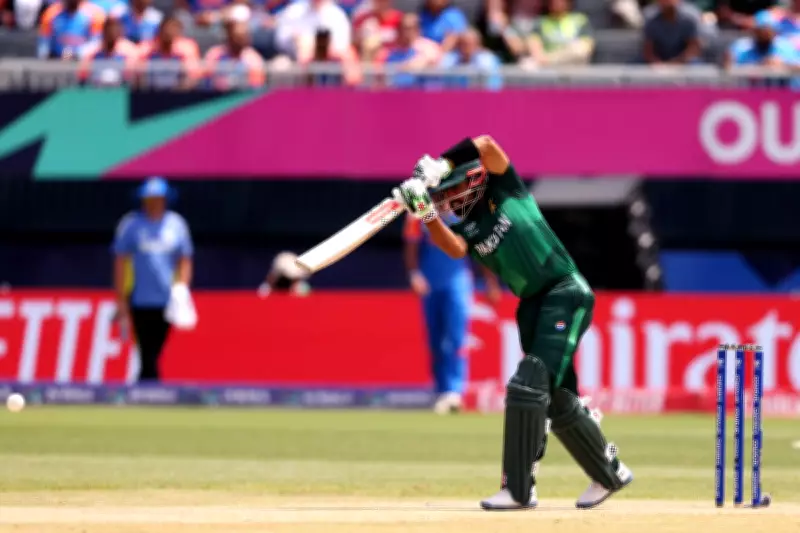
In a significant development for international cricket, Pakistan's government has given the green light for the national team to compete in the ICC T20 World Cup 2026. However, the approval comes with a major stipulation: Pakistan will not face India in any matches during the tournament. This decision underscores the ongoing geopolitical tensions between the two neighbouring nations, which have long influenced their sporting engagements.
Geopolitical Tensions Shape Tournament Dynamics
The refusal to play against India is rooted in Pakistan's longstanding policy of avoiding tours to India due to diplomatic and security concerns. As a direct consequence of this stance, all of Pakistan's Group A fixtures in the 2026 T20 World Cup will be relocated to Sri Lanka. This move ensures that the team can participate fully in the global event while adhering to governmental directives. The International Cricket Council (ICC) has accommodated this change, highlighting the complex interplay between sports and international relations.
Bangladesh Withdraws, Scotland Steps In
In a related turn of events, Bangladesh has withdrawn from the T20 World Cup, citing safety apprehensions about travelling to India. The ICC has responded by stating that it found no credible or verifiable security threats to the Bangladesh national team in India. Despite this assurance, Bangladesh's decision stands, leading to their replacement by Scotland in the tournament lineup. This substitution adds another layer of intrigue to the competition, as Scotland prepares to make its mark on the world stage.

The squad announcement for Pakistan includes star player Babar Azam, who has been named in the 2026 T20 World Cup roster. His presence is expected to bolster the team's performance, even as they navigate the logistical and diplomatic challenges posed by the altered match schedule. The shift of matches to Sri Lanka may also impact team preparations and fan engagement, given the different conditions and travel requirements.
This situation reflects broader trends in cricket where political factors increasingly influence tournament structures and participation. It raises questions about the future of bilateral series and multi-nation events involving teams from regions with strained diplomatic ties. For now, cricket enthusiasts will watch closely as Pakistan aims for success in Sri Lanka, while Scotland seizes an unexpected opportunity in the global spotlight.