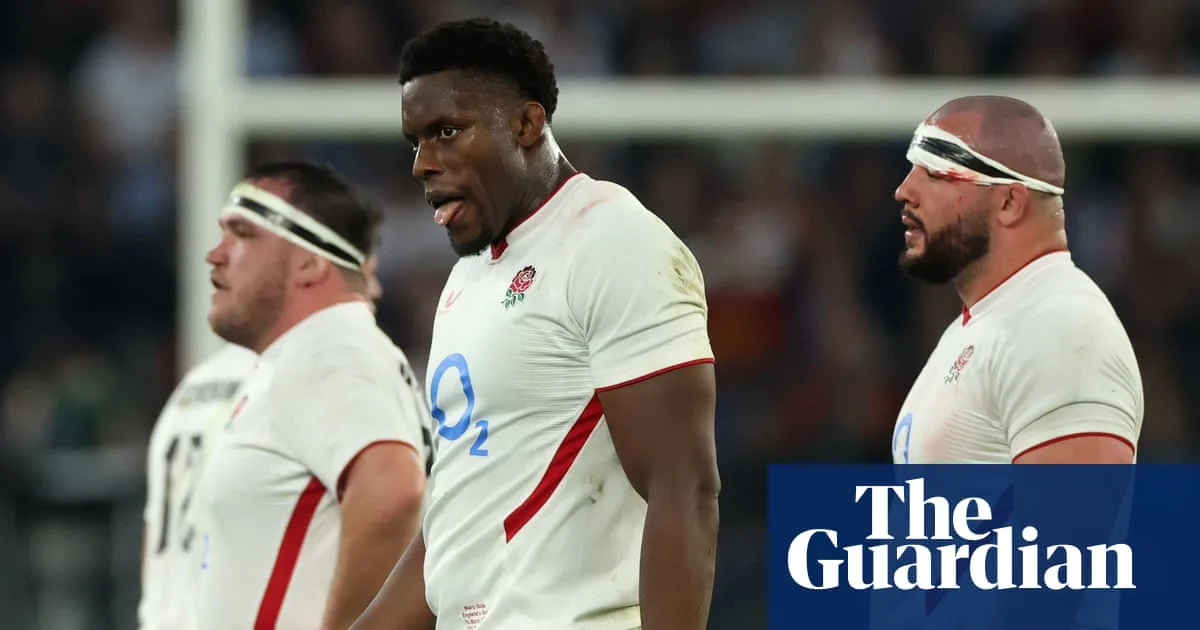
England's rugby team is facing a full-blown crisis after a humiliating 33-31 loss to Italy in Rome, marking the first time Italy have beaten England in 33 attempts. The defeat, which leaves England with three consecutive losses in the Six Nations, has put head coach Steve Borthwick under immense pressure, with calls for regime change growing louder.
Captain Maro Itoje was seen with a haunted look as Italy sealed their famous win, with England players left shellshocked. The team's discipline again proved costly, with Sam Underhill and Itoje both receiving yellow cards, leaving England down to 13 men at a crucial moment. Itoje's second yellow of the tournament raised questions about leadership, which has been identified as a critical problem.
Borthwick's decision to make 12 changes to his starting lineup backfired, and his team failed to address fundamental flaws including poor discipline, costly turnovers, and a lack of composure. Despite a game plan to kick long and pin Italy back, England struggled to create meaningful attacks, managing only two well-worked tries from Tommy Freeman and Tom Roebuck.

Ben Earl was one of the few players to emerge with credit, but many others failed to seize their opportunities. Fin Smith, in particular, struggled to manage the game in the second half, with wayward kicks drawing audible groans from supporters. The team's reliance on a kicking game has not endeared them to fans, and Borthwick's apparent indifference to their concerns is adding to the tension.
Next up for England is a trip to Paris to face France, who are chasing the title and will be eager to bounce back from their own defeat to Scotland. With a post-Six Nations review looming, RFU chief executive Bill Sweeney faces a difficult decision on Borthwick's future, with history suggesting that waiting until autumn could be too late.