Team GB Celebrates Historic Medal Haul at Milan Cortina Winter Olympics
After an exhilarating fortnight of competition in Milan Cortina, the Winter Olympics draw to a close this weekend. For Team GB, the journey to Italy has proven exceptionally fruitful, with athletes securing three gold medals. Matt Weston, Tabitha Stoecker, Charlotte Bankes, and Huw Nightingale have all contributed to this impressive tally, significantly surpassing Britain's performance at the last Italian-hosted Games in Turin back in 2006.
A Stark Contrast to Turin's Sole Medal
In 2006, Team GB's medal return was far more modest, with only Shelley Rudman achieving podium success. Her inspired second run in the skeleton event propelled her from fourth place to a silver medal, leaving a lasting legacy for British skeleton racing. However, while Rudman's achievements continue to inspire, the physical legacy of the Turin Olympics tells a very different and troubling story.
Shocking State of Abandoned 2006 Olympic Venues
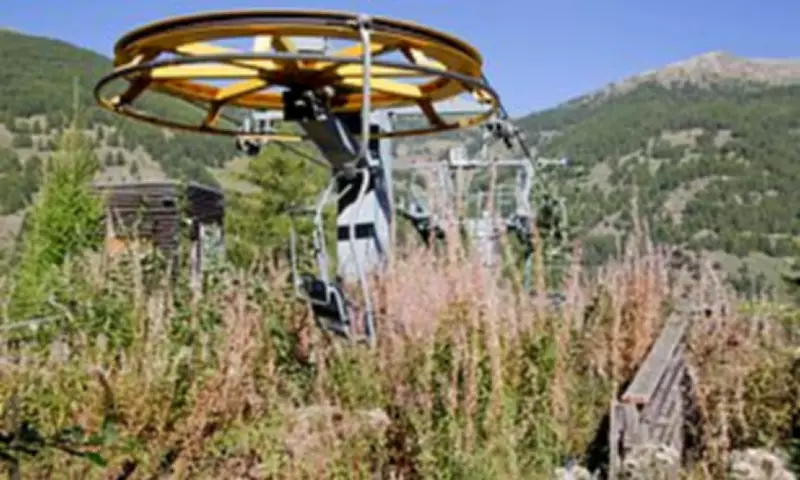
Newly released images reveal the Cesana Pariol facilities in a state of utter dereliction, despite the Italian government investing approximately £5.2 billion to host the 2006 Winter Games. These venues, which were used for training and a few post-Olympic competitions, have been completely abandoned since 2012.

The site now resembles a ghost town, with significant overgrowth engulfing the structures. The bobsleigh track has deteriorated into fragments, and extensive graffiti mars large sections of the facility, all set against the picturesque backdrop of the Alps. Urban explorers from the group Broken Window Theory recently documented this sorry state in a YouTube video, highlighting the stark reality of what remains after the global spotlight fades.
Urban Explorers Expose the Forgotten Legacy
The channel's presenter remarked, "Right now Italy is hosting the world again for the 2026 Winter Olympics, and while these games aim to build something lasting, we investigated what legacy truly means once athletes depart and cameras move on. Last time, some of Italy's Olympic venues were simply abandoned. When new venues rise, the old ones remain as scars on the landscape—too expensive to maintain and too costly to erase."
The explorers showcased an ice track in Cesane Torinese, unused for fifteen years, where Olympic flags and cameras still stand near the former torch cabinet. "For two weeks in 2006, the world's best athletes rocketed down this 1.4km course," he added. "Twenty years later, the site sits dormant, winding through the southern Alps like a scar through the forest. Built for 7,000 spectators, it has been empty for years."
They also visited a ski jump facility in Pragelato, now plagued by weeds, vandalism, and graffiti. "This site was intended as a national training hub to nurture the next generation of Italian ski jumpers," the presenter stated. "But, with capacity for 9,000 fans, it was constructed for a future that never arrived. Weeds sprout from the runways, and graffiti covers old advertising boards."
Questions Over Olympic Sustainability and Legacy
The presenter critically noted, "With the Winter Games returning to Italy, promises of legacy have resurfaced. Yet, after witnessing what gets left behind, that term can sometimes excuse venues too specialized to reuse and too expensive to maintain. While such events can yield long-term benefits for communities, what we saw today isn't sustainability—it's a decades-long financial burden. If nothing changes, 'legacy' may merely become a polite name for the mess left when the lights go out."
Hope for Milan Cortina's Future
In contrast, organizers of the Milan Cortina Olympics report that 85 percent of venues are pre-existing or temporarily constructed for the two-week event, slated for dismantling post-Games. Additionally, the Olympic Village will be converted into student accommodation in Milan, and the event is expected to bring long-term enhancements to transport and infrastructure in northern Italy, offering a more hopeful outlook for sustainable legacy planning.