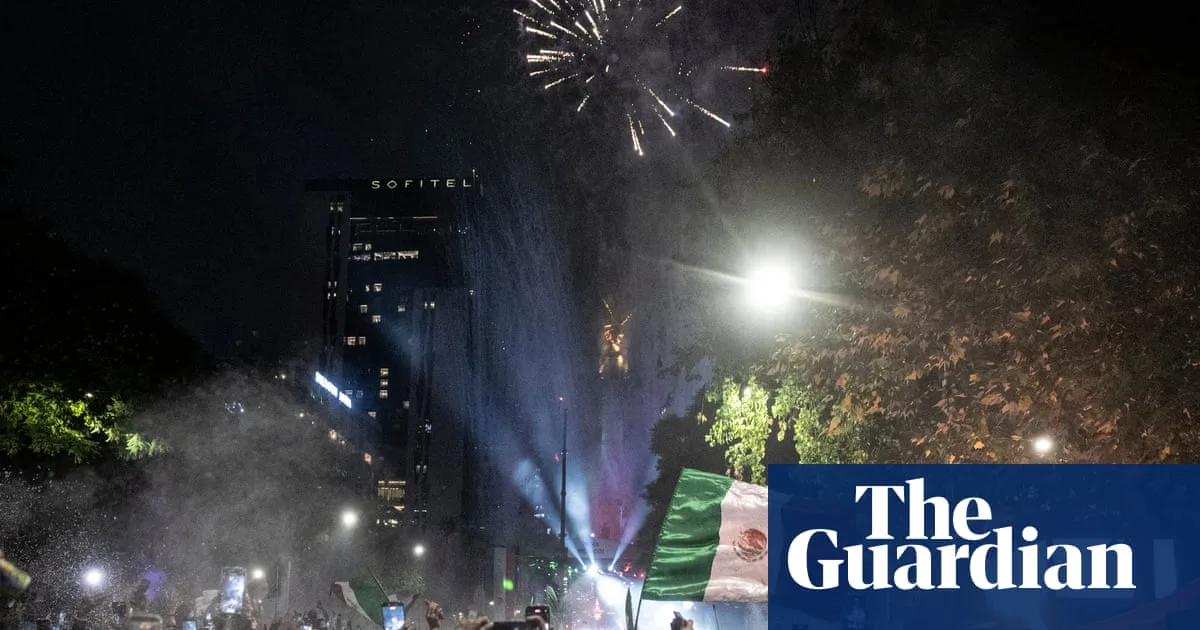
Shirt sellers have flooded the streets around Zócalo, Mexico City's vast main square, as the national team captures the imagination like never before. Demand for the green jersey has surpassed every other at this World Cup, even before El Tri's potentially epochal last-16 tie with England was confirmed.
Tuesday night's victory over Ecuador secured Mexico's first knockout-stage win since 1986, sparking unparalleled fervour. An estimated 1.4 million people watched on outdoor screens despite a vicious pre-match storm that delayed kick-off by an hour, a dramatic rise from the 400,000 who turned out for the opening match against South Africa. Tragically, four people were killed in a crush, highlighting safety concerns that must be addressed.
Fans are confident of breaking attendance records for Sunday's match. “I’d wager my name on it,” said Principia, a fan from Quintana Roo, as she walked around the Fifa fan festival in Zócalo. “It’s just been so exhilarating to see our team win on Mexican soil. There’s such beauty in seeing families out there celebrating.”
The Estadio Azteca looms as a formidable 12th man for England. “Playing there is pure energy,” said Charles, strolling past Zócalo with his partner Angie. “The Azteca has something magical. It brings us a lot of luck.” Even in fashionable neighbourhoods like La Roma, the excitement is palpable. Pablo, a Manchester United fan, recalled celebrations along Paseo de la Reforma after the Ecuador win: “Quite incredible… thousands of people celebrating, honking, jumping around.”
With the rallying cry “¿Y Si Sí?” – “What if they can?” – gaining traction, Mexicans are daring to dream. “It feels a bit different,” Pablo added. “People are believing more. With previous teams there was doubt, but now we have faith.”