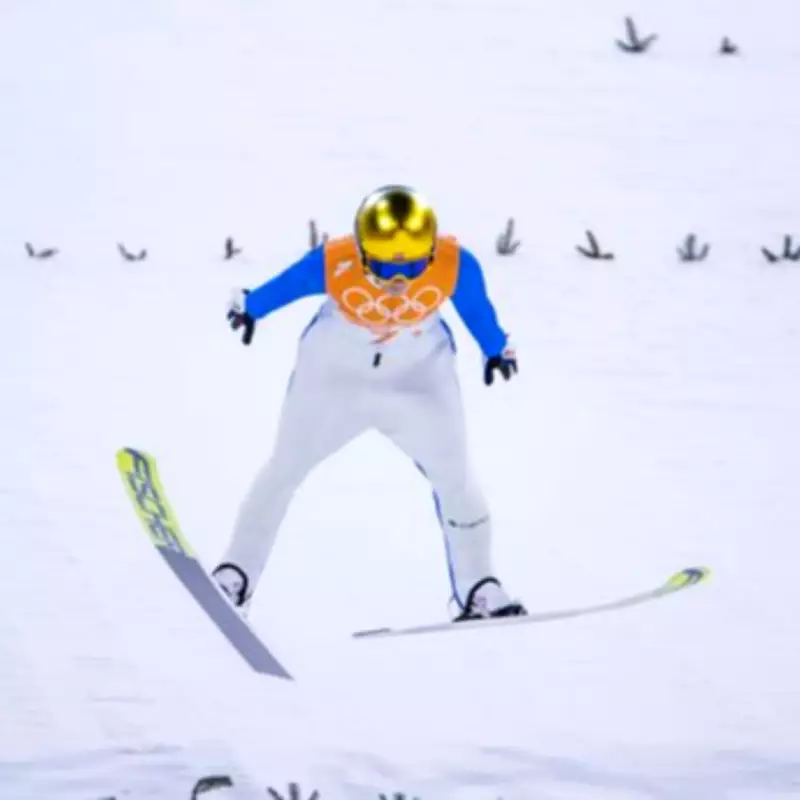
Winter Olympics Ski Jumping Outfit Controversy Sees Five Female Stars Banned
The Winter Olympics ski jumping event has a storied history of generating controversy, and the 2022 Beijing Games added a significant chapter when five female athletes were banned over their competition outfits. This incident highlighted the strict enforcement of regulations by the International Ski and Snowboard Federation (FIS), which governs the sport with precise rules to maintain fairness.
Strict FIS Regulations on Ski Jumpsuits
FIS rules mandate that ski jumpsuits must be made from specific materials and adhere to exact dimensions, allowing only two to four centimetres of fabric over the body. This is to prevent any aerodynamic advantages that could skew competition results. In response to past disputes, the federation has even introduced 3D scanners to ensure compliance, yet violations still occurred at the Beijing Olympics.
During the 2022 Winter Olympics, an inspection revealed that too many jumpers were wearing non-compliant suits. Specifically, five women's competitors were found to have outfits that were too loose, leading to their disqualification from the mixed team event. This decision had immediate repercussions on team dynamics and medal aspirations.

Affected Athletes and Team Impacts
The banned athletes included prominent names from around the world: Katharina Althaus of Germany, the Norwegian duo of Silje Opseth and Anna Odine Stroem, Sara Takanashi of Japan, and Daniela Iraschko-Stolz of Austria. Each faced different consequences based on their event rounds.
- Althaus, Iraschko-Stolz, and Takanashi were disqualified from their opening-round runs, with their scores nullified.
- Opseth and Odine Stroem were barred from the final, a blow that severely damaged Norway's chances in the team event, especially as their male teammates, Robert Johansson and Marius Lindvik, had posted top scores that could have led to gold.
The FIS stated that a pre-competition suit test had been offered to all teams, but only a few took advantage. The federation clarified that the disqualified suits were too large, providing an aerodynamic edge, and noted no official protests were lodged by any team. However, this did not quell the backlash from affected athletes.
Athlete Reactions and Ongoing Controversies
Despite the lack of formal objections, Katharina Althaus publicly condemned the decision, claiming the FIS had "destroyed women's ski jumping". Silje Opseth apologised but described the judgement as "very strange", reflecting the frustration among competitors. The incident underscored the high stakes in Olympic sports, where technicalities can alter careers and national pride.
Looking ahead, the 2026 Winter Olympics have not been immune to controversy, with reports emerging about male athletes undergoing penis-enlarging procedures using hyaluronic acid to enhance wind resistance. A plastic surgeon, Alessandro Littara, confirmed treating a ski jumper with this method, though he withheld the athlete's identity, dubbing the scandal "penis-gate". This highlights the ongoing push for competitive edges in the sport, even as regulations aim to level the playing field.
In summary, the 2022 outfit bans serve as a reminder of the meticulous rules in ski jumping and their potential to disrupt Olympic dreams. As the sport evolves, balancing innovation with fairness remains a critical challenge for athletes and governing bodies alike.