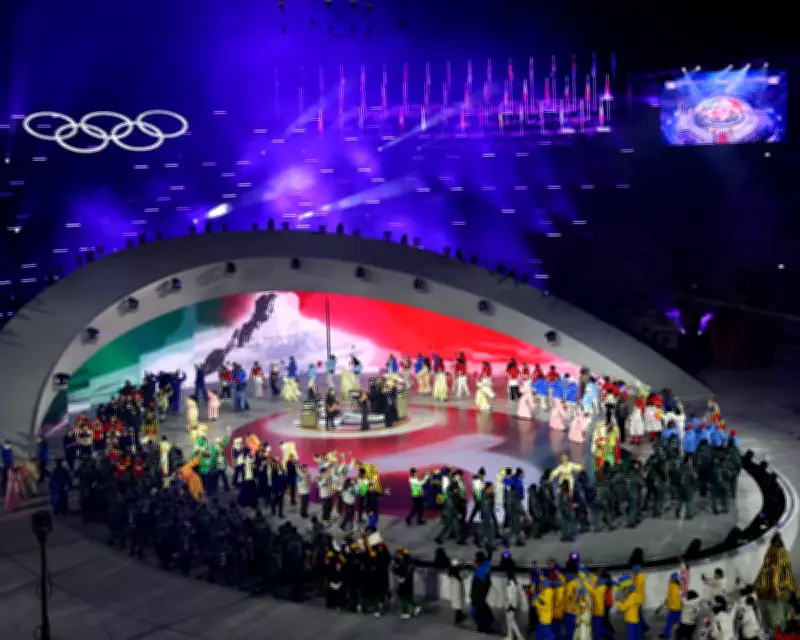
The Essence of the Winter Olympics: Beyond Fame and Fortune
The Winter Olympics often present a paradox: they feature sports that many deem 'completely useless' in everyday life, yet they captivate audiences worldwide with tales of human spirit and perseverance. Unlike summer events that promise global stardom and lucrative endorsements, winter sports offer little in terms of fame or financial reward. However, it is precisely this lack of commercial allure that allows the purity of competition to shine through, transforming what were once derided as frivolous pastimes into platforms for inspiring narratives.
A Legacy of Contradiction and Change
Pierre de Coubertin, the founder of the modern Olympic Games, initially opposed the inclusion of winter sports, labeling them as 'completely useless' with no practical application. Over time, his perspective evolved, and by the end of the first Olympic winter sports week in Chamonix in 1924, he praised these activities as 'among the purest.' This duality—viewing winter sports as both trivial and noble—remains relevant today, as seen in events like the Milan-Cortina Games, where politics, scandals, and personal dramas often overshadow the athletic feats.
For instance, these Olympics witnessed moments such as JD Vance being jeered, Ukrainian bobsledders facing bans, and a convicted criminal competing against a defrauded teammate. Yet, amidst the chaos, athletes like Lindsey Vonn, who crashed out early, and Ilia Malinin, who made critical errors, demonstrated raw courage. The internet even briefly fixated on a Canadian curler's delicate touch, highlighting the quirky charm of these sports.

The Power of Uselessness and Purity
Winter Olympic sports, from speed skating in the Netherlands to cross-country skiing in Norway, rarely inspire mass participation outside their niche cultures. A decade from now, few will credit these Games for making them fitter or more athletic. However, this very 'uselessness' is what makes them special. Coubertin's term 'pure' resonates, but in today's Instagram era, 'inspiring' might be more apt. Athletes compete not for wealth or celebrity but for personal challenge, echoing George Mallory's reason for climbing Everest: 'Because it's there.'
They come to test themselves, and we, as spectators, are privileged to witness their journeys. You don't need to ski downhill to appreciate Lindsey Vonn's bravery in racing with a ruptured ACL, or ride skeleton to admire Matt Weston's perfectionism. Similarly, Johannes Høsflot Klæbo's determination in cross-country skiing, Mikaela Shiffrin's triumph over PTSD after a near-fatal crash, and Federica Brignone's recovery from a severe leg injury all showcase resilience that transcends sport.
Stories That Define the Games
Beyond individual feats, team sports like curling reveal deep emotional layers. The Scottish men's curling team, comprising Bruce Mouat, Hammy McMillan, Bobby Lammie, and Grant Hardie, experienced profound disappointment after winning silver instead of the gold they dreamed of for four years. Their story underscores that victory isn't always about medals but about the journey and the heartache that comes with it.
Yet, these inspiring narratives unfold against a backdrop of logistical and financial challenges. The Milan-Cortina Olympics, like many before them, ran grotesquely over budget, with over 50% of construction work on infrastructure delayed until after the Games. Some projects aren't slated for completion until 2033, raising questions about the cost and sustainability of such events.
Lessons in Imperfection and Priorities
There's a crucial lesson here about embracing imperfection. Despite being half-finished, these Olympics functioned adequately, proving that the Games don't always need to outdo their predecessors. Unnecessary expenditures, such as carving new snow parks or building redundant sliding tracks, highlight a disconnect between the International Olympic Committee's pursuit of 'Better, Bigger, Richer' and the athletes' simple need for a stage to compete.

Ultimately, it is the athletes who make the Winter Olympics great. Give them ice, and they will race; give them mountains, and they will descend with fearless abandon. All the pomp and circumstance are merely set dressing. As we reflect on these Games, we're reminded that true value lies not in fame or fortune but in the stories of human endeavor that emerge from the cold.