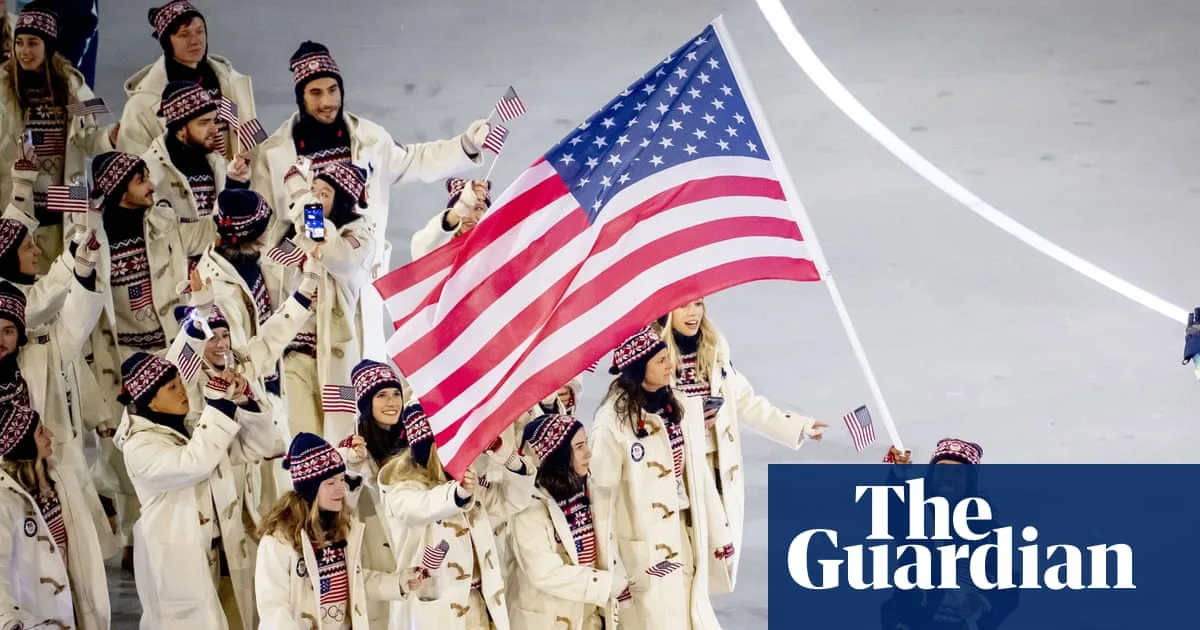
Some US athletes at the Winter Olympics in Milan and Cortina are speaking more openly than at any point since Donald Trump returned to the White House, describing a complicated mix of pride and discomfort about representing the country while political tensions at home and abroad spill into the Games.
The comments – and the fierce reaction they have triggered from political figures, online influencers and the president himself – have exposed a widening gap between how some athletes view their Olympic role and how parts of the political establishment believe they should use it. Trump intensified the dispute on Sunday, saying it was difficult to support American athletes who publicly questioned his administration’s policies. He singled out freestyle skier Hunter Hess for criticism after the Oregon native said he felt “mixed emotions” about competing in the current political climate.
“Hess, a real loser, says he doesn’t represent his country in the current Winter Olympics,” Trump wrote on Truth Social, failing to convey the nuance of the skier’s expression. “If that’s the case, he shouldn’t have tried out for the team.” The exchange has quickly become the most visible example yet of political friction surrounding the US team at the Milano Cortina Games, where athletes have largely avoided direct criticism of the Trump administration but now appear increasingly willing to discuss the tensions they are experiencing.
The shift has come as the Trump administration has taken a more aggressive posture internationally – including tariffs on key allies, military action in Venezuela and rhetoric about acquiring Greenland – moves that diplomats and analysts say have strained relations with traditional partners and contributed to a more politically charged atmosphere at the Games. It has also unfolded against a visible political backdrop in Italy. Vice-president JD Vance spent five days in Milan attending multiple Olympic events, often alongside US secretary of state Marco Rubio in what at times felt like a soft-launch of the 2028 GOP presidential ticket.
In response to questions, the US Olympic and Paralympic Committee (USOPC) said it was monitoring abusive online activity directed at athletes and working with social media platforms and law enforcement when credible threats emerged. “The USOPC stands firmly behind Team USA athletes and remains committed to their well-being and safety,” the organization said.