The Winter Olympics have always had room for competitors who confound expectations, whether through sheer determination, unexpected talent or even good fortune. From a self-funded ski jumper who became a global cult hero to African and Asian pioneers who made history simply by taking part, these six athletes proved that the Olympic spirit goes far beyond medals.
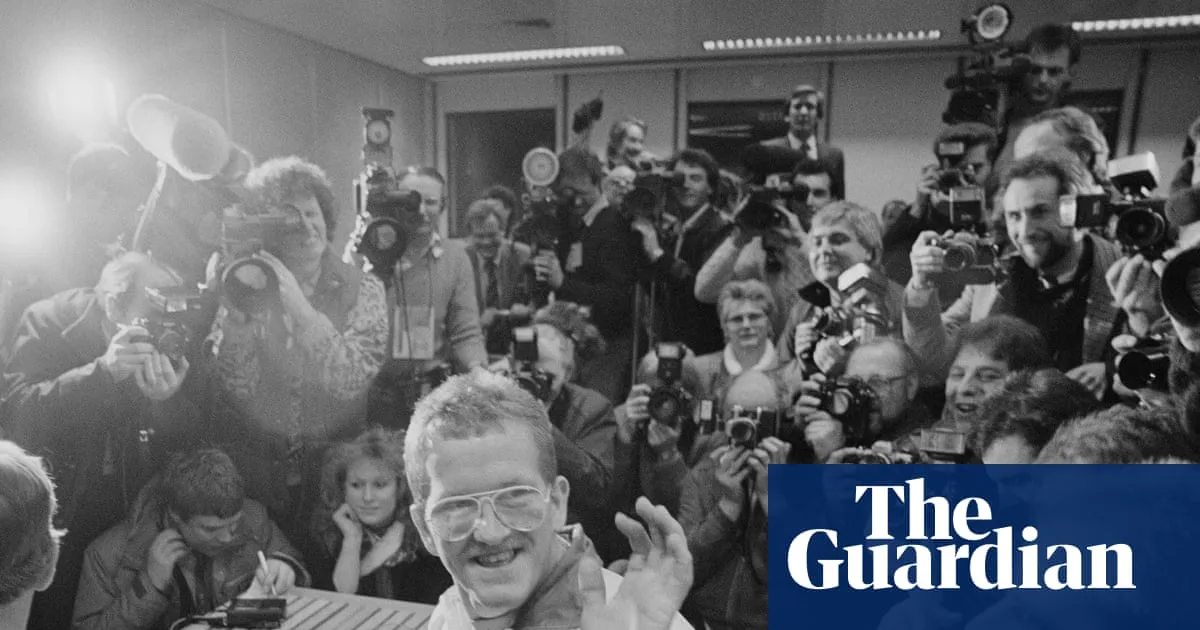
Michael Edwards, better known as Eddie the Eagle, was the antithesis of the typical Olympic high-flyer. Weighing 82kg, with poor eyesight and no financial backing, he became Great Britain’s first Olympic ski jumper. He finished last in both the normal hill and large hill events at Calgary 1988, yet his enthusiasm captured worldwide media attention. His participation prompted the introduction of stricter entry requirements, which became known as the "Eddie the Eagle Rule".
Czech athlete Ester Ledecka caused one of the biggest upsets in Alpine skiing history when she won gold in the Super-G at Pyeongchang 2018, despite her best World Cup finish in the discipline being 19th. Starting 26th, she edged out defending champion Anna Veith by 0.01 seconds. A week later, Ledecka returned to her primary sport of snowboarding to take gold in the parallel giant slalom, becoming the first athlete to win gold in two different sports at the same Winter Games.
Nigeria’s first Winter Olympic delegation was made up of four women, including the bobsleigh squad of Seun Adigun, Ngozi Onwumere and Akuoma Omeoga, and skeleton racer Simidele Adeagbo. The bobsledders, former track and field athletes, crowdfunded their journey and trained on a makeshift wooden sled in Texas. Their participation marked the first time any African country had been represented in bobsleigh at the Winter Games.
India’s Shiva Keshavan debuted at Nagano 1998 at just 16, becoming the youngest luger in Winter Olympic history. He went on to compete in luge at six consecutive Games, despite lacking proper infrastructure in India and often training on dangerous Himalayan tracks. In 2002, he refused an offer to compete for Italy, and hitchhiked to the Salt Lake City Games from Montreal. His best Olympic finish was 25th in Turin 2006, and he set an Asian speed record of 134.3km/h.
Australia’s first Winter Olympic gold came from a bizarre twist of fate. Steven Bradbury won the 1000m short-track speed skating title at Salt Lake City 2002 after all four skaters ahead of him collided on the final bend, leaving him to glide home. Similarly, Kenya’s Philip Boit finished last in the 10km classical cross-country at Nagano 1998, but was greeted at the finish line by the winner, Bjorn Dæhlie, an embrace that moved Boit to name his first son after the Norwegian.