Scandal Clouds Glittering Ice Dance Competition at Winter Olympics
As the world's elite ice dancers prepare to take the ice at the Milano Ice Hockey Arena, a dark cloud hangs over one of the Winter Olympics' most glamorous and captivating disciplines. While Team GB's Lilah Fear and Lewis Gibson are positioned to potentially secure Britain's first figure skating medal since Torvill and Dean's legendary performance in 1994, the spotlight is uncomfortably fixed on the controversial new partnership leading the competition.
Medal Contenders and Competitive Landscape
Wednesday evening's ice dance final presents a remarkably open field, marking the first Olympic competition since 1984 where no competing team possesses a previous Olympic medal. The battle for podium positions is exceptionally tight, with five teams realistically in contention for medals.
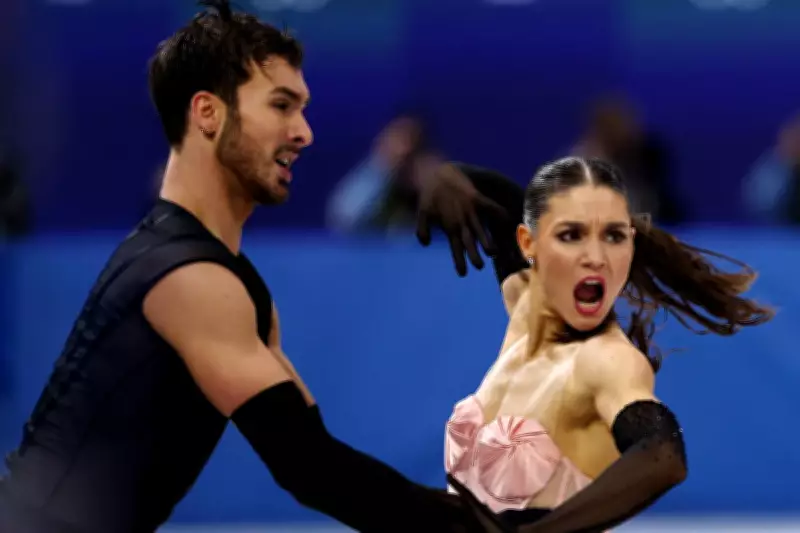
French duo Guillaume Cizeron and Laurence Fournier Beaudry currently lead the standings following an impressive season's best performance in Monday's rhythm dance. The pair, who only joined forces in March of last year, surprisingly won the European Championships in January and now appear poised to claim Olympic gold.

Close behind sit three-time world champions Madison Chock and Evan Bates of the United States, who may be experiencing some fatigue after competing twice during last week's team event en route to their gold medal victory. The battle for bronze is widely expected to be a three-way contest between Canada's Piper Gilles and Paul Poirier, Britain's Fear and Gibson, and Italian hopefuls Charlene Guignard and Marco Fabbri.
Controversial Partnership at the Centre of Storm
The narrative surrounding Cizeron and Fournier Beaudry extends far beyond their athletic achievements. Their partnership formed under complex circumstances that have cast a shadow over the entire competition.
Fournier Beaudry's previous skating partner and current boyfriend, Nikolaj Sorensen, faces serious allegations of rape and sexual assault dating back to 2012. Although Skate Canada imposed a six-year suspension for "sexual maltreatment" in 2024 based on findings from Canada's Office of the Sport Integrity Commissioner, this suspension was subsequently overturned on jurisdictional grounds. Sorensen, who was competing for Denmark at the time of the alleged incident and is not a Canadian citizen, successfully argued he should not be retroactively bound by Canada's sporting code of conduct.
This ruling remains under review, while no criminal investigation into the allegations has been conducted. Fournier Beaudry obtained French citizenship in November specifically to compete with Cizeron in Milan, and both skaters have refused to comment on the accusations against Sorensen during the Games.
Personal Conflicts and Allegations
Further complicating matters, Cizeron finds himself embroiled in a bitter public dispute with his former Olympic partner Gabriella Papadakis. In a recently published memoir, Papadakis has accused Cizeron of controlling and bullying behaviour, describing feeling "under his grip" and experiencing terror at the prospect of being alone with him.
Cizeron has vehemently denied these allegations, counter-accusing Papadakis of conducting a "smear campaign" against him. His legal representatives have issued cease-and-desist letters demanding an end to what they characterize as "defamatory statements." The controversy led to Papadakis being removed from NBC's Olympic analysis team, with the network citing her memoir as a "conflict of interest."
Broader Issues Plaguing Figure Skating
These controversies represent just the latest chapter in figure skating's long history of ethical challenges and abuse allegations. The sport continues to grapple with systemic issues that extend far beyond individual competitions.
The previous Winter Olympics in Beijing became dominated by the Kamila Valieva doping scandal, which saw the then-15-year-old Russian skater compete despite having failed a pre-Games drug test. The subsequent scenes of her coach Eteri Tutberidze berating the distressed teenager on international television were described as "chilling" by International Olympic Committee President Thomas Bach.

Despite this, Tutberidze has returned to these Games as a coach for the Georgian team while also training Russia's teenage prodigy Adeliia Petrosian, effectively skirting IOC restrictions. The Russian skating system has become notorious for producing exceptionally talented young skaters while showing concerning disregard for their physical and emotional wellbeing.
Elsewhere in the sport, former French skating federation head Didier Gailhaguet resigned in 2020 following accusations he had covered up for a coach accused of rape and sexual abuse by former skaters. These cases highlight persistent patterns of misconduct and inadequate accountability mechanisms within figure skating governance structures.
Cultural Reckoning and Olympic Legacy
The alleged victim in the Sorensen case has spoken out about the broader implications of the current situation, stating: "The comments of the reigning Olympic champion and a team in contention for the upcoming Olympic title carry weight, and using their voices to publicly undermine a survivor's truth further enforces the culture of silence in figure skating."
As Fear and Gibson prepare to compete for what would be a historic bronze medal for Team GB, the sport faces crucial questions about its willingness to confront uncomfortable truths. If Cizeron and Fournier Beaudry claim gold on Wednesday night, many observers will interpret this as another indication that figure skating prioritizes competitive success over addressing systemic problems and supporting survivors of abuse.
The glittering spectacle of ice dance continues to captivate global audiences, but beneath the sequins and gold dust lies a sport urgently needing meaningful reform and cultural transformation.