
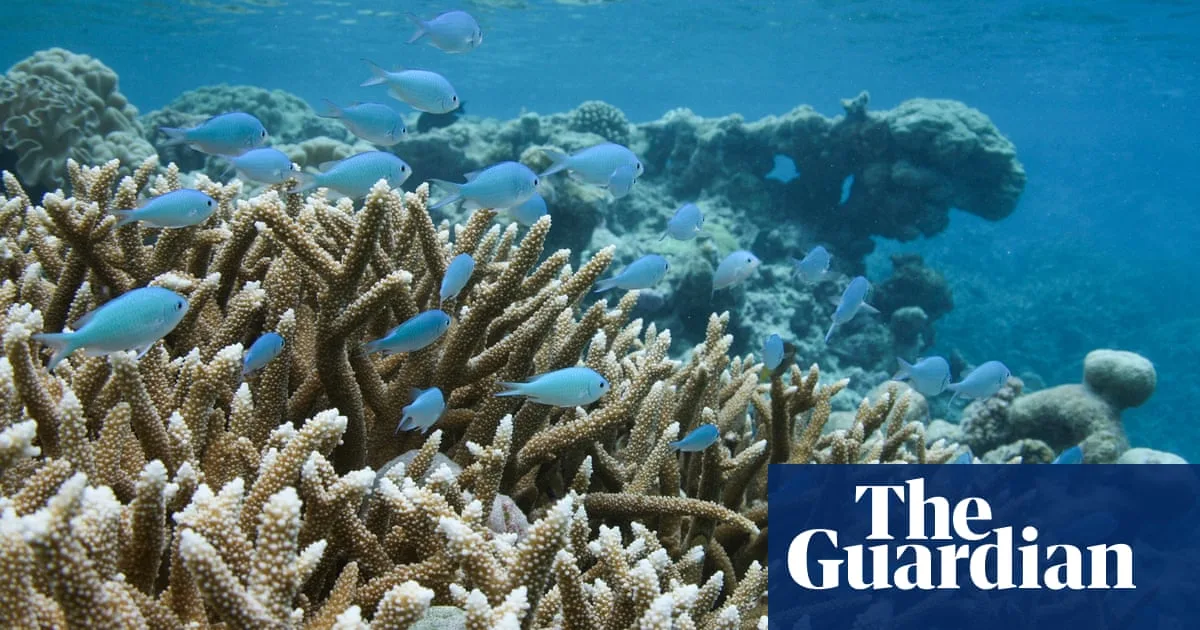
Conservationists have raised alarms over Donald Trump's recent proclamation to loosen fishing regulations in the Pacific Islands Heritage Marine National Monument, a federally protected area spanning nearly 500,000 square miles in the central Pacific Ocean. The monument, established by George W. Bush in 2009 and expanded by Barack Obama in 2014, is one of the most pristine tropical marine environments in the world, home to threatened species including 22 kinds of seabirds, green and hawksbill turtles, giant clams, bumphead parrotfish, dolphins, whales, and various shark species.
Trump's proclamation, heavily advocated for by American Samoan tuna lobbyists, allows US-flagged vessels to fish commercially within 50 to 200 nautical miles of the monument's boundaries. It also directs Commerce Secretary Howard Lutnick to amend or repeal regulations that restrict commercial fishing in the area. Trump described the existing regulations as 'so horrible and so stupid,' claiming American fishers are forced to travel long distances to less productive waters.
Environmental experts dispute these claims. David Henkin, an attorney for Earthjustice, noted that the remote Pacific islands require days of travel regardless of regulations, and a 2023 study found that US-flagged purse-seine vessels spent only 0.52% of their effort in areas where commercial fishing is currently allowed within the monument. David McGuire of Shark Stewards called the move 'grandstanding,' stating that fishermen already operate within 400 to 500 miles and have no incentive to travel further.
Concerns extend to the potential rise in illegal fishing and bycatch. Arlo Hemphill of Greenpeace warned that legal commercial fisheries provide cover for illegal, unreported, and unregulated fishing, which accounts for one in five fish caught globally. Sharks, which play a critical role in maintaining ecosystem balance, are particularly at risk, with over 100 million killed annually as bycatch or through shark finning.
The proclamation comes amid a global coral bleaching event affecting over 80% of the world's reefs and Trump's mass firings at the National Oceanic and Atmospheric Administration, which manages the monument. McGuire warned that without staff and scientific support, management and conservation efforts will be severely undermined.




