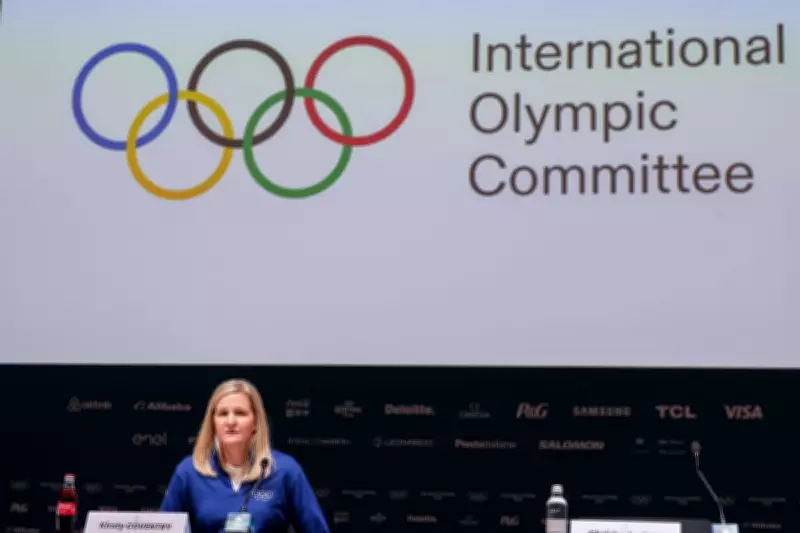
The president of the International Olympic Committee has voiced profound concern over what he describes as a "distracting and sad" series of events affecting the world of sport, particularly focusing on disruptive protests during ice competitions and the lingering repercussions of the Jeffrey Epstein scandal.
Protests Disrupt Ice Sports Events
In recent months, several high-profile ice sports events, including figure skating and ice hockey tournaments, have been marred by organised protests. Activists have taken to the ice during competitions, holding banners and staging sit-ins to draw attention to various social and political causes. These incidents have not only interrupted the flow of events but have also created security challenges and emotional distress for athletes who have trained for years for these moments.
The Olympics chief emphasised that while freedom of expression is a fundamental right, the timing and manner of these protests are particularly damaging. "It's heartbreaking to see athletes' dreams overshadowed by such disruptions," he stated. "These competitions are a culmination of immense dedication, and anything that detracts from that is truly saddening."

Epstein Scandal Fallout Continues to Loom
Adding to the turmoil is the ongoing fallout from the Jeffrey Epstein scandal, which has implicated several figures in the sports and entertainment industries. The controversy has led to increased scrutiny of sponsorships, partnerships, and personal associations within the Olympic movement. The IOC president acknowledged that this has created a cloud of suspicion and distraction, diverting attention from the core values of sportsmanship and fair play.
"The Epstein saga is a dark chapter that continues to cast a long shadow," he remarked. "It forces us to confront uncomfortable truths and ensure that our institutions uphold the highest ethical standards. But it also takes away from the positive stories and achievements of our athletes."
Impact on Athletes and the Olympic Spirit
The combination of these issues has raised questions about the impact on athletes' mental health and focus. Competitors are finding themselves navigating not just the pressures of their sport but also external controversies that can affect their performance and public perception. The Olympics chief called for a renewed commitment to protecting the sanctity of sporting events and supporting athletes through these challenging times.
He urged stakeholders, including event organisers, sponsors, and the media, to work together to minimise distractions and foster an environment where sports can thrive. "Our priority must be the athletes and the Olympic spirit," he asserted. "We need to channel our energies into celebrating their hard work and resilience, rather than getting bogged down by external noise."
Looking ahead, the International Olympic Committee is reportedly considering measures to enhance security at events and strengthen ethical guidelines to prevent similar issues in the future. However, the president admitted that addressing the root causes of such distractions will require a broader societal effort.
In conclusion, the Olympics chief's remarks highlight a critical moment for the sports world, as it grapples with balancing social issues and the purity of athletic competition. The hope is that by acknowledging these challenges openly, the community can move towards solutions that honour both the voices of protest and the dreams of athletes.