How Italy's Winter Olympics Captivated a Nation After Rocky Start
After a subdued beginning, the Winter Olympics in northern Italy transformed into a national celebration as the host country began accumulating medals during the second week of competition. The atmosphere shifted dramatically from initial indifference to widespread enthusiasm, capturing the public imagination across the country.
Last-Minute Decisions and Growing Enthusiasm
Amity Neumeister, an American yoga studio owner living in Rome, initially had no plans to attend the Games. "It was a late-night, last-minute crazy decision, completely unplanned," she explained. Inspired by television images of the Dolomites, Italy's medal successes, and reports of energetic atmospheres from friends in Milan, Neumeister secured figure skating tickets. "I hadn't even considered going before, but it felt like a once-in-a-lifetime opportunity to see the Games and celebrate people coming together from around the world."
Neumeister's experience reflected broader trends across Italy. Despite quiet streets in Rome, spectator numbers told a different story entirely. By the midway point of the event, more than 1.27 million tickets had been sold, with venues reaching an average of 85% capacity. This represented a significant achievement given the unprecedented geographical spread of these Winter Games.

Logistical Challenges and Spectator Experience
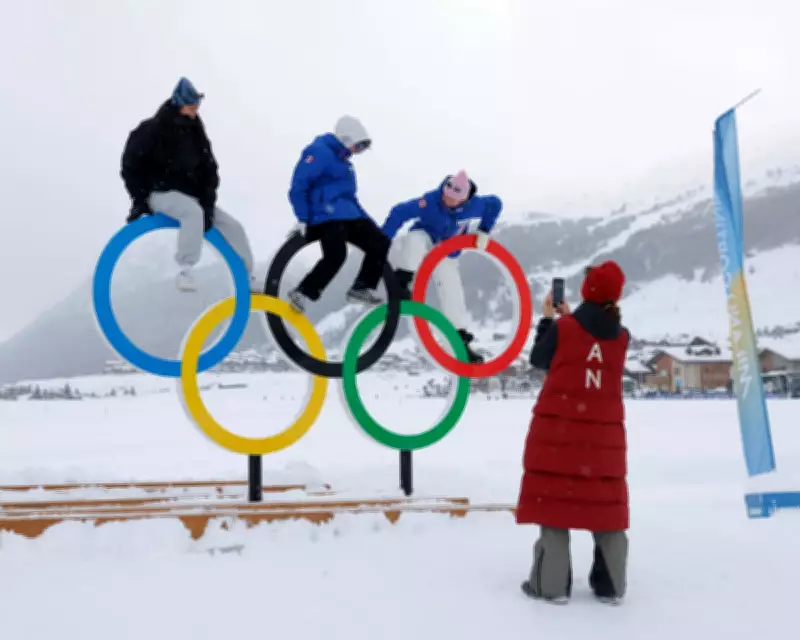
Officially branded as Milano Cortina, the Games spanned nearly 8,500 square miles across northern Italy. This vast footprint included Alpine villages in Lombardy such as Bormio and Livigno, along with Anterselva and Val di Fiemme in Trentino-Alto Adige, concluding with Sunday's closing ceremony in Verona. The scattered nature presented complex logistical challenges for organizers and athletes while offering no single central hub for spectator celebrations.
Andrea Varnier, chief executive of the Milano Cortina Games, acknowledged the difficulties: "We know that this is not a walk in the park. We are completely aware that we are pioneers when it comes to this edition of the Games. We knew that we had many challenges and, after one week, most of them seem to have been overcome."
Television Audiences and National Engagement
While fan zones in Milan and mountain villages attracted enthusiastic crowds, most Italians experienced the Games from their homes. Public broadcasters across Europe recorded multimillion audience figures, with Italy's Rai network overcoming early embarrassment from gaffe-ridden opening ceremony commentary to achieve remarkable viewership numbers.
Rai attracted a peak audience of 4.9 million viewers for early skiing coverage, including 4.1 million watching Sofia Goggia win bronze in the women's downhill and 4.5 million viewers for Federica Brignone's gold medal victory in the women's giant slalom. Even traditionally less popular sports drew significant attention, with 3.3 million Italians tuning in to watch Italy defeat Great Britain in mixed doubles curling.
Costanza Barone, a journalist in Rome who followed the Games on television, expressed her enthusiasm: "It has all been absolutely joyful. The skiing, the skating and yes, even the curling – it is a very relaxing sport to watch, but at the same time it gives you a lot of energy." Barone particularly appreciated the athletes' spirit: "For me, one of the best things has been seeing all these young faces who seem very loyal to each other and even if they lose, they don't get cross. It has also been a wonderful distraction from all the bad news."
Record-Breaking Success and Political Controversies
Italy achieved its most successful Winter Olympics ever, winning more than 26 medals and surpassing the previous record of 21 medals from Lillehammer in 1994. This athletic success undoubtedly fueled national interest and pride throughout the host country.
However, the Games did not proceed without controversy. In the lead-up to the event, protests emerged against the presence of U.S. Immigration and Customs Enforcement officers in the security detail, and U.S. Vice President JD Vance faced booing during the opening ceremony. On the first competition day, approximately 10,000 protesters took to Milan's streets, with police in riot gear clashing with a smaller group.

Protesters raised multiple concerns including substantial public spending on the event, environmental impacts, housing costs, and precarious job markets. Two suspected sabotage attacks on northern railway networks occurred, with Italian anarchists claiming responsibility for the first and denouncing the Olympics as "a glorification of nationalism."
Prime Minister Giorgia Meloni's far-right government, keen to showcase Italy through the Games, rushed through new security legislation before the event began. Meloni, who celebrated Italian medals on social media and attended events in person, condemned protesters as "enemies" of the country.
Legacy and Economic Expectations
Giovanni Orsina, a politics professor at Luiss University in Rome, observed: "As always, there were flames of political controversy for three or four days at the beginning, but then everything stopped and the attention turned to the sport." This shift mirrored the broader public transition from initial skepticism to enthusiastic engagement.
The previous Italian Winter Olympics in Turin 2006 transformed that city from an industrial hub into a vibrant tourism and cultural destination, though they also left a legacy of debt and abandoned sports facilities. The Italian government now hopes the Milano Cortina Games will provide a much-needed economic boost to the country.
Orsina expressed optimism about the potential impact: "I believe they will have such an impact that the spending will be justified. Milan has a productive fabric, an administration that works and the capacity to make everything come to fruition … the same with the Lombardy region and other areas where the Olympics were held."
While the full legacy of these Winter Olympics remains to be seen, the transformation from early gaffes and logistical challenges to gold medal celebrations and national pride has already created a memorable chapter in Italy's sporting history.