IOC Secures Major Victory on Athlete Speech Limits Ahead of 2028 LA Games
The International Olympic Committee has secured a significant legal victory regarding its regulations on athlete speech and expression. This follows a Ukrainian skeleton athlete losing his appeal against disqualification from the Milan Cortina Winter Games.
Ukrainian Athlete's Disqualification Upheld
Vladyslav Heraskevych, a medal contender in the skeleton event, sought to compete while wearing a "helmet of memory" adorned with portraits of over twenty Ukrainian athletes and coaches killed during the ongoing war with Russia. The IOC initially permitted the helmet for training runs but prohibited its use during his four scheduled competition runs.
Heraskevych was offered a compromise to display the helmet in media areas and wear a black armband at all times. Upon his refusal, the IOC disqualified him. The athlete subsequently appealed to the Court of Arbitration for Sport, but his appeal was denied, reinforcing the IOC's stance on limiting political statements during competition.

Legal Basis and IOC Guidelines
Notably, the IOC did not invoke Rule 50 of the Olympic Charter, which explicitly bans political statements on the field of play. Instead, it relied on its Athlete Expression Guidelines, governed by Rule 40, which were developed in consultation with athlete groups. These guidelines aim to balance freedom of speech with maintaining focus on athletic performance and international unity.
The IOC argued this week that these guidelines also protect athletes from potential pressure in their home countries to convey political messages against their beliefs within Olympic arenas.
Court of Arbitration for Sport Ruling
The ruling, issued by Judge Annett Rombach of Germany, upheld the IOC's position, stating that Heraskevych breached expression guidelines by insisting on wearing the helmet during competition. The court found the limitations "reasonable and proportionate," emphasizing they provide a balance between athletes' expression rights and the undivided attention on sporting performance.
Judge Rombach expressed full sympathy for Heraskevych's commemoration but noted she was bound by the proportionate rules. The IOC allowed Heraskevych to retain his accreditation, and he is expected to meet with Ukrainian President Volodymyr Zelenskyy, who recently awarded him a state honor.
Broader Implications for Future Games
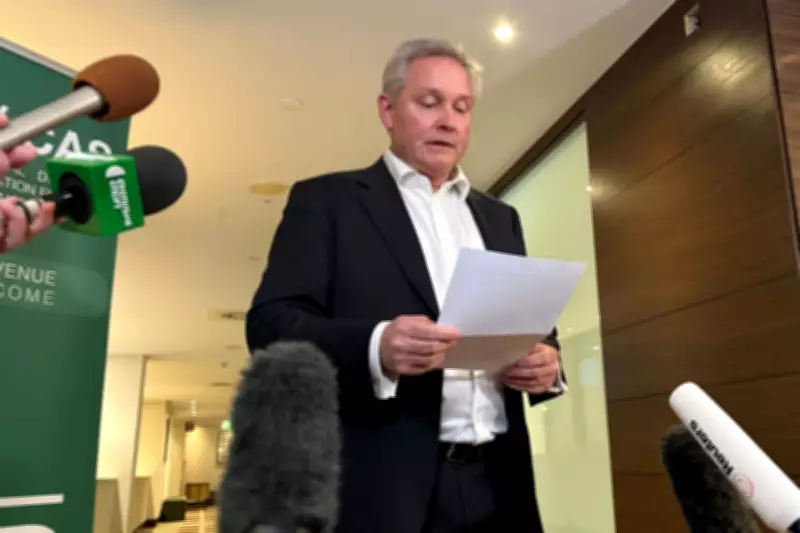
This verdict strengthens the IOC's legal framework as the 2028 Los Angeles Summer Games approach. Heraskevych's attorney, Yevhen Pronin, highlighted that the case extends beyond an individual dispute, touching on fundamental issues of athlete expression, sports body discretion, and Olympic values.
The decision underscores the IOC's commitment to regulating speech at the Olympics, setting a precedent for how similar cases may be handled in future international sporting events.