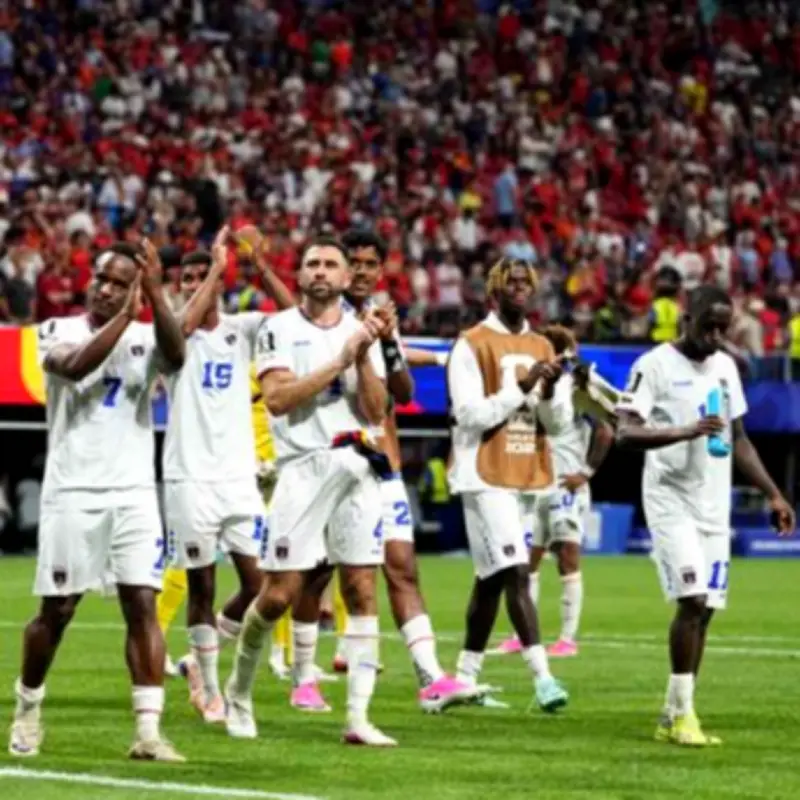
Cape Verde, an archipelago of volcanic peaks rising dramatically from the Atlantic Ocean some 350 miles off the coast of West Africa, has long been defined by its remoteness. First settled by Portuguese explorers in the 15th century, the islands served as a strategic outpost and later a key shipping stop before gaining independence in 1975. Today, they are known for wind-swept coastlines, rustic fishing villages, and tourist resorts—but recently, they have made headlines in football.
Historic World Cup Qualification and Stunning Draw
The nation of half a million people qualified for the World Cup for the first time and then held former champions Spain to a 0–0 draw in their opening match. Goalkeeper Vozinha was the standout performer, earning man of the match honors with a disciplined defensive display. “When you're a small nation playing a big team like Spain, you expect your goalkeeper will be busy. Fortunately for Cape Verde, Vozinha had a very good day and an amazing game,” said former international Pedro Miguel Cardoso Monteiro, known as Pele.
Rise Fueled by Diaspora Talent
Pele, who made his debut for Cape Verde 20 years ago against The Gambia in an AFCON qualifier, recalled the humble beginnings: “I remember we had to pay for our flights when we had matches. But as soon as we got there, they reimbursed us, so there was never a problem.” The country’s football federation made a concerted effort to recruit from its diaspora, many of whom left the islands in the 1960s and 1970s. Pele was one such player, and Roberto ‘Pico’ Lopes, a current squad member, was born in Ireland and famously recruited via LinkedIn.
“I think that happens with smaller countries,” Pele explained. “They have to look around because a lot of people leave Cape Verde to work and build their lives in other countries. There is a bigger chance for players to grow up in a different environment and then bring that experience back to Cape Verde. I think that's one of the reasons the national team is where it is now!”
From AFCON Regulars to World Cup Stage
Cape Verde has qualified for the past four Africa Cup of Nations (AFCON) tournaments but will miss the next edition in Morocco. Their World Cup qualification came in October after topping a group that included Cameroon, Libya, Angola, Mauritius, and Eswatini. “I remember one of the games we had at home against Cameroon. I was fortunate enough to take my wife and my in-laws to the island to watch the game,” Pele said, reflecting on the journey.
He also highlighted the contrast between life in Europe and Cape Verde: “In Africa, a lot of people live with very little, and they're still happy. They still show that they're happy. My wife always says they live with the minimum and they're happy. ‘Why do we always need more?’”
Celebrations and Family Sacrifices
When qualification was confirmed, celebrations erupted in the capital, Praia, with videos of fans dancing into the early hours going viral. “We are a little bit like Brazilians—they like a party!” Pele joked. However, the joy was tempered by the cost of travel. Vozinha’s mother, Ana Candida Evora, initially could not attend the opening match due to the expense of a US visa, but arrangements were made for her to fly into Miami on Saturday.
Pele, who retired in 2020 after a spell with non-league side Totton, watched the Spain match from home. “I rushed home just to watch the game. My wife too. My wife is English, but she proudly took the shirt to work and wore it all day. We rushed home to watch the game and then obviously got very excited afterwards. I remember my neighbours came over and said: ‘Well done for the country!’”
Looking Ahead: Uruguay and Beyond
Cape Verde’s next group game is against Uruguay, another former World Cup winner. No matter the result, the team has already delivered one of football’s most compelling underdog stories. Pele, now thrust back into the spotlight, joked: “It's something that I'm not used to doing… I don't really like cameras and stuff.” But for a nation that was once isolated, the world is now watching.