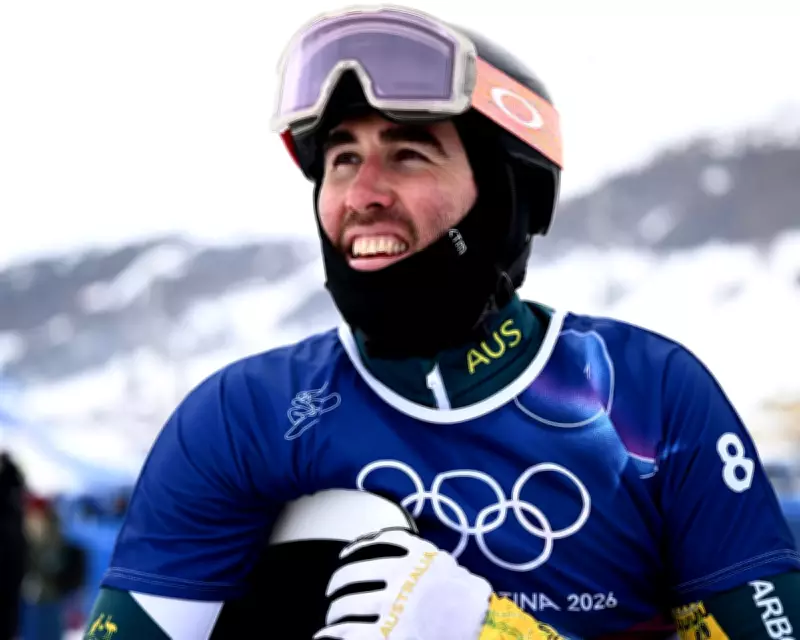
Cam Bolton's Devastating Injury at the 2026 Winter Olympics
In a shocking turn of events at the 2026 Winter Olympics, snowboarder Cam Bolton sustained a severe broken neck during a high-stakes competition. The incident, which occurred while Bolton was performing a complex aerial manoeuvre, has sent ripples through the sporting community, raising urgent questions about athlete safety in extreme winter sports.
The Moment of Impact and Immediate Aftermath
During a crucial run in the snowboarding finals, Bolton attempted a daring trick that went awry, resulting in a hard landing on his neck. Medical teams rushed to the scene, where initial assessments confirmed a broken neck, a life-altering injury that threatened not only his Olympic dreams but also his long-term health. Bolton was swiftly transported to a nearby hospital for emergency treatment, where he underwent surgery to stabilise his cervical spine.
Recovery and Resilience: Bolton's Journey Forward
Despite the gravity of his injury, Bolton has shown remarkable resilience in his recovery process. Doctors report that the surgery was successful, and he is now in stable condition, though he faces a lengthy rehabilitation period. In a statement released by his team, Bolton expressed gratitude for the medical support and vowed to focus on his health, while also acknowledging the inherent risks of snowboarding at an elite level.

This incident underscores the extreme dangers athletes face in pursuit of Olympic glory, particularly in sports like snowboarding that involve high speeds and complex acrobatics. It has sparked renewed discussions among sports governing bodies about enhancing safety protocols, including better equipment standards and more rigorous training for emergency responses at events.
Broader Implications for Winter Sports Safety
The fallout from Bolton's injury extends beyond his personal ordeal, prompting a wider examination of safety measures in winter sports. Key points include:
- Increased scrutiny on trick difficulty and landing zones to prevent similar accidents.
- Calls for mandatory advanced medical facilities at all major snowboarding competitions.
- Debates over whether current protective gear, such as helmets and neck braces, is sufficient for elite athletes.
As Bolton begins his recovery, his story serves as a poignant reminder of the sacrifices and risks inherent in competitive sports. The 2026 Winter Olympics will likely be remembered not just for athletic achievements, but also for this sobering moment that highlighted the fine line between triumph and tragedy on the snow-covered slopes.