FIA Confirms F1 Rule Changes to Address Driver Concerns and Safety Issues
FIA Confirms F1 Rule Changes for Safety and Driver Concerns

FIA Confirms F1 Rule Changes in Response to Driver Unhappiness and Safety Fears

The FIA has officially confirmed a series of rule changes for the ongoing Formula One season, as the sport reacts to widespread driver dissatisfaction and mounting safety concerns linked to the new regulations introduced this year. These adapted rules specifically address the controversial energy management issues that have dominated discussions across the opening three races of the season.

Collaborative Decision-Making Process

Technical and sporting considerations were thoroughly debated in two separate meetings since the last round in Japan. On Monday, senior representatives, including the FIA, team principals and their chief executives, power unit manufacturers, and F1's chief executive, Stefano Domenicali, formally agreed to the changes. The adjustments remain subject to ratification by the world motorsport council, a formality expected to be completed before the next round in Miami on May 3.

Driver Discontent and Safety Implications

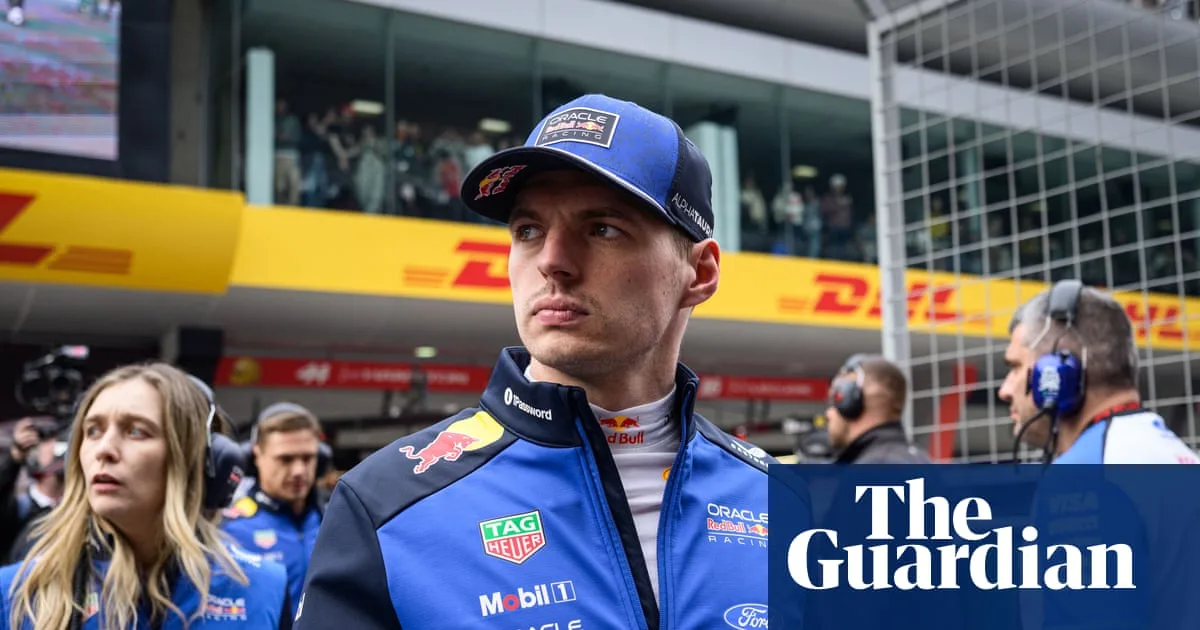
There has been significant disquiet among many drivers regarding the role of energy management in the sport, with an almost 50-50 split between power from the combustion engine and electrical energy. The deployment and recharging of electrical energy have come to dominate how drivers approach a lap, leading to frustrations that affect racing dynamics. Four-time champion Max Verstappen has been among the most vocal critics, expressing such unhappiness that he is reportedly considering his future in F1.

Wide Pickt banner — collaborative shopping lists app for Telegram, phone mockup with grocery list

Safety concerns have also been sharply highlighted by these energy management requirements. For instance, Oliver Bearman experienced an accident at Suzuka due to differing closing speeds of cars managing electrical energy in alternate modes at the same point on the track. This incident concentrated minds on the urgent need for regulatory adjustments.

Key Rule Adjustments

The rule changes agreed upon are focused on refining the use of electrical energy, rather than a sweeping rewrite of existing regulations. Key adjustments include:

  • In qualifying, the limit in recharge over a lap has been decreased from eight megajoules to seven, aiming to allow drivers to run a lap flat out without relying on tactical energy recovery.
  • The unpopular process of lift and coast, where drivers come off the throttle due to a lack of electrical energy, has been addressed. The recharge limit has been increased from 250kW to 350kW when super clipping, the process of recovering energy at full throttle. This change is expected to eliminate the need for lift and coast at the end of straights.
  • To mitigate closing speeds, a serious safety concern, the maximum boost power has been capped at 150kW to prevent cars from approaching one another at high speeds in unexpected areas.

Enhanced Safety Protocols

Additional safety measures have been introduced, including warning lights for cars that are slow to move off during race starts. Further technical changes around starts will be evaluated at the upcoming Miami Grand Prix. Moreover, the amount of power available through energy recovery systems will be adjusted during wet races to ensure cars can be driven safely in challenging conditions.

Statements from FIA and Team Principals

On Sunday, FIA president Mohammed Ben Sulayem described the engagement with drivers as "constructive and collaborative" and expressed satisfaction that all parties had reached an agreement. He stated, "Safety and sporting fairness remain the FIA's highest priorities. These changes have been introduced to address the issues identified in the opening events and to ensure the continued integrity and quality of the competition. All parties have remained fully committed to acting in the best interests of F1. More than ever, the drivers have been at the heart of these discussions, and I would like to thank them for their valuable input throughout this process."

Pickt after-article banner — collaborative shopping lists app with family illustration

Before the meeting, Mercedes team principal Toto Wolff expressed confidence that F1 would find a constructive way forward, advocating for an approach using a "scalpel rather than a baseball bat." He added, "The discussions that have been taking place between the group of drivers, the FIA, Formula One, and the teams have been constructive, and we all share the same objectives. It's how can we improve the product, make it out-and-out racing, and look at what can improve in terms of safety, but act with a scalpel and not with a baseball bat. We are coming to good solutions that we are going to ratify hopefully today, in order to evolve, because it's only three races in."