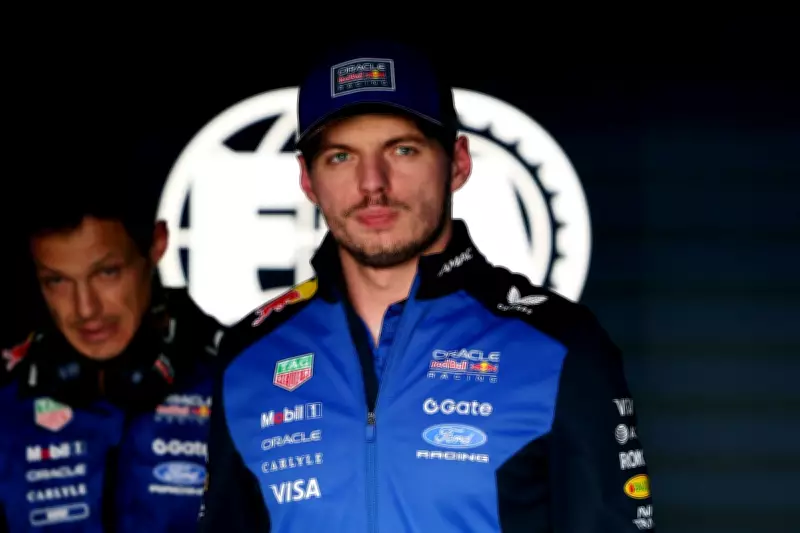
F1 Responds to Driver Pressure with Swift Rule Adjustments
In a significant move, Formula One authorities have agreed to implement immediate rule changes following intense criticism from drivers and fans, with four-time world champion Max Verstappen being particularly vocal. These modifications, described as tweaks rather than comprehensive reforms, are scheduled to debut at the upcoming Miami Grand Prix on 3 May.
Key Technical Modifications Unveiled
The adjustments focus on enhancing performance and addressing safety concerns. Key changes include:
- Reducing energy harvesting from eight to seven megajoules.
- Increasing the hybrid power unit's output from 250kw to 350kw, allowing drivers to push harder during races.
These technical tweaks aim to balance competitive racing with improved vehicle dynamics, responding directly to driver feedback about limitations under current regulations.

Safety-Driven Adjustments Following High-Speed Crash
Safety considerations have played a crucial role in these changes, partly prompted by British driver Ollie Bearman's 191mph crash. To mitigate risks, F1 has implemented:
- Capping the boost button at 150kw.
- Adjusting MGU-K settings to enhance control and stability.
These measures are designed to prevent similar high-speed incidents and ensure driver safety remains a top priority.
Ongoing Discussions and Future Implications
F1 chiefs have acknowledged that these initial changes may not fully address all driver concerns. Further discussions are anticipated after the Miami race, with potential for additional adjustments based on performance data and feedback. The sport's leadership emphasizes that this is a responsive step to ongoing dialogue with competitors, particularly following Verstappen's public criticisms of current rules.
The rule changes represent a collaborative effort between F1 management, teams, and drivers to refine the sport's regulations. By introducing these modifications swiftly, F1 aims to enhance racing excitement while maintaining safety standards, setting a precedent for adaptive governance in motorsport.