F1 Makes Major Decision to Cancel Bahrain and Saudi Arabian Grand Prix Races
The Bahrain Grand Prix, originally scheduled for 12 April 2026, and the Saudi Arabian Grand Prix, set for 19 April 2026, have both been officially cancelled by Formula One. This significant announcement comes amid heightened tensions and security concerns in the Middle East region, with both countries experiencing recent attacks.
Security Concerns Prompt Unprecedented Cancellation
Formula One's decision to cancel these two high-profile races follows a series of security incidents in the region. Bahrain's capital, Manama, has been targeted by Iranian missile attacks, while locations in Saudi Arabia have also faced similar threats. According to the state-owned Bahrain News Agency, just days before the announcement, 32 people were injured near Manama following an Iranian drone attack.
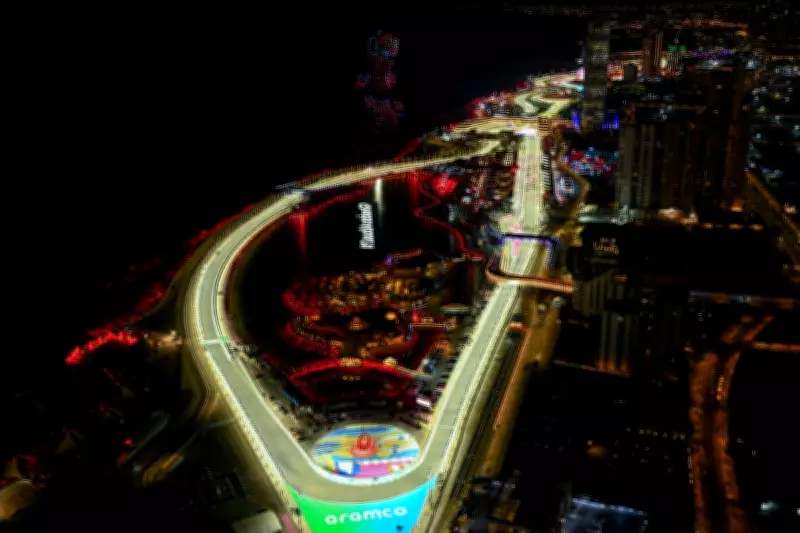
The races were scheduled to take place at the Sakhir circuit, approximately 30km south of Manama, and the Jeddah circuit in Saudi Arabia. With less than a month remaining before these events, Formula One confirmed the cancellations just hours before the Chinese Grand Prix.

Official Statements from F1 Leadership
Formula One President and CEO Stefano Domenicali addressed the difficult decision, stating: "While this was a difficult decision to take, it is unfortunately the right one at this stage considering the current situation in the Middle East. We cannot wait to be back with them as soon as the circumstances allow us to do so."
FIA President Mohammed Ben Sulayem added: "The FIA will always place the safety and well-being of our community and colleagues first. After careful consideration, we have taken this decision with that responsibility firmly in mind."
Calendar Impact and Replacement Challenges
The cancellation creates a substantial five-week gap in the 2026 Formula One calendar between the Japanese Grand Prix on 29 March and the Miami Grand Prix on 3 May. While there had been speculation about potential replacement races at venues such as:
- Italy's Imola circuit
- Turkey's Istanbul Park
- Portugal's Portimao circuit
Formula One has confirmed that no substitutions will be made in April. The logistical challenges of relocating entire racing operations on such short notice proved insurmountable, despite the considerable lead time that would normally be required for such complex arrangements.
Financial Implications for Formula One
The financial impact of these cancellations is substantial, with Formula One potentially facing losses estimated at approximately £100 million. Both Middle Eastern races represent significant revenue sources:
- Saudi Arabia pays an estimated £55 million ($72 million) hosting fee, matching Qatar as the highest-paying venue
- Bahrain contributes approximately £45 million ($60 million) for hosting rights
These races hold particular importance beyond their financial contributions. Bahrain owns the McLaren racing team, while Saudi Arabia maintains strong ties to the sport through state-owned oil company Aramco, which serves as a prominent sponsor and investor.
Historical Precedent and Future Possibilities
This situation echoes the 2011 Bahrain Grand Prix cancellation, which was also prompted by regional unrest and was never rescheduled after teams objected to a proposed late October date. Interestingly, Bahrain paid its hosting fee despite that cancellation, though it remains uncertain whether similar arrangements will be made for the 2026 events.
While the door remains theoretically open for potential rescheduling later in the year, significant obstacles exist:

- Extreme summer and autumn temperatures in the Middle East make racing impractical
- The existing calendar offers no obvious alternative slots without disrupting the August break
- Promoters would face limited time to organize security, marshals, and transportation
- Ticket sales would be challenging with such short notice
Although Formula One successfully managed behind-closed-doors events and double-headers during the COVID-19 pandemic, the current circumstances differ significantly. The reduced 22-race calendar, while still extensive by historical standards, should fulfill commercial obligations despite the anticipated revenue reduction.
The cancellation of these two prominent races represents one of the most significant calendar disruptions in recent Formula One history, highlighting the complex interplay between global sporting events and regional geopolitical realities.