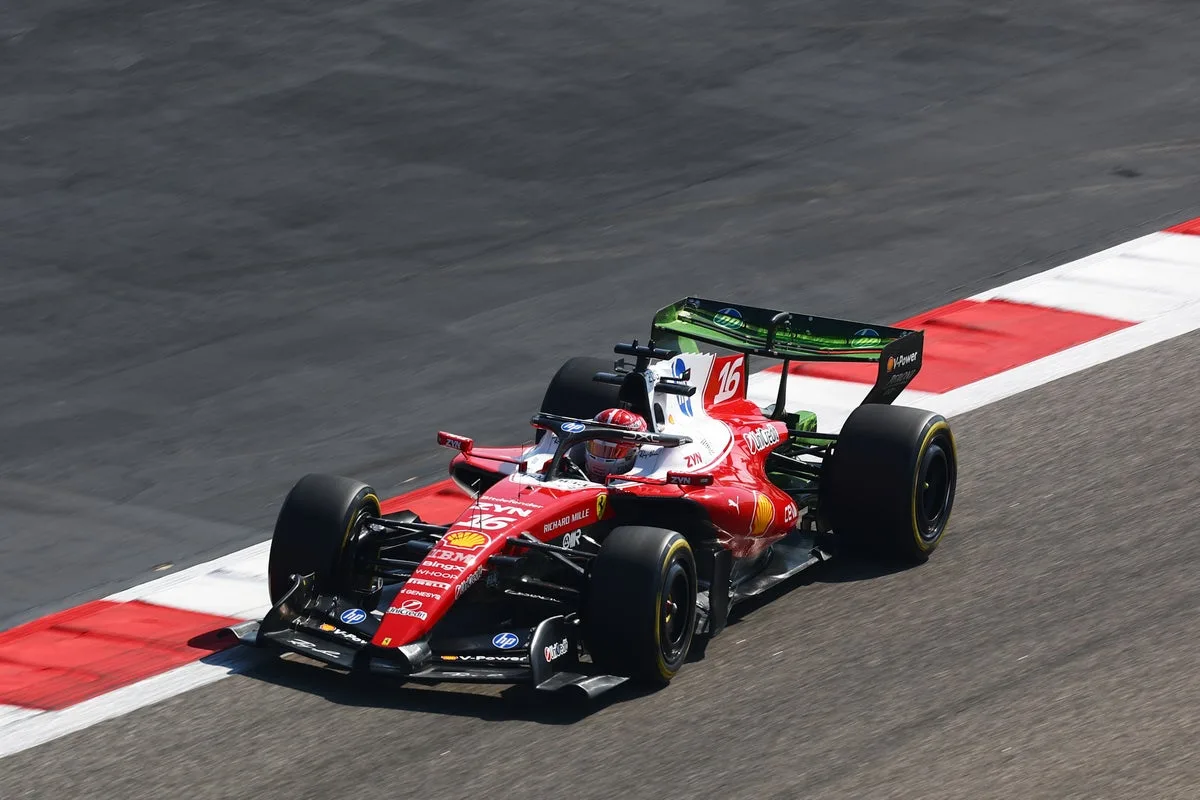
The 2026 Formula 1 season introduces a major overhaul of technical regulations, including the replacement of the Drag Reduction System (DRS) with a new 'overtake mode'. The system, which has been in use since 2011, will be phased out in favour of a hybrid power boost designed to aid overtaking.
Overtake mode works by deploying extra electrical energy from the Energy Recovery System (ERS). Any driver within one second of the car ahead can use the boost, which can be deployed all at once or spread over a lap. Unlike DRS, overtake mode is not limited to specific zones and can be used both offensively and defensively.
Active aerodynamics are also being introduced, with front and rear wings that adjust automatically. In 'X mode' (straights), the wings open to reduce drag and increase speed; in 'Z mode' (corners), they close to maximise downforce. This change aims to improve grip and following ability, addressing criticisms of the previous ground-effect cars.
The power unit sees significant changes: the MGU-H has been removed, and the hybrid system now contributes nearly 50% of total power—a near 300% increase in electrical output. Cars will be 30kg lighter, 20cm shorter, and 10cm narrower, running on 100% sustainable fuel as part of F1's net-zero target by 2030.
Concerns remain that drivers may need to 'lift and coast' on straights to recover energy, potentially affecting racing spectacle. The new regulations take effect from the season-opening Australian Grand Prix on 8 March 2026.