Cycling with Kids: A Guide to Safe and Fun Family Bike Adventures
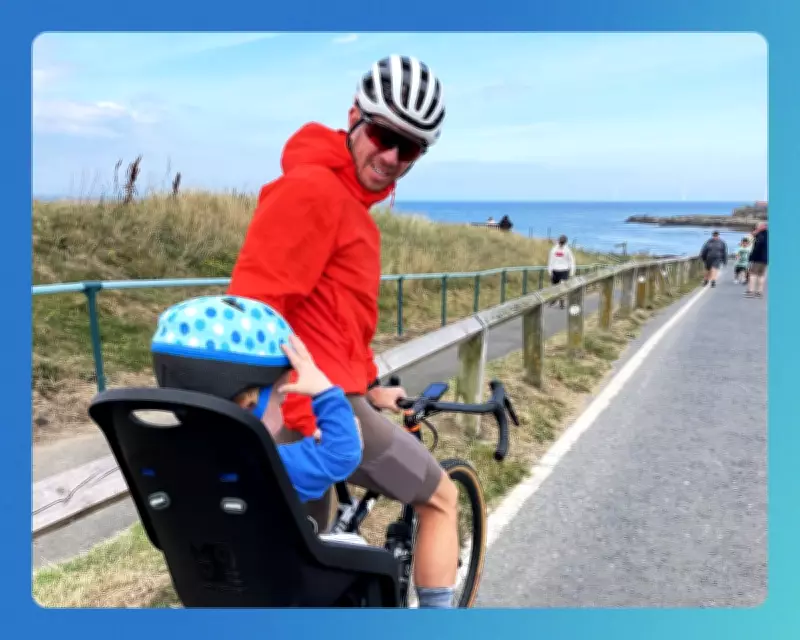
Parents who pedal are keeping family traditions alive, as seen with Paddy Maddison biking with his son, continuing a legacy from his grandparents. Transporting children by bike is not only enjoyable and practical but also environmentally friendly. This guide explores how to get started, covering various setups and essential gear for safe outings.
Family Cycling Traditions and Safety Considerations
In many families, strapping children to bicycles is a cherished practice. Paddy Maddison recalls his grandparents using a wooden trailer, and now he's passing on the tradition with his son. Safety is a paramount concern, with research from Germany showing that each method—trailers, bike seats, and cargo bikes—has its own risks. For instance, trailers may expose children to more pollution, while bike seats increase fall injury risks. The choice often depends on riding conditions and personal comfort.
Experts like Duncan Jagger from Cycling UK and Adam Tranter, former West Midlands cycling commissioner, emphasize that there's no one-size-fits-all safest option. It's crucial to assess factors like where you ride and what feels most secure for your family.

Types of Child Bike Setups
Frame-Mounted Seats: These clamp onto the bike's seat tube, offering ease of use and some suspension. Ideal for short trips like school runs, they can impede pedaling on longer rides and may damage frames, especially carbon-fibre ones. Adam Tranter notes they can make bike handling twitchy due to added rear weight.
Rack-Mounted Seats: Attached to a pannier rack, these provide stability but require a rack and add weight that affects handling. Duncan Jagger highlights their secure fittings, giving parents peace of mind.
Front-Mounted Seats: Placing children on the top tube offers a front-row view and minimal obstruction. However, as kids grow, they can become cramped and obstruct the rider's view, with risks of helmet collisions on bumps.
Trailers: Covered options like the Thule Chariot Cross 2 are great for poor weather and longer journeys, with storage compartments. Downsides include a bumpy ride and visibility issues, often mitigated with hi-vis flags.
Tag-Alongs: For kids too big for seats but not ready to ride alone, these attach to adult bikes. They build confidence but can feel unbalanced, especially if children stand while cycling.
Cargo Bikes: Electric models like the Trek Fetch+ are car replacements, designed to carry multiple children and cargo with ease. They require space and investment but offer versatility, as praised by Adam Tranter.
Essential Gear for Family Cycling
Helmets: While optional in the UK for adults, helmets are vital for children to reduce injury risks. Options like the Abus Youn-I 2.0 provide comfort and visibility with LED lights.
Lights: Bright lights, such as the Knog Plus set, enhance visibility in all conditions, with clip designs for easy mounting on various setups.
Visibility Aids: Hi-vis flags are crucial for trailers and tag-alongs to alert motorists to low-riding children.
Balance Bikes: From age two, balance bikes help kids develop skills and confidence, with affordable options like those from Decathlon.
By choosing the right setup and gear, families can enjoy safe and memorable bike adventures, fostering a love for cycling across generations.