The World Cup semi-finals bring a unique psychological weight, as the remaining teams contend not only with their opponents but also with the ghosts of their own pasts. Spain, France, Argentina, and England all carry historical baggage that could influence their performances in these high-stakes matches.
Spain's Semi-Final History and French Rivalry
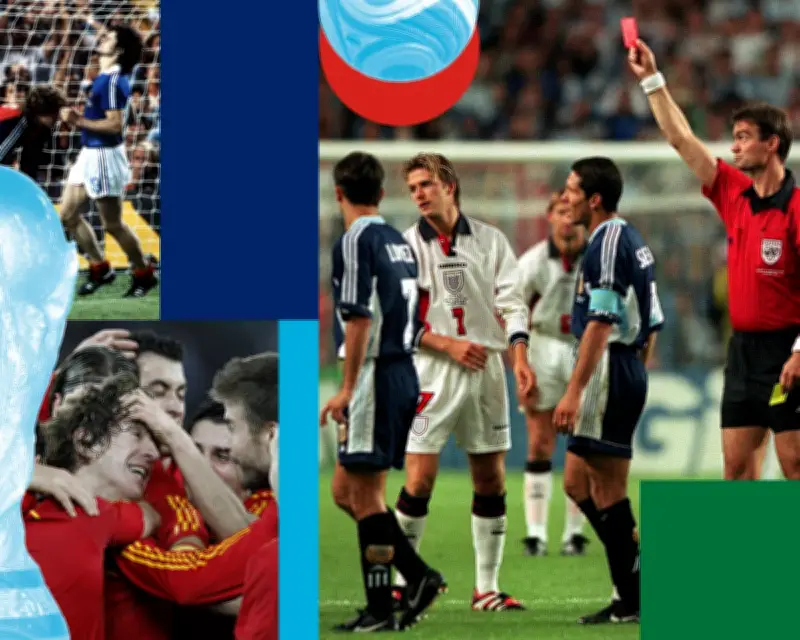
Spain have reached only one World Cup semi-final before, a 1-0 victory over Germany in 2010, sealed by Carles Puyol's 73rd-minute header. That triumph marked a departure from their long history of underachievement before Euro 2008. They have excelled in the latter stages of tournaments, winning five of six major finals they have contested. However, the one final they lost, in 1984, was to France, their opponents in Tuesday's semi. France also eliminated Spain in a memorable Euro 2000 quarter-final, when Raúl missed a late penalty that would have leveled the score at 2-2.
France's Semi-Final Demons
France have their own semi-final traumas, most notably the 1982 match against West Germany in Seville, widely considered the most traumatic night in French football history. With the score at 1-1, France substitute Patrick Battiston suffered a horrendous unpunished foul by West Germany goalkeeper Toni Schumacher, leaving him unconscious with a broken jaw, three broken ribs, and two lost teeth. France led 3-1 in extra time but, effectively a man down, conceded two goals and lost in the World Cup's first penalty shootout. They lost again to West Germany in the 1986 semi-final. Three consecutive semi-final successes since then have eased anxieties, but the nature of demons is that they can resurface unbidden.
England vs Argentina: A Historic Rivalry
The history between England and Argentina is even more fraught. Their encounters span from Bobby Charlton's goal in 1962 to Antonio Rattín's sending off in 1966, the 'Hand of God' in 1986, David Beckham's red card in 1998, and Michael Owen's controversial penalty in 2002. They have not met since a 2005 friendly in Geneva, a remarkable match where Juan Román Riquelme inspired Argentina to a late lead, only for Owen to score twice in the final five minutes to secure an English victory. Memories of 1998 and 2002 were still fresh then. Two decades later, with many Argentinians in the Premier League and the Falklands conflict and 'Hand of God' receding into history, the animosity may have lessened, but the rivalry runs deep. Their first meeting in 1951 was framed in Argentina as pupils taking on the master, a dynamic that still lingers.
England's Own Semi-Final Woes
England also carry their own semi-final traumas, from the penalty shootout defeat to West Germany at Italia '90 to the collapse against Croatia in 2018. In this tournament, they have partially exorcised the 'Hand of God' by winning at the Azteca. The next step would be to beat Argentina in a knockout game.
The scarcity of World Cup games amplifies their significance. England have played only 79 World Cup matches in 76 years, fewer than two Premier League seasons. These games draw enormous audiences—over 17 million in the UK watched their win over Norway, despite a midnight finish. World Cup matches are more discussed and analyzed than any other sporting event, becoming cultural touchstones that can define careers and national narratives.