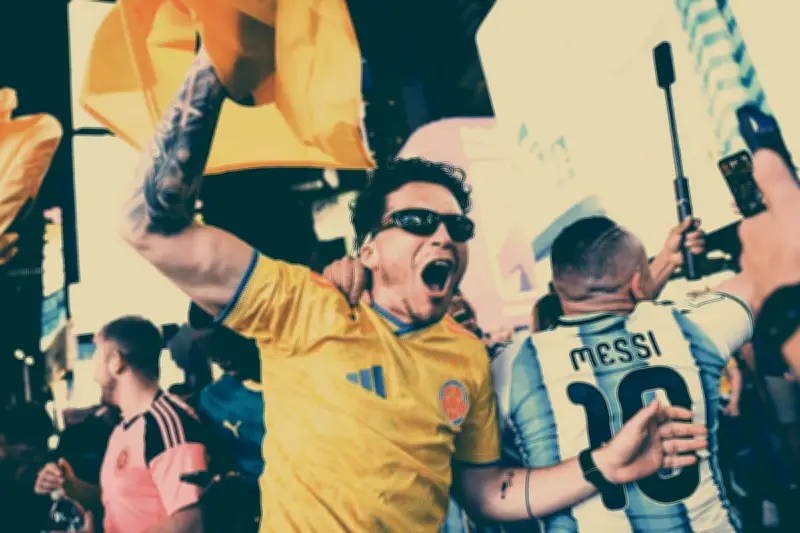
Fans reacted with visible emotion while watching Fifa World Cup 2026 matches in Times Square on 16 July 2026 in New York City, as captured by photographer Hannah Peters. The scene, set against the iconic backdrop, underscores a broader phenomenon: major sporting events can temporarily bridge divides and foster a sense of togetherness, even in a polarized world.
The Tartan Army Takes Boston
Earlier this month, the Scottish national team visited Boston for a World Cup match. The encounter between the kilted athletes and their exuberant fans—known as the Tartan Army—and the stereotypically reserved Bostonians turned into a remarkable display of cross-cultural warmth. Sam Kennedy, president of the Boston Red Sox, described the event at Fenway Park on June 14 as unforgettable. In a letter to Scotland's team leadership, he wrote: "We knew the Tartan Army was coming. We did not fully understand what that meant until we saw it."
Kennedy recounted how hundreds of Scotland supporters gathered at the statue of poet Robert Burns, marched to the ballpark to the sound of bagpipes, and were cheered by locals. He called it "one of the most moving things we have witnessed at Fenway Park in a very long time." The local NBC affiliate reported that the Scots "marched through Boston, attended a Red Sox game, played the bagpipes, tried out the city's viral cop slide, put traffic cones on statues, made friends, cheered as Mayor Michelle Wu signed a sister city partnership with Glasgow, and drank a lot of beer."
Healing Through Joy
The Boston Globe ran an article titled "The Tartan Army's joy and awe are healing us." A Boston-area resident texted columnist Margaret Sullivan: "Amazing, really. So glad I experienced it!" The generosity of spirit between visitors and locals highlighted how sports can create temporary but powerful bonds.
New York Knicks Championship Unites City
In New York City, where residents typically keep to themselves, the New York Knicks' NBA championship—their first in over five decades—brought diverse crowds together. Huge watch parties across all boroughs and a victory parade fostered a sense of joyful unity in bodegas, workplaces, and even on the subway. The New York Times noted in its morning newsletter: "In this transformed city, previously forbidding strangers are transformed into fellow fans." Writer Melissa Kirsch referenced anthropologist Victor Turner's concept of "communitas," describing the Knicks as providing "a rare pathway to intimacy."
Buffalo Sabres Crowd Saves Canadian Anthem
During a playoff game between the Buffalo Sabres and the Boston Bruins, a heartwarming moment occurred when singer Cami Clune's microphone cut out during the Canadian national anthem. The mostly American crowd spontaneously took over, singing a rousing, word-perfect version of "O Canada" that ended with the crowd erupting in cheers. The viral episode offered comfort to Canadians feeling threatened by US political rhetoric. Linda Arcand, a Canadian fan, told Buffalo's WKBW: "I cried. I couldn't believe they were doing that. It makes me teary now."
Fleeting but Powerful
These moments—whether featuring bagpipes, faulty mics, or rowdy watch parties—provide a different kind of "thrill of victory." Though temporary, they have the enduring power to crumble divisions and highlight the beauty of kinship, as Sullivan concludes. As the World Cup continues, such experiences remind us of our shared humanity.