A Lost Generation of Female Footballers: Reclaiming the Game
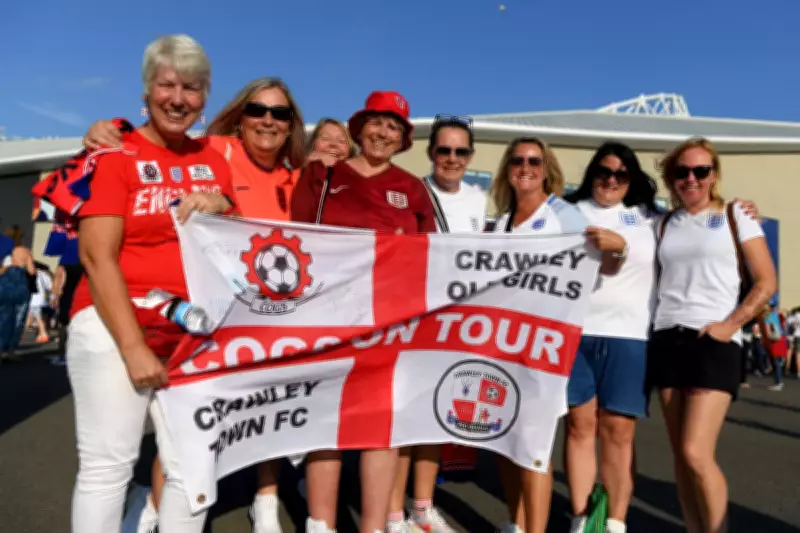
In 2015, Carol Bates founded the Crawley Old Girls, a football club specifically for women aged 25 to 80. This initiative was born out of a deep-seated need to address a significant gap in sports history—a generation of women who grew up loving football but had little to no opportunity to play. Bates herself is part of what she calls "the generation of women football missed," highlighting a poignant legacy of exclusion that stretches back decades.
The Historical Context and Modern Resurgence
The backdrop to this story includes a 50-year ban on women playing on FA-affiliated pitches from 1921 to 1971, a period that created a ripple effect of injustice. Girls in the 1970s, 80s, and 90s often found themselves sidelined, with schools typically directing them towards netball and hockey while boys were encouraged in football and rugby. There were few, if any, local teams for girls, forcing many to prove their worth in informal settings like playgrounds or parks.
Today, the landscape is shifting dramatically. According to FIFA's 2023 Member Association survey report, the number of women and girls playing organised football has surged by 24% since 2019, reaching over 16.6 million participants, with 3.9 million registered female players. FIFA's Women's Football Strategy 2024-27 aims to boost this figure to 60 million registered players by next year, a goal that underscores the growing momentum in the sport.

Personal Stories of Resilience and Empowerment
Many women from this lost generation have turned their experiences into positive action. For instance, Jo Treharne founded the Canterbury Old Bags, a club for women who discovered football later in life. These initiatives provide a supportive community where players can finally embrace the game they were denied in their youth.
One player shared a powerful moment: "When I first got in my kit aged 46, I started crying. I felt so empowered." This sentiment echoes across teams, where women in their 40s, 50s, and beyond are finding joy and camaraderie on the pitch. A teammate from New Zealand, who grew up in the 1970s, returned to football through coaching and eventually joined a team in her 50s, while another hadn't played for 35 years before rediscovering the sport.
Grassroots Growth and Global Impact
The grassroots scene is flourishing, driven in part by the popularity of national teams like England's Lionesses and Australia's Matildas. In Victoria, Australia, for example, there was a 14% growth in women's and girls' football participation in 2024-25, with 30,928 players engaged in outdoor, five-a-side, and social games. This growth reflects a broader trend of women reclaiming their place in football, often joining teams for those over 35 and playing competitively each week.
As these women share their stories, they reflect on the Three Lions chorus—"thirty years of hurt"—and reinterpret it for their own experiences. They are not just playing a game; they are healing old wounds and building a new legacy for future generations. Whether in the UK, Australia, or elsewhere, they are finally bringing football home, wherever that may be in the world.