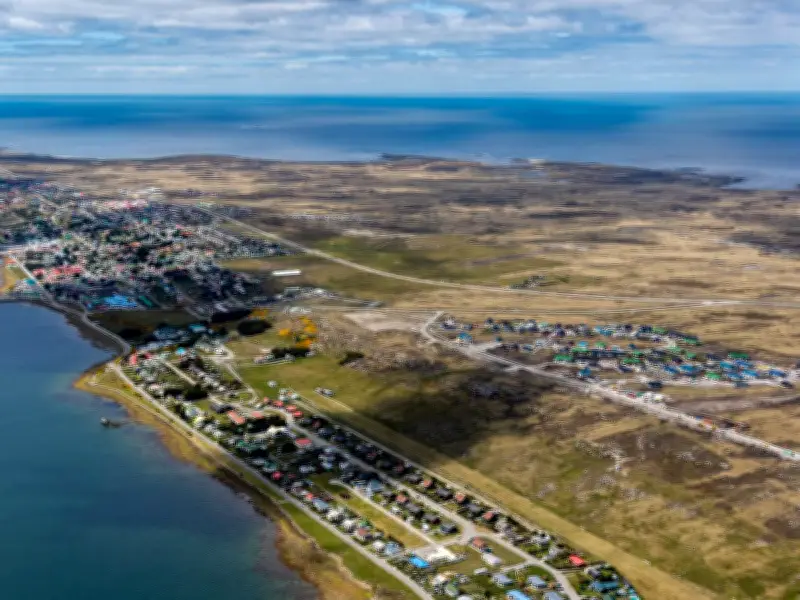
The Falklands War, a 74-day conflict in 1982, resulted in 649 Argentine deaths, 255 British military deaths, and three civilian fatalities on the Falkland Islands. The war's legacy fuels the intense rivalry between England and Argentina, set to clash in a World Cup semi-final on July 15, 2026, in Atlanta.
Origins of the Rivalry
The deep-seated rivalry between England and Argentina extends far beyond sport, with modern roots in the Falklands War. This brief but violent conflict over the disputed South Atlantic territory reshaped diplomatic ties, ensuring future sporting fixtures carried political and nationalistic weight.
Outbreak of the Falklands War
On April 2, 1982, Argentine troops invaded the Falkland Islands, a British overseas territory known to Argentina as the Malvinas. Prime Minister Margaret Thatcher quickly mobilised a naval task force to reclaim the islands via military action.
Brutal Reality of the Conflict
For 74 days, both sides fought fierce land, air, and sea battles in harsh weather. The conflict ended on June 14, 1982, when Argentine forces surrendered at Port Stanley, restoring British control.
Tragic Human Cost
The war caused catastrophic loss: 649 Argentine soldiers, 255 British personnel, and three Falkland civilians died. The sinking of the Argentine cruiser ARA General Belgrano claimed 323 Argentine sailors alone.
Footballing Rivalry
Political friction spilled onto the pitch in the 1986 World Cup quarter-final, where Diego Maradona's 'Hand of God' goal and solo run eliminated England. Later meetings included a tense 1998 penalty shootout win for Argentina and David Beckham's decisive penalty in England's 1-0 victory in 2002.
World Cup Semi-Final
England and Argentina now meet in a massive World Cup semi-final on Wednesday, July 15, 2026, at Atlanta Stadium, kick-off at 8pm UK time. The match is heavily anticipated and emotionally charged.