Wheelchair Racers Launch Record-Breaking Boston Marathon in Freezing Conditions
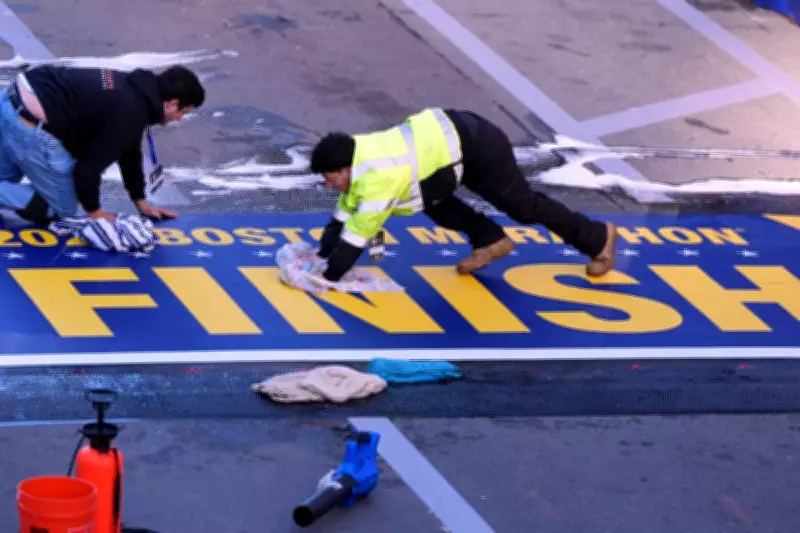
The 130th Boston Marathon commenced under frigid skies on Monday morning, with temperatures hovering in the 30s and frost coating the ground in Hopkinton. This chilly start, however, set the stage for what could be record-shattering performances from the fastest field in the event's storied history.
Historic Start with Wheelchair Athletes Leading the Way
Fifty wheelchair competitors were the first to cross the starting line, spearheading a massive contingent of more than 30,000 runners embarking on the grueling 26.2-mile (42.195-kilometer) journey to Copley Square in Boston's Back Bay. The cold conditions, while brisk, are anticipated to facilitate swift times, with a tailwind expected to aid athletes along the route.
Elite Runners Return for Potential Records
Notable contenders include Sharon Lokedi, who demolished the women's course record last year, and fellow Kenyan John Korir, aiming for another victory after posting the third-fastest men's time in Boston history. Their presence underscores the elite caliber of this year's participants.

Chilly Contrast to Historic 'Run for the Hoses'
The cool weather starkly contrasts with the 50th anniversary of the legendary "Run for the Hoses," when Jack Fultz triumphed in scorching temperatures nearing 100 degrees Fahrenheit (38 degrees Celsius). Fultz, serving as grand marshal this year, remarked that the current conditions are the "polar opposite" of his 1976 win, expressing awe at the experience.
Organizational Adjustments and New Statue Unveiled
Race organizers have implemented changes to enhance the runner experience, including consulting a crowd scientist to alleviate bottlenecks on the narrow streets traversing eight cities and towns. Additionally, a new statue by marathon pioneer Bobbi Gibb—the first on the course honoring a woman—was unveiled at the start, celebrating her groundbreaking contributions.
Coldest Start in Decades, but Enthusiasm Undimmed
Race Director Dave McGillivray noted that this is the coldest start he can recall in nearly four decades with the marathon. Despite the chill, participants like Staff Sgt. Mackenzie Smith and Spec. Benjamin De Boer of the Massachusetts National Guard, who began their run at 6 a.m., remained enthusiastic, calling it an "honor and a blessing" to partake in such a historic event.
Logistical Challenges and Ideal Running Conditions Ahead
The cold added complexity, as runners arrived bundled in layers to be discarded at the start line, requiring careful collection. However, McGillivray predicted that as the sun emerges, conditions will become ideal for running, potentially yielding unprecedented times in this iconic race.