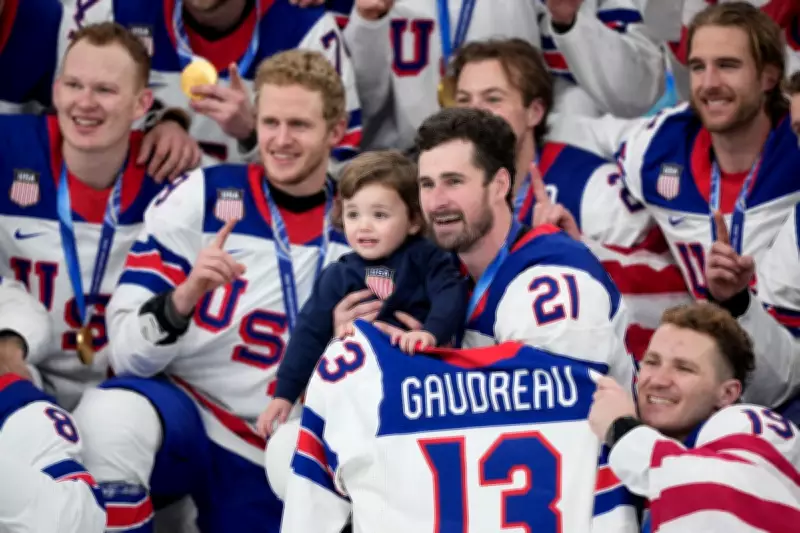
USA Claims Historic Olympic Ice Hockey Gold in Overtime Thriller
In a dramatic and emotionally charged final, the United States men's ice hockey team has ended a 46-year gold medal drought, defeating arch-rivals Canada 2-1 in overtime at the 2026 Winter Olympics. The victory, secured by Jack Hughes' goal just 101 seconds into the extra period, marks the first American triumph in the event since the legendary "Miracle on Ice" in 1980.
A Neighbourly Dispute Turns Golden
This bad-tempered clash between North American neighbours was settled when Hughes, whose brother Quinn was the quarter-final hero against Sweden, seized his moment to fire the puck past a stunned Canadian goaltender. The win was particularly sweet for the USA, having lost to Canada in the 2010 final via an overtime goal from Sidney Crosby.
Goaltender Connor Hellebuyck was the undeniable star of the show, repelling 41 of 42 Canadian shots in a performance that left the opposition "shattered and shell-shocked." Matt Boldy had given the US a first-period lead, which was cancelled out only when Cale Makar finally broke Hellebuyck's resolve late in regulation.

Emotional Tribute to a Fallen Star
Moments after the final buzzer, the victory took on profound emotional significance as Brady Tkachuk skated onto the ice holding the jersey of Johnny Gaudreau. The former NHL star, who would almost certainly have been part of this Olympic team, was tragically killed by a suspected drunk driver two years ago.
"This win is for him and them," said Tkachuk, referring to Gaudreau's family who were watching from the Milano Santaguila arena. Gaudreau's number 13 jersey had been hanging in the United States locker room throughout the tournament, serving as constant inspiration for the squad.
Political Puck and National Pride
The match quickly became more than just a sporting contest, with social media lighting up immediately after the final goal. The Canadian prime minister offered congratulations to the winners, followed seconds later by a chest-thumping, all-capitals post on Truth Social from south of the border.
Jack Hughes did not hold back when expressing what the victory meant to him and his teammates. "This is all about our country. I love the USA, I love our team-mates and I'm so proud to be American," he declared. "We didn't stop fighting, didn't stop believing. We're here because of Hellebuyck — he was our best player by a mile."
Canadian Heartbreak and Missed Opportunities
For Canada, the defeat represents their first loss in an Olympic gold medal match since 1994. The team was without talismanic captain Sidney Crosby, who failed a pre-skate fitness test after suffering a quarter-final injury against Czechia that will be debated for years in a country where hockey "just means more."
Nathan MacKinnon, Crosby's protégé who scored the late power-play winner in the semi-final, crucially missed a wide-open net to win the game in the third period — a chance he would normally convert 19 times out of 20 with his NHL team, the Colorado Avalanche.
"It was difficult not to play — it's not easy to watch," admitted Crosby. "We played an incredible game. We competed so hard and did so many things right. Just one important thing didn't go our way."
Strategic Masterstroke and Historical Significance
US coach Mike Sullivan followed in the footsteps of Herb Brooks, the architect of the 1980 Miracle on Ice, by making bold selection decisions. Sullivan left four of the NHL's top scorers at home to assemble a balanced and experienced roster that ultimately proved successful.
This victory secured the USA their first Olympic hockey double, following their 2–1 overtime win against Canada in the women's final earlier in the Games. It was the eighth time these bitter rivals had clashed in an Olympic final and the first American victory since 1960.
Looking to the Future
The triumph marks a significant moment for NHL players returning to Olympic competition after a 12-year absence due to disputes between the league, the International Ice Hockey Federation, and the NHL Players' Association.
"We're going to be back in 2030, I know that, and we want to win again — because this feels so good," added Hughes, already looking ahead to future Olympic campaigns.

While it may not have been another "Miracle on Ice," this victory carries profound significance for American hockey, combining sporting excellence with emotional tribute and national pride in a golden moment that will be remembered for generations.