US Women's Hockey Team Rejects Presidential Invitation Following Gold Medal Win
In a notable diplomatic snub, the United States women's ice hockey team has formally declined an invitation from President Donald Trump to attend the State of the Union address and celebrate their recent Winter Olympics gold medal triumph. This decision comes after the men's team accepted a similar offer, sparking controversy and mixed reactions across social media platforms.
Golden Success in Milan and Cortina
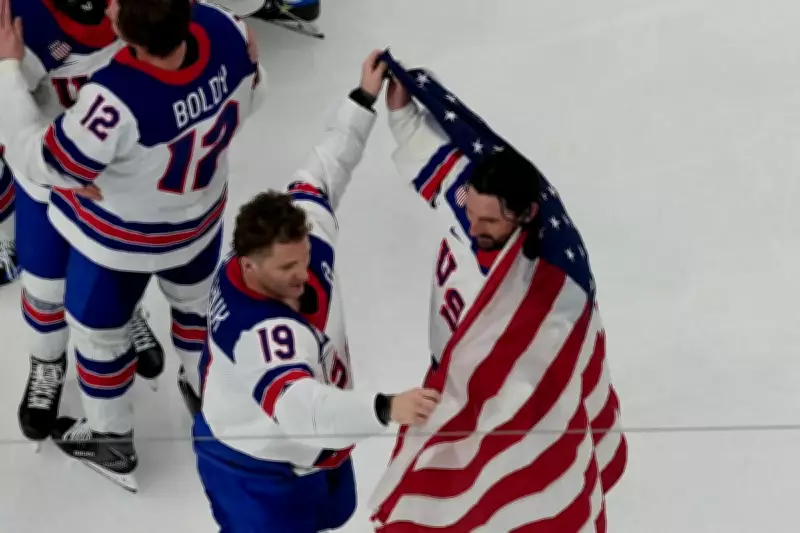
The 2026 Winter Olympics in Milan and Cortina proved to be a spectacular showcase for Team USA's ice hockey prowess. Both the men's and women's squads faced off against their perennial rivals, Canada, in fiercely contested matches. The women's team secured their gold medals first, setting the stage for a dramatic follow-up victory by the men's side shortly thereafter.
Following the men's triumph, President Trump personally called the team to offer his congratulations. During the conversation, which was broadcast on speakerphone in the locker room, Trump proposed sending a military aircraft to transport the athletes back to the United States so they could be honored at the upcoming State of the Union event.

Controversial Phone Call Sparks Backlash
The phone call took an awkward turn when Trump, in what observers described as a begrudging tone, mentioned that he would have to extend the same invitation to the women's team to avoid potential impeachment. This remark elicited laughter from some of the men's players, a reaction that was poorly received by fans and commentators on social media.
Many expressed disappointment, with one user writing, "So disappointing to see the US men’s hockey team’s true colours after seeing so many brave athletes stand up to this administration using their platform. Women’s hockey deserves better and the world deserves better." Another added, "And just like that I am no longer excited they won. How disappointing," highlighting the divisive nature of the incident.
Women's Team Clarifies Position
In response to the growing controversy, a spokesperson for USA Ice Hockey issued a statement clarifying the women's team's stance. "We are sincerely grateful for the invitation extended to our gold medal–winning U.S. Women's Hockey Team and deeply appreciate the recognition of their extraordinary achievement," the spokesperson said. "They were honoured to be included and are grateful for the acknowledgment."
The statement continued, "Due to the timing and previously scheduled academic and professional commitments following the Games, the athletes are unable to participate." This explanation underscores the logistical challenges faced by the athletes in balancing their post-Olympic obligations with the presidential invitation.
Behind the Scenes at the Olympics
Interestingly, there were initial rumors that President Trump might attend the final match in person, but he did not make an appearance. Instead, FBI Director Kash Patel was present at the victory celebration, even joining the players in the locker room for beers and festivities. It was Patel who facilitated the phone call with Trump, allowing the president to address the team directly.
During the call, Trump elaborated on his offer, saying, "I can send a military plane or something. If you would like to, it's the coolest night. We will do the White House the next day, we will just have some fun, we have medals for you guys." He then added, "I must tell you, we're gonna have to bring the women's team. I do believe I probably would be impeached," a comment that further fueled the subsequent backlash.
Broader Implications and Reactions
This incident highlights the ongoing tensions between sports, politics, and gender equality in the United States. The women's team's decision to prioritize their academic and professional commitments over a high-profile political event reflects a growing trend among athletes to maintain focus on their careers and personal goals. Meanwhile, the mixed reactions from fans underscore the polarized nature of contemporary political discourse, even in the realm of sports.

As the dust settles, the US women's ice hockey team's gold medal achievement remains a source of national pride, albeit now tinged with a layer of political controversy. Their stance serves as a reminder of the complex interplay between athletic excellence and the broader societal contexts in which these achievements are celebrated.