UEFA Referee Chief Issues Scathing VAR Critique
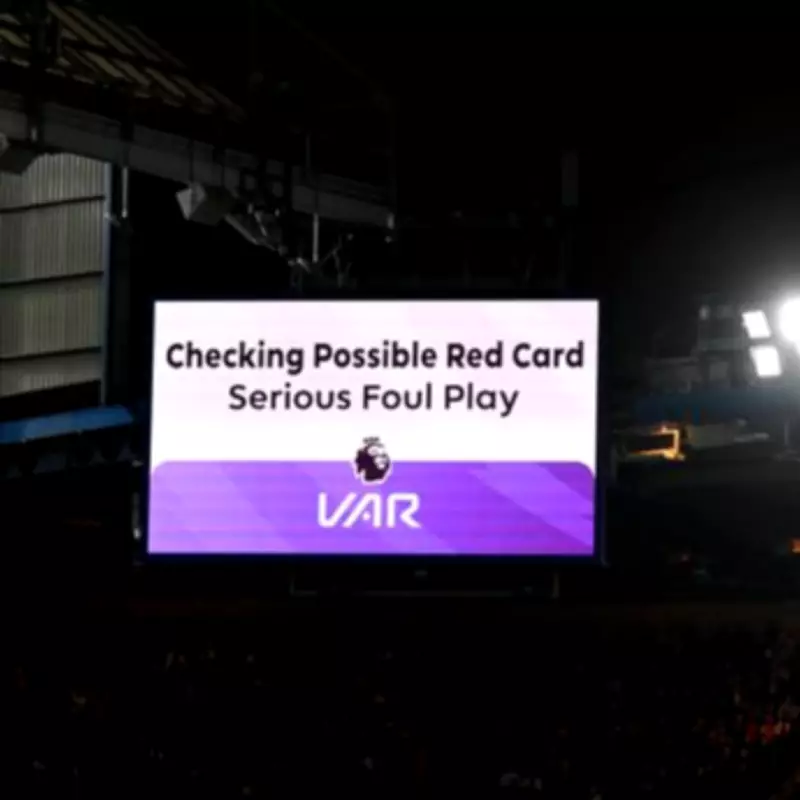
Roberto Rosetti, UEFA's Chief Refereeing Officer and a former World Cup referee, has delivered a damning assessment of video assistant referee technology, claiming football has "forgotten the reason why VAR was introduced." In a stark warning, he argues that "microscopic" VAR checks are endangering the essence of the sport.
VAR's Original Intent Lost in Overuse
Rosetti emphasised that VAR was initially designed to correct clear and obvious mistakes, particularly in factual decisions like offsides or goal-line incidents. He recalled launching VAR in London eight years ago, where discussions focused on minimising disruptions. However, he now believes the technology is being applied too broadly, leading to excessive interventions that slow down matches and frustrate fans.
"Technology works so well in objective decisions, but for interpretations, subjective evaluation is more difficult," Rosetti stated. "We cannot go in this direction of microscopic VAR intervention. We love football like it is."

Premier League Backlash and UEFA's Stance
The Premier League is facing significant backlash from supporters who are fed up with frequent VAR involvement, lengthy delays, and perceived inconsistencies among officials. While Rosetti was asked directly about the English top flight, he insisted on speaking generally, though he acknowledged the broader issue affects leagues worldwide.
UEFA data shows that VAR checks in the Champions League are more frequent than in the Premier League, where officials report just 0.15 on-pitch reviews per game, or 0.27 including factual decisions. Despite this, Rosetti warns that the trend toward overuse is universal and requires urgent discussion.
The Danger of Slow-Motion Analysis
Rosetti highlighted the problem of "moviola"—super slow-motion replays that can magnify minor incidents, leading to excessive scrutiny. "When you are watching the situation with the super slow motion, you can find a lot of things," he explained. He also pointed out that media and public pressure for more VAR interventions has contributed to the current predicament.
"You are guilty in some way, because also you pushed for more interventions," Rosetti remarked. "Where is VAR? Why VAR doesn't intervene? But now we need to be careful about that."
Calls for Reform and Future Meetings
To address these concerns, Rosetti advocates for post-season meetings to reassess VAR's implementation. He believes that by refocusing on its original purpose—correcting clear errors—football can preserve its flow and excitement. "It can improve by speaking—we need to meet and fix," he concluded, underscoring the need for collaborative action among governing bodies, referees, and stakeholders.
As debates over VAR intensify, Rosetti's comments signal a pivotal moment for football authorities to balance technological aid with the sport's inherent passion and unpredictability.