The American Baseball: A Journey from Reverence to Flight
In the vast tapestry of American culture, few objects hold as much symbolic weight as the baseball. It is a curious artifact, treated with the utmost care one moment and sent soaring into the heavens the next. This duality captures the essence of a national pastime that has woven itself into the fabric of generations.
A Personal Connection: The First Fastball
For many, the relationship with a baseball begins in childhood. I recall the pivotal moment in 1978, at the age of 10, when I first made my father flinch with a fastball. That day, my hand had finally grown large enough to influence the ball's trajectory, creating a sting that marked a rite of passage. My aging parent remarked, "I don't know how much longer I can catch these," though he would later deny saying anything of the sort until I was at least 14. This personal anecdote underscores how the baseball serves as a bridge between generations, a simple sphere that carries profound emotional weight.
The Baseball's Historical and Cultural Significance
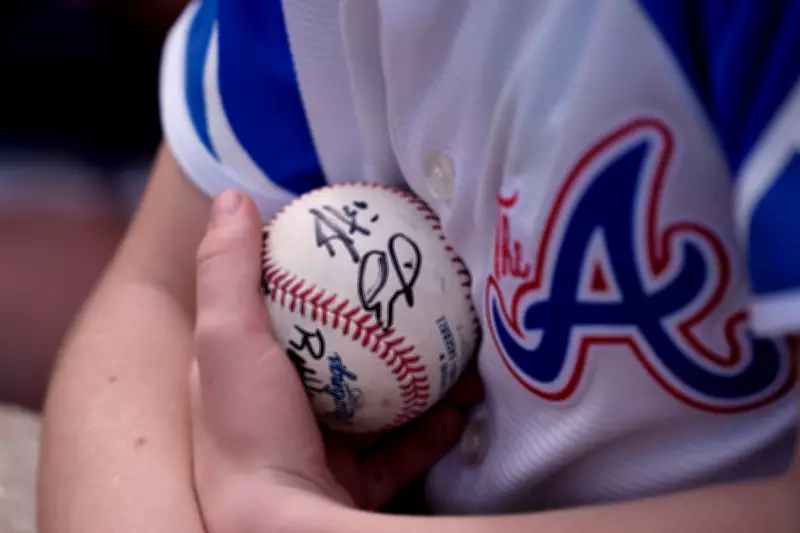
Since its coalescence in the latter half of the 19th century, countless children have held an American baseball, feeling its nubby stitches under their fingers while cradling the smooth white leather. The experience of swinging a bat—whether wooden, aluminum, or graphite—and connecting with a softer T-ball ignites a unique thrill of kinetic energy and possibility. In the pantheon of the national pastime, while bats and gloves are crucial, they remain the supporting cast. The ball itself is forever at the center, spinning, bobbing, and weaving through history. It has even been a matter of life and death, as seen in 1920 when a baseball tragically killed Ray Chapman. Today, dozens of balls are used in a single major-league game, each one emerging pristine from an umpire's pouch only to be cherished and then fiercely struck.

The Ball's Dual Nature: Cherished and Challenged
The baseball's journey on the field is a study in contrasts. It is held meticulously and lovingly by a pitcher, treated like a firstborn for a few precious seconds, before being delivered to an opponent who tries mightily to smack the bejeezus out of it. This cycle of reverence and violence highlights the ball's role as both a cherished object and a target of athletic prowess. One cannot help but feel for that little ball, enduring such extremes. When I moved overseas in 1979, an elderly man who had once interviewed Ted Williams, one of the game's greatest hitters, offered solace. Upon seeing my ball and glove, he said, "As long as you have a baseball, you're home." This sentiment resonates deeply, encapsulating how the baseball transcends mere sport to become a symbol of belonging and identity.
A Portable Piece of America
For many, including myself, the baseball remains a constant companion. I still pack one most everywhere I go, as it represents America encapsulated—burning a hole in my glove or jacket pocket, biding its time, ready for the next big game of catch. It is more than just a piece of equipment; it is a tangible link to memories, culture, and the simple joy of play. As part of the recurring series "American Objects", marking the 250th anniversary of the United States, this reflection on the baseball underscores its enduring place in the national consciousness. From its humble origins to its status as an icon, the baseball continues to spin stories of connection, challenge, and home.