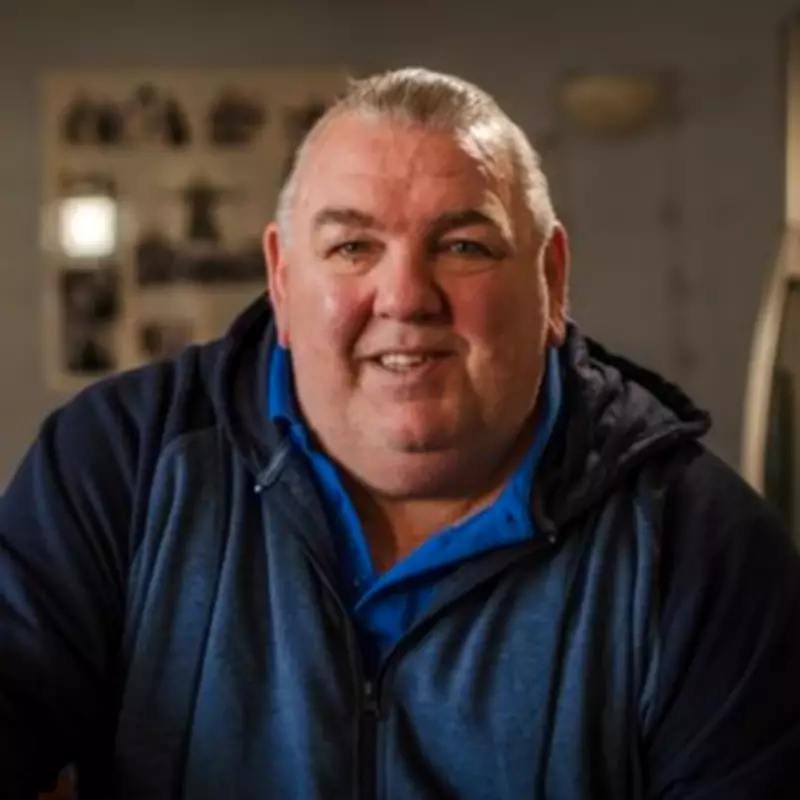
Football icon Neville Southall has launched a scathing critique of the honours system, insisting that awards like MBEs should go to carers and NHS staff rather than sports stars. The former Everton goalkeeper, who received an MBE himself, believes care home workers are grossly overlooked and undervalued despite performing essential, emotionally taxing roles for minimal pay.
Southall's Advocacy for Unsung Heroes
Now 67, Southall has dedicated his post-football career to social services in Wales, focusing on troubled youth, mental health advocacy, and marginalised communities. He expressed deep admiration for care home staff, family carers, and NHS employees, praising their mental strength and dedication in often thankless circumstances within a cash-strapped UK society.
"They Should Earn Far More"
Southall stated, "I hate when I see sportspeople get MBEs. I've had one. For me, they [care home staff] are the people that should be getting the awards. It's not for sports people." He highlighted the disparity, noting that while athletes can easily set up charities with their wealth, carers work tirelessly every day for meagre wages. "They should earn far more money than what they're earning. The way things are that's impossible," he added.

He argued that society tends to ignore these workers because their jobs aren't "trendy." "It's not trendy to go in and clean somebody up or get hit when the patients are frustrated. They cope with all of that with very little mental support," Southall explained. He emphasised that enjoying such work while being paid "peanuts" requires exceptional resilience, and these individuals handle patients and families with remarkable skill.
Parallels Between Football and Social Work
Southall draws comparisons between his football days and his current role with Blaenau Gwent County Borough Council, where he helps various community sectors overcome challenges. "Like football, you don't know what you're walking into every day. I like the unpredictability. To me it was a bit like football," he said. He described providing a safe space for youth who lacked support due to systemic issues like school league tables, empowering them to see a future for themselves.
In a Radio 4 interview, Southall noted that everyone, regardless of background, desires a better life and self-improvement. His advocacy underscores a broader call to recognise the real "people of the country"—those who perform vital, unseen work without the glamour of sports fame.