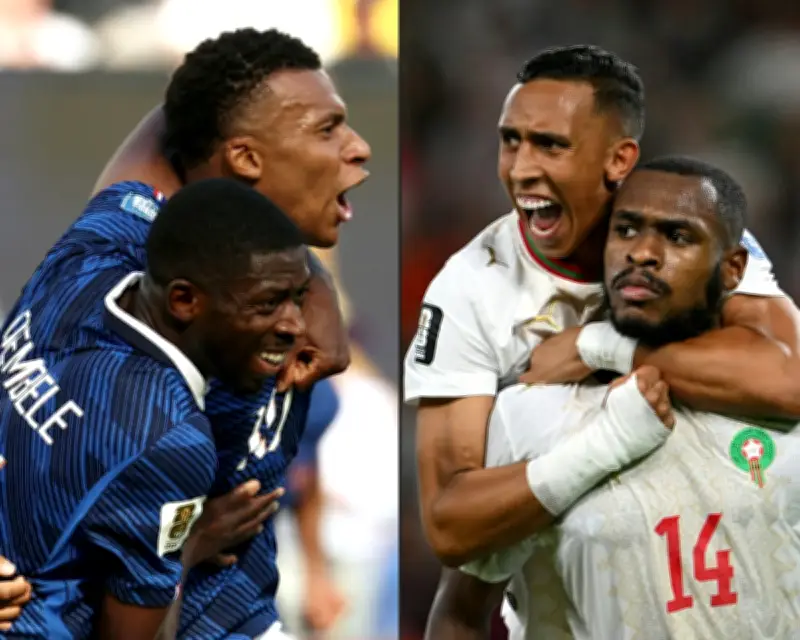
After 120 minutes of football, a coin toss might seem anticlimactic, but for fans in the stadium, it is a moment of high drama. Winning the coin toss for a penalty shootout allows a team to choose the end where penalties are taken, prompting cheers from supporters behind that goal. Another coin toss then determines which team kicks first or second. But does the order matter?
Traditional Belief vs. Recent Data
For years, the consensus held that going first in a shootout provides a mental advantage, allowing teams to take the lead and put scoreboard pressure on opponents. However, recent World Cup data challenges this notion. When Rubén Vargas scored the winning penalty for Switzerland against Colombia in their last-16 tie, it continued a striking trend: all four penalty shootouts at the 2023 Women's World Cup have been won by the team that went second.
While four shootouts is a small sample, the pattern extends further. According to tournament records, 13 of the past 15 shootouts at World Cups have been won by the team kicking second, an 86.7% success rate. The only exceptions were in the 2022 Men's World Cup, when Morocco eliminated Spain in the last 16 and Croatia beat Brazil in the quarter-finals—both won by the team going first.
Impact on Strategy
This data suggests that the perceived advantage of going first may be overstated. Coaches and players might reconsider their approach if given the choice. The psychological pressure of being second could actually work in a team's favor, as they have the opportunity to see the opponent's attempts and adjust their strategy accordingly.
As the tournament progresses, teams will be watching closely. Whether this trend continues or reverts to historical norms remains to be seen, but for now, the second team holds a clear edge in World Cup penalty shootouts.